FLASH: CEASEFIRE FRAGILE AMIDST REGIONAL FLARE-UPS
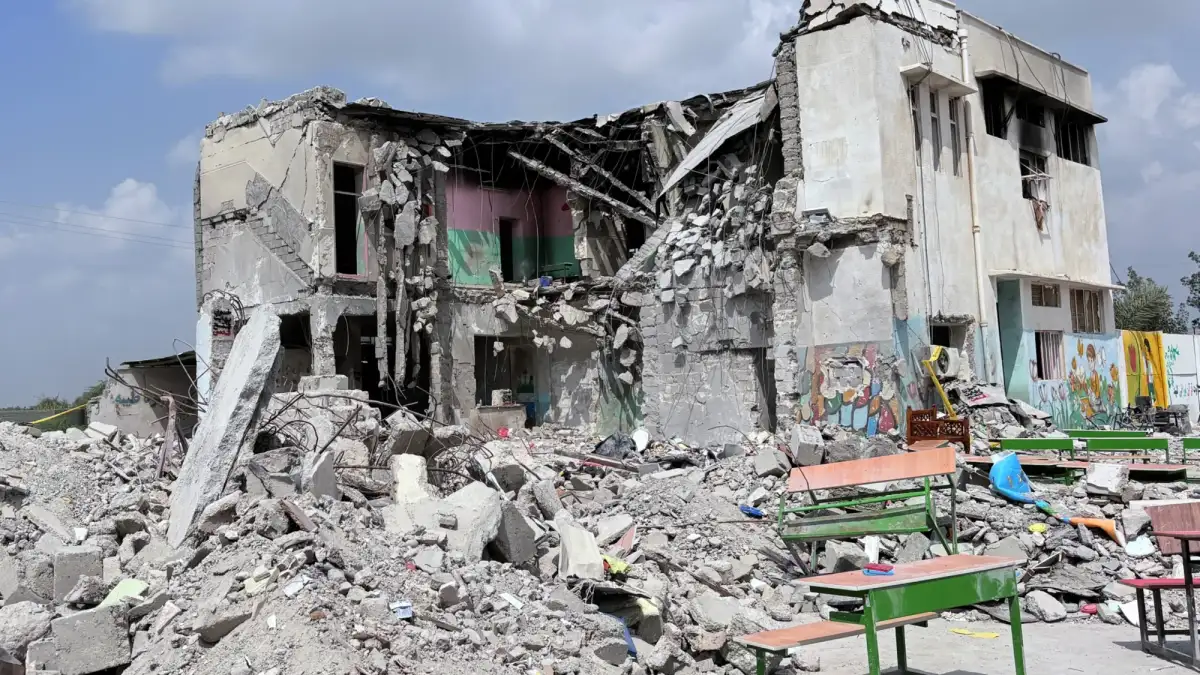
Tehran, Iran – April 8, 2026 – Forty days into a protracted conflict, a two-week ceasefire between the United States and Iran has been agreed upon, with diplomatic talks slated to commence in Pakistan on Friday. This development follows intense US-Israeli military operations against Iran, which reports suggest failed to achieve their initial objectives, prompting a shift towards negotiation. The agreement, however, is immediately challenged by Israeli strikes in Lebanon and ongoing Iranian actions, casting a shadow over its durability.
Despite the agreed-upon truce, the situation remains volatile. Reports indicate that Israel conducted extensive bombardments on Lebanon, resulting in the deaths of approximately 255 civilians and wounding over 1,165 others. This action was reportedly a response to Hezbollah rocket fire, which the group stated was in retaliation for Israeli ceasefire violations.
US PRESIDENT THREATENS ECONOMIC REPRISALS
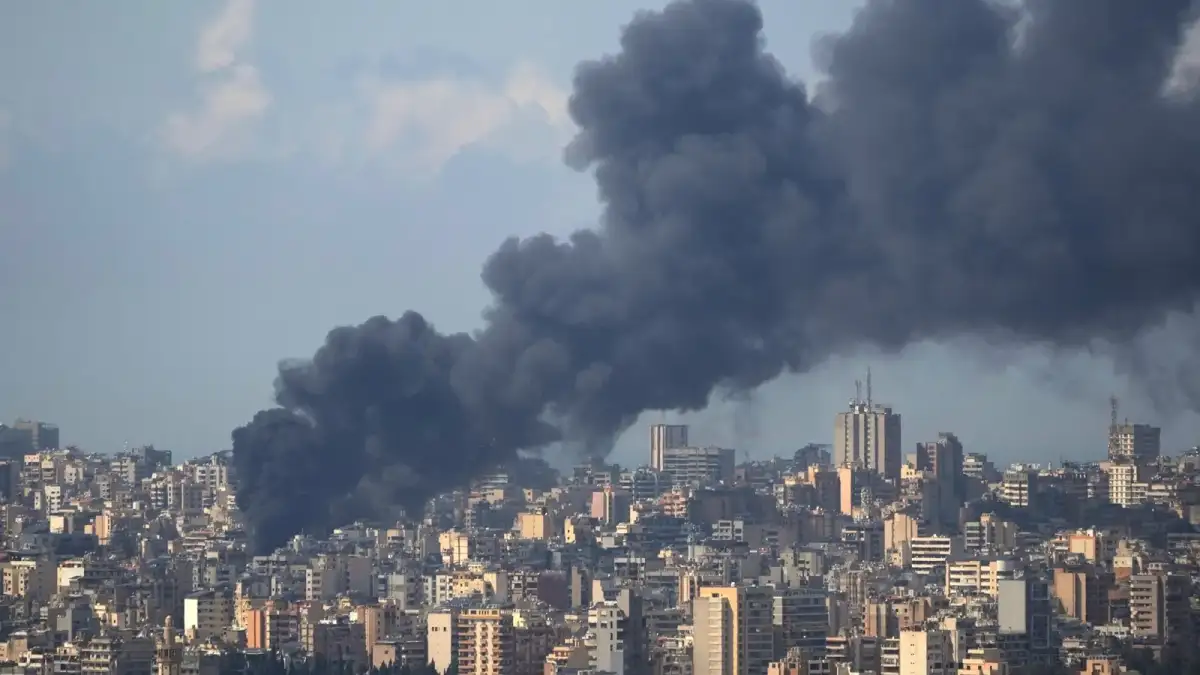
Simultaneously, Iran has demonstrated its continued capacity for action, with reports of missile and drone attacks targeting Kuwait and the United Arab Emirates following airstrikes on Iran's Lavan island. The Strait of Hormuz has been reportedly closed again by Iran in response to the attacks in Lebanon, further complicating the fragile truce.
US President Donald Trump has vowed punitive economic measures against any nation supplying military equipment to Iran. He threatened a 50 percent tariff on all goods sold to the United States from such countries.
LATEST: Meanwhile, the White House clarified that Lebanon is...

Meanwhile, the White House clarified that Lebanon is not included in the Iran ceasefire deal, and expressed concerns regarding the reopening of the Strait of Hormuz, making its unimpeded passage a condition for the ceasefire.
UPDATE: DIPLOMATIC EFFORTS AND UNCERTAINTY
Discussions surrounding the conflict have extended beyond the immediate belligerents. The United States has engaged in high-level talks with China concerning the situation in Iran. Israeli Foreign Minister Gideon Saar has cast doubt on the ceasefire's prospects, citing significant remaining gaps between the adversaries.
LATEST: BACKGROUND OF THE CONFLICT

A breakthrough preceding the ceasefire was attributed to talks with Pakistan's leadership, highlighting the role of diplomatic mediation in de-escalating the crisis. Iran's proposed terms for resolution reportedly include the lifting of sanctions, the establishment of a war-loss fund, a potential withdrawal of US troops from the Gulf, and recognition of Iran's right to enrich uranium, contingent on a pledge against developing nuclear weapons.
The reported conflict has spanned 40 days, marked by intense aerial bombardments and missile exchanges. Earlier in the conflict, Iran launched missiles at Israel, prompting air-raid alerts, and targeted a US oil tanker in the Persian Gulf. There are also unconfirmed reports of an Israeli strike on a synagogue in Tehran, which the Israeli military stated was aimed at a senior Iranian commander. Reports also indicate US Vice President JD Vance acknowledged a "legitimate misunderstanding" regarding the inclusion of Lebanon in ceasefire negotiations, suggesting Israel had promised restraint there.
UPDATE: The economic impact of the potential resolution is...
The economic impact of the potential resolution is notable, with reports of the Sensex jumping 2,600 points following the announcement of the US-Iran ceasefire agreement.