International tourism, a sector once seen as an emblem of connection and economic vigor, now finds itself navigating a landscape fraught with obstacles. From the tangles of visa policies to the volatile tremors of geopolitical conflict, the movement of people across borders faces increasing complication. This pressure is not a singular event but a confluence of forces that are forcing a rethink of how global travel operates, impacting everything from leisure trips to crucial business engagements.

The intricate web of borders and bureaucratic hurdles extends far beyond simple immigration checks, encompassing labyrinthine visa regulations, complex administrative processes, and ever-shifting governmental demands. These factors directly influence both casual tourist flows and the essential arteries of business travel. Recent data points to specific markets now encountering substantial impediments, leading to a demonstrable dampening of tourism numbers in key destinations. Companies with international operations are compelled to weave intricate visa compliance, constant regulatory monitoring, and proactive risk management directly into their travel strategies. The ramifications are tangible: stricter entry requirements imposed by prominent tourist economies have erected significant barriers for citizens of numerous nations seeking to visit sought-after global destinations. In response, digital platforms designed to centralize visa eligibility checks, streamline application procedures, and furnish real-time updates on entry protocols are rapidly transforming from conveniences into necessities for both travel planners and the individuals they serve.
Read More: Margaret River Named World's Best Wine Place

The global travel industry, valued at an estimated $11.7 trillion, is facing significant disruptions, a situation exacerbated by recent escalations in the Middle East. Attacks involving Iran, coupled with retaliatory actions by Iran against locations such as the United Arab Emirates (home to the world's busiest international airport, Dubai International Airport), Qatar, Jordan, Israel, and Cyprus, have triggered a cascade of aviation, travel, and safety concerns. Major airlines, including Alaska Airlines and Southwest Airlines, have already altered their flight schedules in response to the developing crisis. The immediate impact has been felt by travelers worldwide, with instances of passengers being stranded, such as those on cruise ships, and others caught in a precarious situation, like Zoey Gong, a traveler whose planned transit through Dubai was jeopardized by the escalating tensions.
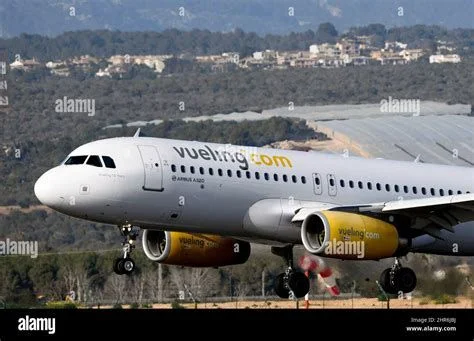
Beyond the immediate crises, the broader travel ecosystem is grappling with the inherent strains of its own success. Urban centers, particularly in Europe, are experiencing infrastructure overload due to surges in visitor numbers. This overcrowding puts a strain on local resources and alters the fabric of daily life, leading to growing friction between the needs of tourism and the housing markets. Island destinations, often more vulnerable, face even sharper challenges in managing these pressures. The central question confronting the industry remains how to reconcile continued growth with the imperative of long-term sustainability, a dilemma that could reshape the very nature of global tourism.
Read More: House Votes to Limit President's War Power on Iran

Investment and deal-making within the sector have also seen a slowdown. In 2025, global travel deal activity experienced a slump, a phenomenon attributed to a convergence of factors including inflation, persistent geopolitical uncertainty, and a generally cautious capital markets environment. While travel demand itself may remain robust, capital has adopted a more discerning approach to deployment. Despite this dip in deal activity, traditional mergers and acquisitions largely held steady, indicating a resilient core within the industry.
Read More: Belagavi and Goa Forests Closed Until Monsoon Ends
Technological Currents and Shifting Habits
The industry's trajectory is also being influenced by technological advancements and evolving consumer behaviors. Artificial Intelligence (AI) is being heralded as a potential disruptor, capable of fundamentally altering how travel is planned and experienced. Simultaneously, generational differences in travel habits, particularly among Millennials and Gen Z, are creating distinct personas and preferences within the market. Frequent corporate travelers, regardless of income bracket, show a propensity for booking premium options. The outlook for travel demand generally remains strong, with no immediate signs of a significant downturn, although potential challenges loom for premium travel products reliant on high-earning demographics.
Governmental Maneuvers and Destination Dynamics
Proactive governmental strategies are also playing a role in shaping tourism landscapes. Countries are implementing initiatives such as incentives for eco-tourism development, extended digital nomad visas, airport expansions, and fostering global airline partnerships. Indonesia's approach, for example, highlights how targeted policies and destination marketing can overcome deterrents and reshape a nation's global tourism profile. In stark contrast to disruptions elsewhere, Colombia has emerged as a significant tourism player in Latin America, showcasing a different model of growth. However, a notable trend indicates that American tourists are facing increased scrutiny and potential resentment in various parts of the world, a dynamic linked to concerns over overtourism and political sentiment, which could significantly alter global tourism patterns.
Read More: NorthWood Football Team Plays Fairfield Amidst Security Talk
The Past as Prologue
The year 2025 itself was marked by a series of global travel disruptions, including localized incidents like the Ryanair fire, flight chaos in Asia, and the impact of heatwaves on summer tourism. These events, alongside broader shifts, underscore the sector's vulnerability to external shocks and its ongoing need to adapt. The interplay of these diverse forces—geopolitical instability, economic caution, technological innovation, and the inherent pressures of success—suggests a period of significant recalibration for the global travel industry.
Read More: UK Domestic Tourism Surges in July 2026 Due to Flight Delays