Recent reports suggest a growing conviction, both within and outside the United States, that the nation is navigating a period of significant decline. This perception is not new, echoing historical anxieties dating back to the republic's founding, yet it is amplified by contemporary analyses pointing to specific policy failures, shifting global dynamics, and enduring social and economic stagnation.
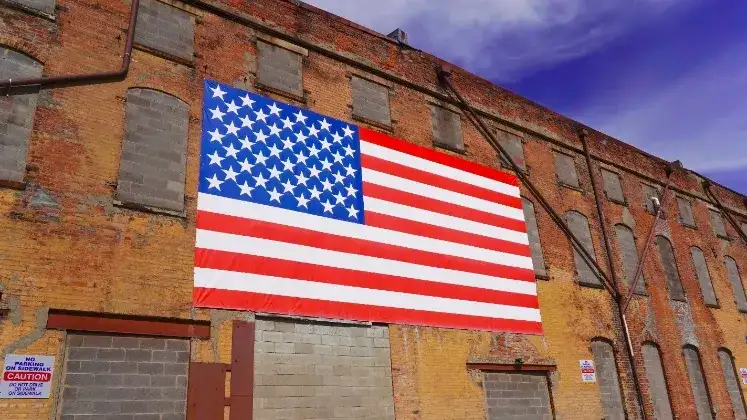
THE ECHOES OF HISTORY AND THE PRESENT ANXIETY
The idea of American decline is a persistent refrain, harkening back to the Founding Fathers themselves, who drew parallels with the histories of Athens and Rome. These ancient civilizations, it is argued, prospered when open to external influences and internal innovation, but faltered when succumbing to anxiety, control, and protectionism. This historical lens is being re-examined as current observers suggest America may be mirroring these patterns.
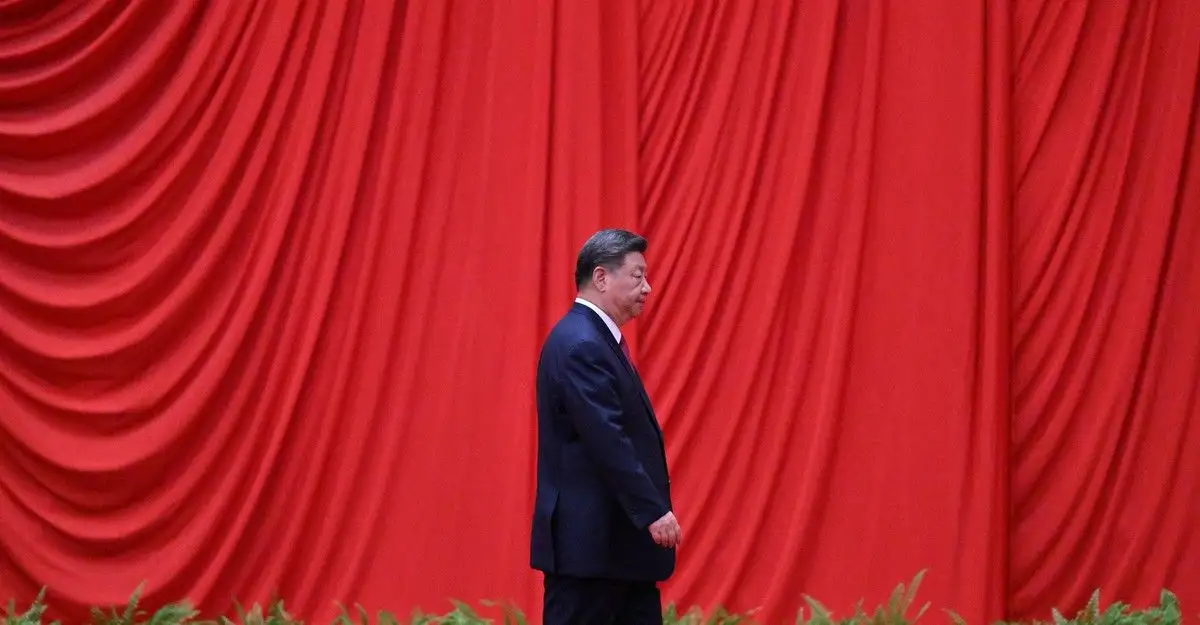
A long tradition of worrying about decline exists in the American consciousness, appearing as early as the 17th century with Puritan settlers lamenting a loss of original virtue.
Contemporary discussions invoke this historical undercurrent, suggesting that the cyclical nature of civilizations might be at play.
PERCEPTIONS FROM BEIJING: A STRATEGIC SHIFT
Crucially, external observers, particularly in China, are interpreting current events as evidence of accelerated American decline. Chinese analysts and state-influenced media narratives widely disseminate commentary that frames America's perceived weaknesses as opportunities for China's ascendancy.
Read More: House Votes to Limit President's War Power on Iran
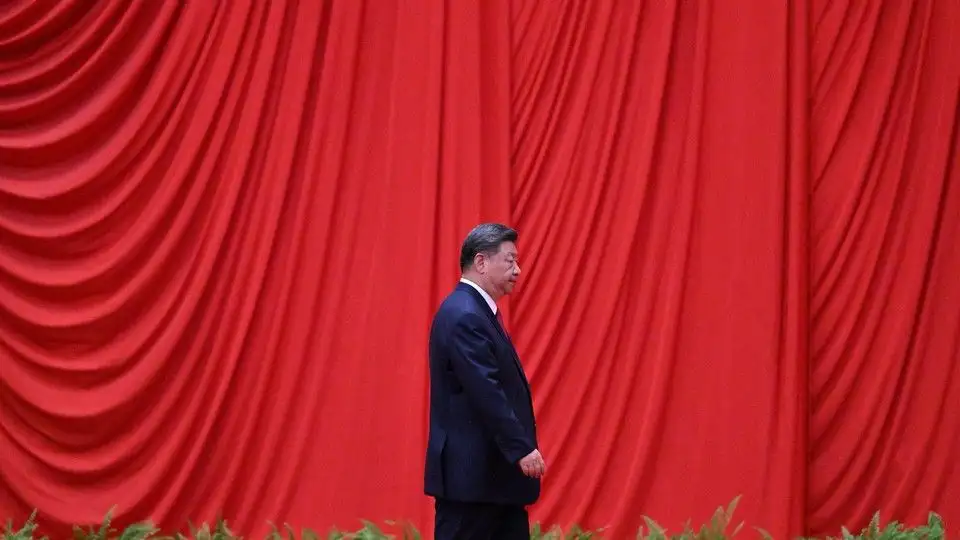
Trump's transactional approach to foreign policy is cited by some Chinese analysts as enabling Beijing to secure concessions through economic leverage.
These narratives suggest that Trump's policies are not merely indicative of internal strife but are actively accelerating America's global standing reduction while bolstering China's.
The strategic restraint observed in China's foreign policy is not viewed as weakness but as part of a "long game," a calculated bet on America's continued descent.
DOMESTIC INDICATORS OF STAGNATION
Concerns about American decline are also rooted in observable domestic trends. Analysis points to early-life conditions as a potential wellspring of this generational stagnation, with implications for long-term health and productivity.

Reversals in public health gains have sparked alarm, with a notable slowdown in the growth of average adult height—a proxy for early-life health and nutrition—for those born after the mid-20th century.
This "generational stagnation" is now manifesting as these cohorts enter older age, raising questions about the future productivity and vitality of the American populace.
Public policy failures are seen as deepening these issues, with innovations in entertainment like Netflix cited as a contrast to more fundamental societal shortcomings.
THE CONTRADICTORY DATA
Despite the prevailing narrative of decline, some data points offer a more complex picture. Reports indicate that even the poorest American states might be outperforming most economies within the G7, suggesting that a broad-brush assessment of decline might overlook pockets of resilience or relative strength. However, these findings are not extensively detailed in the provided materials.
Historical Precedents and Philosophical Underpinnings
The American experiment itself was born from a conscious effort to avoid the perceived pitfalls of earlier republics. The Founding Fathers, deeply engrossed in classical history, sought to construct a system that would safeguard against the erosion of virtue and stability. This foundational concern for decline, therefore, is woven into the very fabric of American self-understanding. The debate over decline, whether understated or overstated, has become a recurring feature of the national conversation, as evidenced by early Puritan laments and the continued contemplation of America's place in the global order.
Read More: Why AI Market Growth Is Slowing Down As Of April 2026