European airfares are demonstrably climbing, with airlines flagging rising ticket prices as an inevitable consequence of the ongoing conflict in Iran. This escalation is directly tied to a doubling of jet fuel costs since the war's inception, forcing carriers to pass these increased operational expenses onto passengers. Major airlines like Lufthansa, Air France-KLM, and SAS are grappling with these pressures, leading to both fare hikes and a significant reduction in flight schedules.

The convergence of escalating jet fuel prices, airspace closures around the conflict zone, and constrained airline capacity points towards a sustained period of expensive air travel for European consumers.

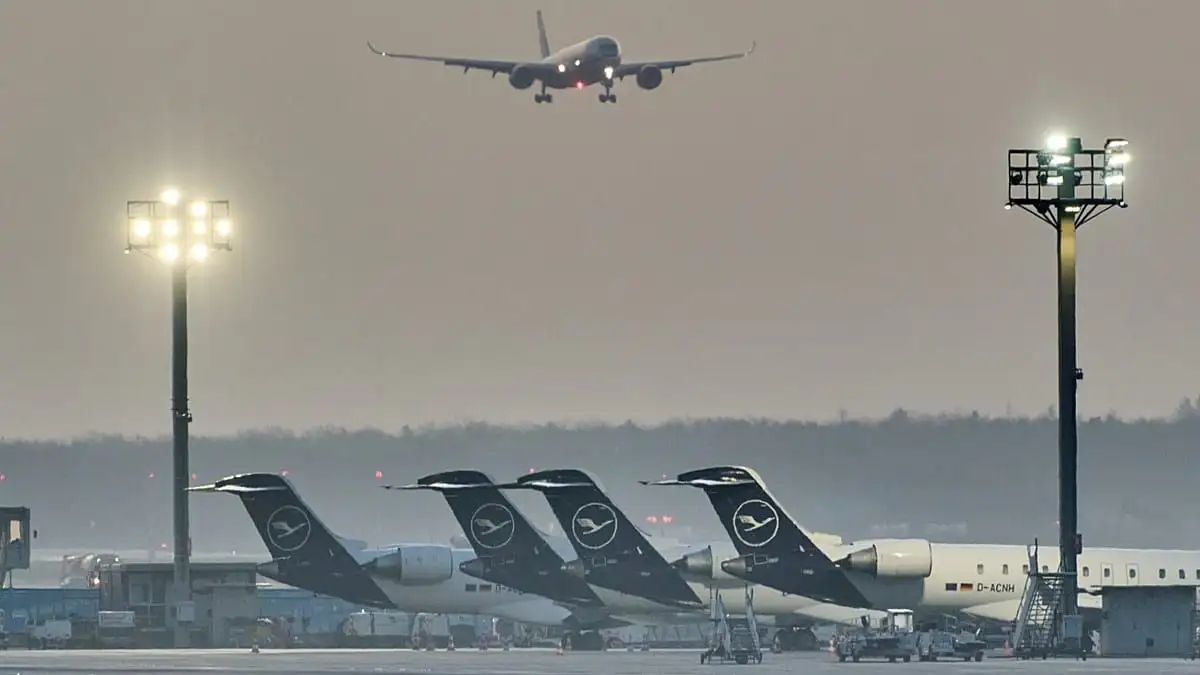
Airlines have responded to the surging cost of jet fuel, which accounts for up to a quarter of their operating expenses, by implementing several measures. Lufthansa alone announced a substantial cut of 20,000 flights from its schedule through the fall, focusing on short-haul and less profitable routes within Europe. This flight reduction aims to conserve fuel and manage escalating costs. Other carriers are similarly reviewing their networks.
Read More: Margaret River Named World's Best Wine Place

The ripple effect of the war extends beyond just fuel prices. Airspace closures and rerouting necessitate longer flight paths, further consuming fuel. This has led to a redrawing of route maps, particularly for flights connecting Europe to Asia and the Middle East. While some airlines have explored alternative routes via Gulf carriers' hubs, these operations are also described as either shut or reduced.
For travelers, this translates into a clear warning: book flights earlier rather than later. Experts suggest monitoring prices for domestic flights three to four months ahead and booking one to two months in advance. International trips, especially to Asia, Australia, and Africa, require even earlier attention, with price monitoring beginning seven to eight months ahead and booking occurring five to seven months prior. Trips to Europe generally warrant booking three to six months in advance, after monitoring prices for seven to eight months.
Read More: Europe June 2026 heatwave caused 39 percent rise in Belgium deaths
Aviation Industry Braces for Extended Turbulence
The aviation industry's current predicament stems from the disruption to oil supplies, a direct consequence of the war. Europe, which imports a significant portion of its jet fuel from the Middle East, has been particularly hard-hit. While airlines have employed hedging strategies to mitigate fuel price volatility, these protections are beginning to "unwind," leaving them exposed to the current high costs.
Beyond fuel, carriers are also contending with limited seat availability. The reduction in flights contributes to fewer available seats, exacerbating the price pressure. While some airlines have attempted to expand operations to certain long-haul destinations, the overall capacity remains diminished compared to pre-conflict levels.
Background:The current situation unfolds against the backdrop of the U.S. and Israeli-led war in Iran. The conflict, which began in early March 2026, has significantly impacted global energy markets. Jet fuel prices have experienced a sharp increase, nearly doubling since the war's commencement, a key driver for the current airfare inflation. Airlines, historically sensitive to fuel price fluctuations, are now navigating a complex operational environment characterized by both elevated costs and logistical challenges. This scenario prompts a critical examination of the aviation industry's reliance on volatile energy markets and its capacity to absorb geopolitical shocks.
Read More: Belagavi and Goa Forests Closed Until Monsoon Ends