Recent approvals by Indian Railways signal a focused effort to improve the nation's rail network. These initiatives aim to tackle congestion, enhance safety, and facilitate faster movement of both passengers and goods. The projects span various regions, including Kerala, Tamil Nadu, Jharkhand, Punjab, and key corridors in Northern and South Eastern Railways.
The approvals cover a range of improvements:
Line Doubling: Adding a second track alongside an existing one to increase capacity.
Third and Fourth Lines: Building additional tracks on already busy routes.
Bypass Corridors: Creating alternative routes to divert traffic away from congested areas.
Electronic Interlocking Systems: Upgrading signaling technology for improved safety and operational efficiency.
These developments are positioned to address current operational challenges and support future growth in rail transport.
Scope and Investment in Rail Infrastructure
Indian Railways has recently sanctioned a series of infrastructure projects valued at over ₹2,414 crore. These projects are spread across Kerala, Tamil Nadu, Jharkhand, and Punjab, with specific approvals also noted for Northern Railway and South Eastern Railway. The overarching objective is to address network congestion, bolster line capacity, refine safety systems, and ensure more reliable passenger and freight services.
Read More: Why night trains do not run on Saturdays in London
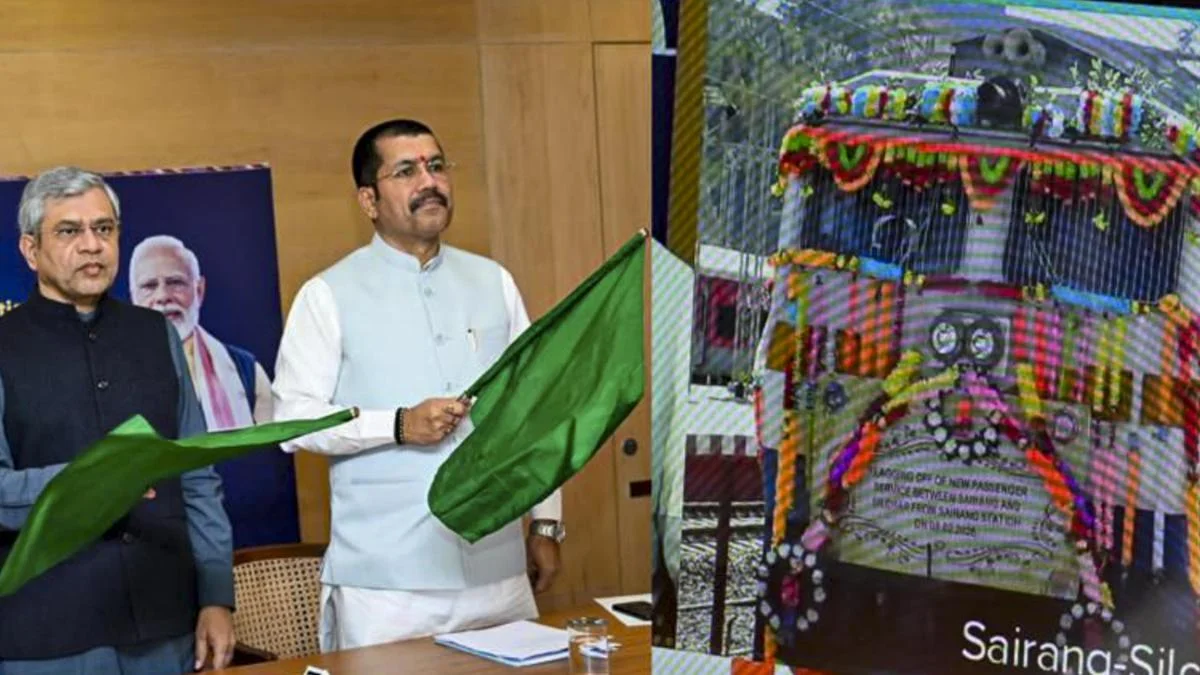
Key projects detailed in the approvals include:
Alappuzha–Ambalapuzha Line Doubling (Kerala): A 12.66 km project costing approximately ₹324.16 crore. This aims to improve line capacity and freight operations in the region.
Irugur–Podanur Doubling (Tamil Nadu): A 10.77 km project with an estimated cost of ₹277.42 crore. This initiative is also expected to significantly enhance line capacity and freight movement.
Rajpura Bypass Line (Northern Railway): A 13.46 km line costing ₹411.96 crore. This bypass is intended to improve capacity and operational efficiency on the busy Ambala–Jalandhar section, allowing freight trains to circumvent the congested Rajpura Yard. It will also provide direct connectivity between the New Shambhu Dedicated Freight Corridor (DFC) station and Kauli station.
Barbenda–Damrughutu Doubling and Damrughutu–Bokaro Steel City Third and Fourth Line Projects (South Eastern Railway, Jharkhand): These are identified as significant capacity expansion initiatives within a corridor crucial for energy, minerals, and cement transport.
Electronic Interlocking (EI) Systems: Approvals have been granted for EI at 34 stations across Northern Railway routes, costing ₹421.41 crore. This upgrade is crucial for enhancing safety and operational efficiency, especially in areas where the 'Kavach' automatic train protection system is being implemented.
The collective investment across these various projects underscores a strategic push towards modernizing and expanding India's rail infrastructure.
Strategic Importance of Network Upgrades
The approved railway projects are designed to have a far-reaching positive impact on multiple sectors. By increasing capacity and efficiency, these upgrades are expected to benefit the middle class, farmers, and the entire logistics sector.
The initiatives are specifically geared towards:
Reducing Congestion: Projects like the Rajpura Bypass aim to alleviate bottlenecks on high-density routes.
Enhancing Line Capacity: Doubling and third/fourth line projects will allow for a greater number of trains to operate simultaneously.
Improving Safety: Modern electronic interlocking systems and the integration with systems like 'Kavach' are intended to reduce accidents and enhance operational reliability.
Facilitating Freight Movement: The upgrades are crucial for the efficient transport of essential commodities such as food grains, fertilizers, coal, and cement, with an anticipated increase in freight traffic.
Lowering Logistics Costs: A more efficient rail network contributes to reduced transportation expenses, making Indian goods more competitive.
Environmental Benefits: An improved rail network aligns with national goals for reducing reliance on more polluting modes of transport and lowering CO2 emissions.
The focus on these infrastructural enhancements indicates a clear strategy to leverage railways as a key engine for economic growth and environmental sustainability.

Regional Focus and Investment Allocation
While specific nationwide figures are emerging, the current approvals highlight a clear focus on particular regions and railway zones. Northern Railway, Southern Railway, and South Eastern Railway are prominently featured in these recent clearances.
The provided data indicates:
Kerala and Tamil Nadu are set to receive substantial upgrades through line doubling projects, specifically the Alappuzha–Ambalapuzha and Irugur–Podanur lines.
Jharkhand is part of capacity expansion efforts within the South Eastern Railway network, with projects focusing on doubling and third/fourth lines in critical industrial corridors.
Punjab is also among the states receiving attention for rail infrastructure development.
Rajasthan has seen significant Cabinet approvals for projects such as the Ajmer–Chanderiya and Jaipur–Sawai Madhopur lines, contributing to a larger network expansion.
Further data points suggest that West Bengal has received considerable investment, with ₹14,205 crore allocated in the 2026-27 budget for rail infrastructure and safety projects. Projects worth ₹92,974 crore are currently in progress in the state, including track creation, station redevelopment, and safety enhancements.
Read More: India Creators Fight Back Against Book Censorship and Event Disruptions
The mention of multi-tracking projects covering districts across Maharashtra, Madhya Pradesh, West Bengal, Bihar, Odisha, and Jharkhand (totaling approximately 574 Kms) and in Maharashtra, Madhya Pradesh, Gujarat, and Chhattisgarh (increasing the network by about 894 Kms) suggests broader, multi-state initiatives that encompass these regions.
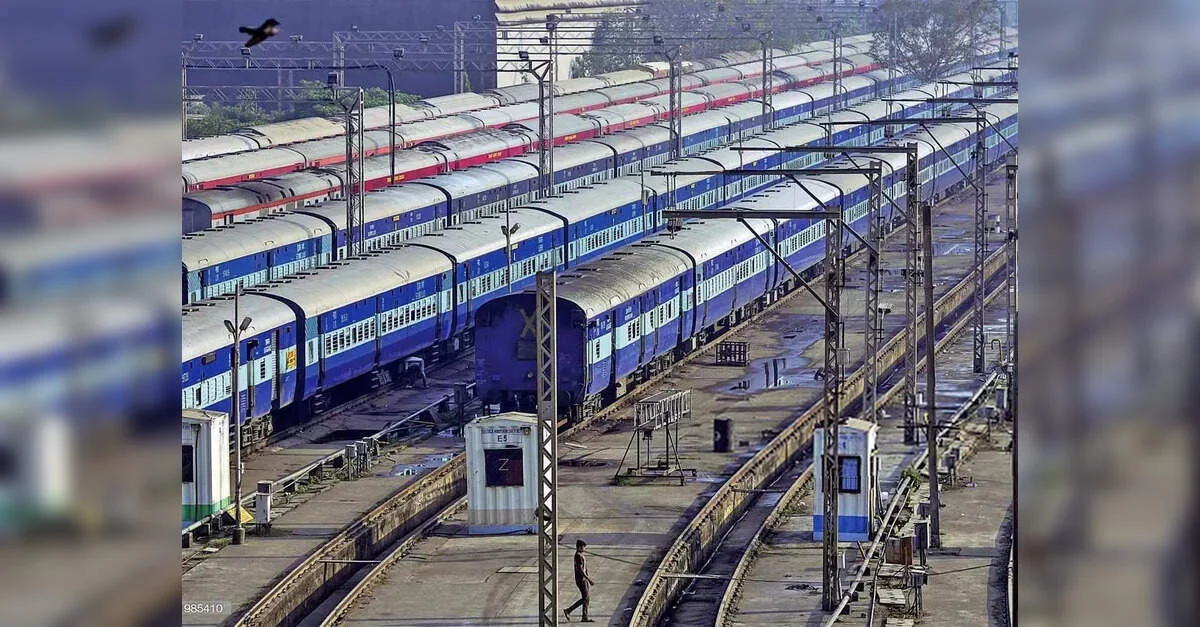
The aggregated costs mentioned, such as ₹2,414 crore across Kerala, Tamil Nadu, Jharkhand & Punjab, and a Cabinet approval of 6 railway projects worth ₹12,343 crore, paint a picture of significant, ongoing investment in rail infrastructure across the country.
Expert Analysis and Broader Context
These recent approvals by Indian Railways arrive at a critical juncture for the nation's transportation sector. Analysts note that such investments are vital for sustained economic growth, especially in enhancing the movement of goods and people.
Read More: Kalaburagi-Bengaluru Vande Bharat Train Carries 5.7 Lakh Passengers in 2 Years
Key observations from available information include:

Strategic Alignment: The projects align with national objectives to reduce logistics costs and improve environmental sustainability, as emphasized by the government's focus on energy-efficient transport modes.
Capacity Utilization: Reports mention lines operating at 108% utilization, with significant train detentions, highlighting the urgency and necessity of these capacity-enhancement projects.
Modernization Drive: The integration of advanced electronic interlocking systems and the mention of the 'Kavach' system indicate a commitment to modernizing signaling and safety protocols.
Freight Corridor Synergy: The bypass projects, like the one at Rajpura, are designed to facilitate smoother operations for freight trains, potentially by improving connectivity with dedicated freight corridors.
The scale of investment, estimated to be in the tens of thousands of crores for ongoing and approved projects across various states, signals a sustained commitment to upgrading the rail network.
Conclusion and Future Implications
The recent approvals by Indian Railways for a suite of infrastructure projects represent a significant push towards modernizing the national rail network. The aggregate value of these projects, including over ₹2,414 crore for immediate upgrades and larger Cabinet-approved sums, indicates a substantial commitment to enhancing railway capacity, safety, and operational efficiency.
Key findings from the evidence:
Targeted Improvements: Projects are strategically focused on alleviating congestion on busy corridors, increasing line capacity through doubling and multi-tracking, and improving safety with advanced signaling systems.
Regional Development: States like Kerala, Tamil Nadu, Jharkhand, Punjab, Rajasthan, and West Bengal are direct beneficiaries of these infrastructure enhancements.
Economic Impact: The upgrades are expected to boost freight movement, reduce logistics costs, and contribute to overall economic growth.
Operational Necessity: High utilization rates and significant train detentions on certain lines underscore the critical need for these capacity-building measures.
The ongoing implementation and future planning of such projects will be crucial in determining the long-term impact on India's transportation landscape and its ability to meet the growing demands of passenger and freight traffic.
Sources Used
Article 1: IndiaTV News - Published: 2 days ago - https://www.indiatvnews.com/business/news/indian-railways-approves-several-infra-projects-to-enhance-capacity-safety-and-operational-efficiency-details-2026-02-10-1029652
Article 2: IndiaTV News - Published: 3 days ago - https://www.indiatvnews.com/news/india/railway-ministry-approves-major-rail-infrastructure-projects-to-boost-capacity-and-safety-2026-02-09-1029541
Article 3: The Hindu - Published: 2 days ago - https://www.thehindu.com/news/national/multiple-rail-infra-projects-approved-to-ease-congestion-improve-safety-railway-ministry/article70614046.ece
Article 5: The Indian Express - Published: 3 days ago - https://www.indianexpress.com/article/india/indian-railways-rs-2414-crore-projects-approved-kerala-tamil-nadu-jharkhand-punjab-10522723/
Article 6: Economic Times - Published: February 9, 2024 - https://energy.economictimes.com/news/coal/cabinet-approves-6-railway-projects-worth-12343-crore-aiming-to-add-1020-km-to-rail-network/107539592
Article 7: Tractor Junction - Published: 1 day ago - https://infra.tractorjunction.com/en/news/indian-railways-clears-rs-2414-crore-infra-projects-across-3-zones
Article 8: New Kerala - Published: 3 days ago - https://www.newkerala.com/news/a/indian-railways-approves-major-projects-across-india-enhance-474.htm
Article 9: India.com - Published: 2 days ago - https://www.india.com/news/india/railway-ministry-approves-major-rail-infrastructure-projects-irctc-indian-railways-vande-bharat-express-rajdhani-shatabdi-duronto-ashwini-vaishnaw-pm-modi-capacity-safety-upgrade-8300259/
Article 11: DD News - Seen on: Brave - https://ddnews.gov.in/en/rail-projects-worth-rs-92000-crore-underway-in-west-bengal-ashwini-vaishnaw


/newsfirstprime/media/media_files/2025/09/20/bmrcl-2025-09-20-14-28-14.jpg)