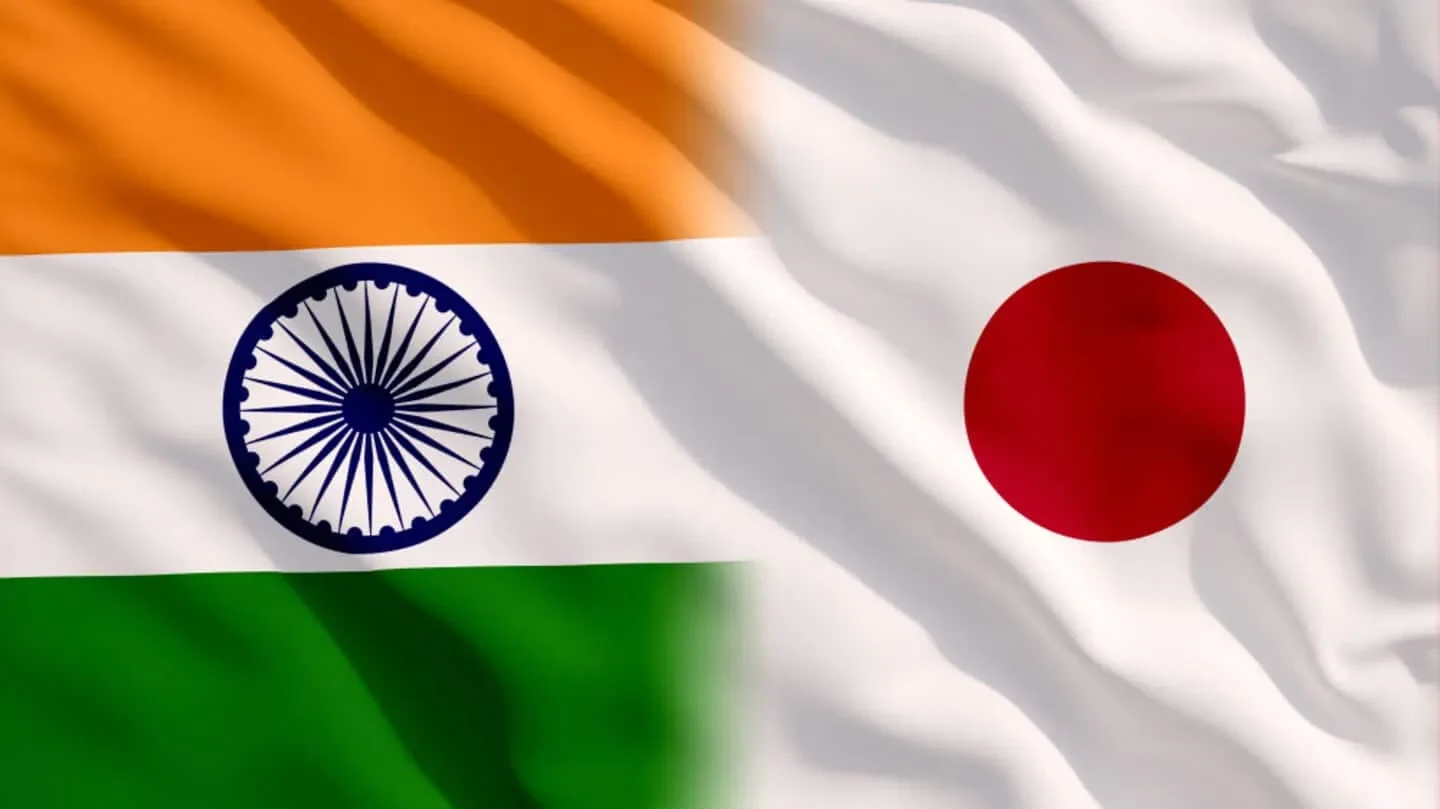
The United States is reportedly preparing to impose an additional 12.5% tariff on goods from India and 59 other nations. This move is framed as a consequence of these countries failing to adequately enforce bans on forced labor. The precise implementation details and a definitive list of affected products remain unconfirmed, though the intention signals a significant escalation in trade pressure tied to labor standards.

Reports suggest this measure is part of a broader strategy by the US to leverage trade policy to compel international adherence to labor regulations. The focus appears to be on goods produced under conditions that the US deems exploitative or non-compliant with its own standards, particularly regarding forced labor. This approach suggests a willingness to disrupt established trade flows in pursuit of perceived ethical compliance from its trading partners.
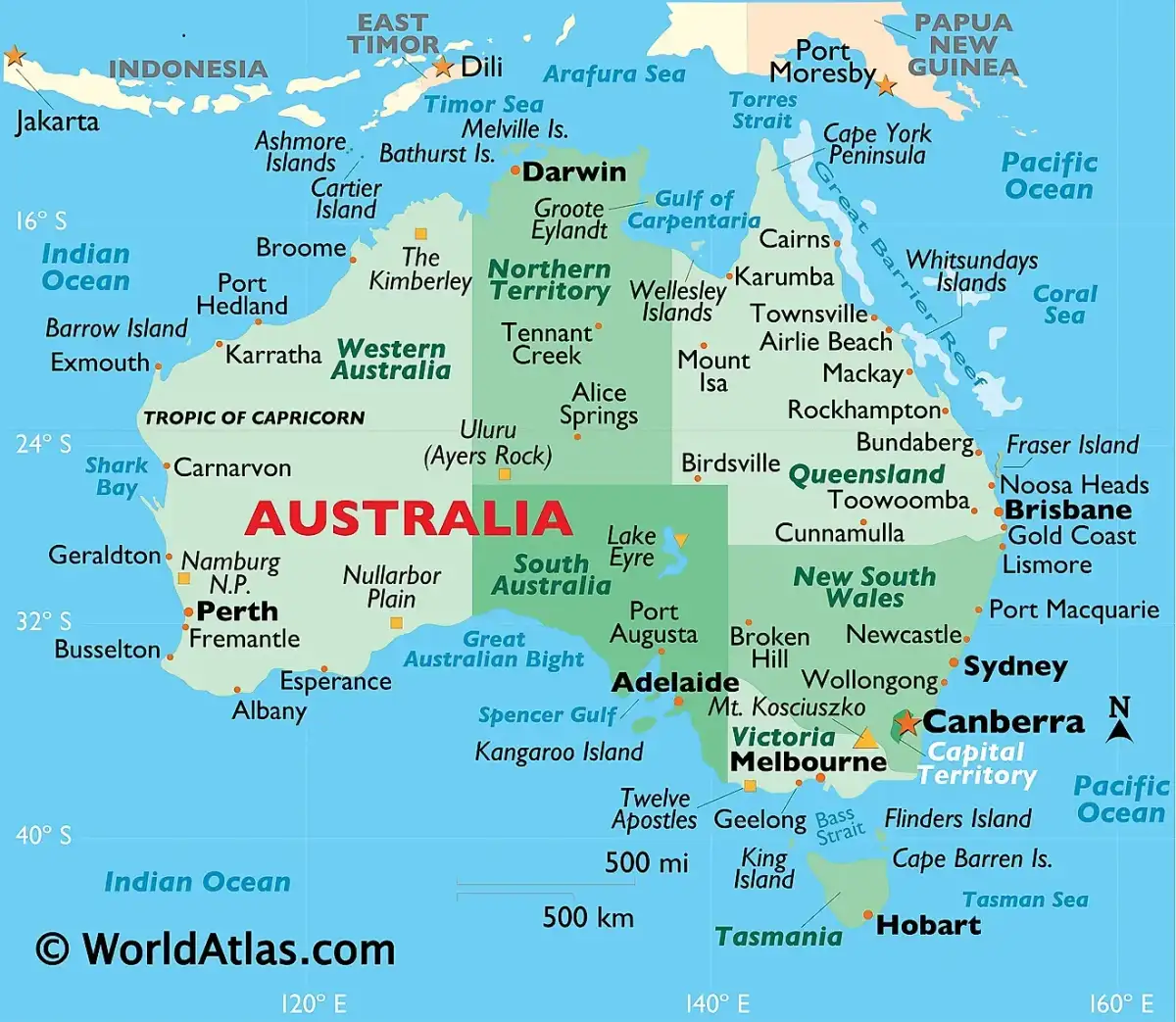
Read More: US May Add Tariffs on Australian Goods Due to Forced Labour

The US, a federal republic composed of 50 states and various territories, maintains the authority to enact such trade policies. Its economic structure allows for significant federal influence over international commerce, a power it appears to be utilizing in this instance. This tariff action represents a potential disruption for the listed countries, impacting their export economies and requiring them to reassess their compliance mechanisms or face increased costs for goods entering the US market. The specific mechanisms for identifying and verifying non-compliance remain a point of scrutiny.