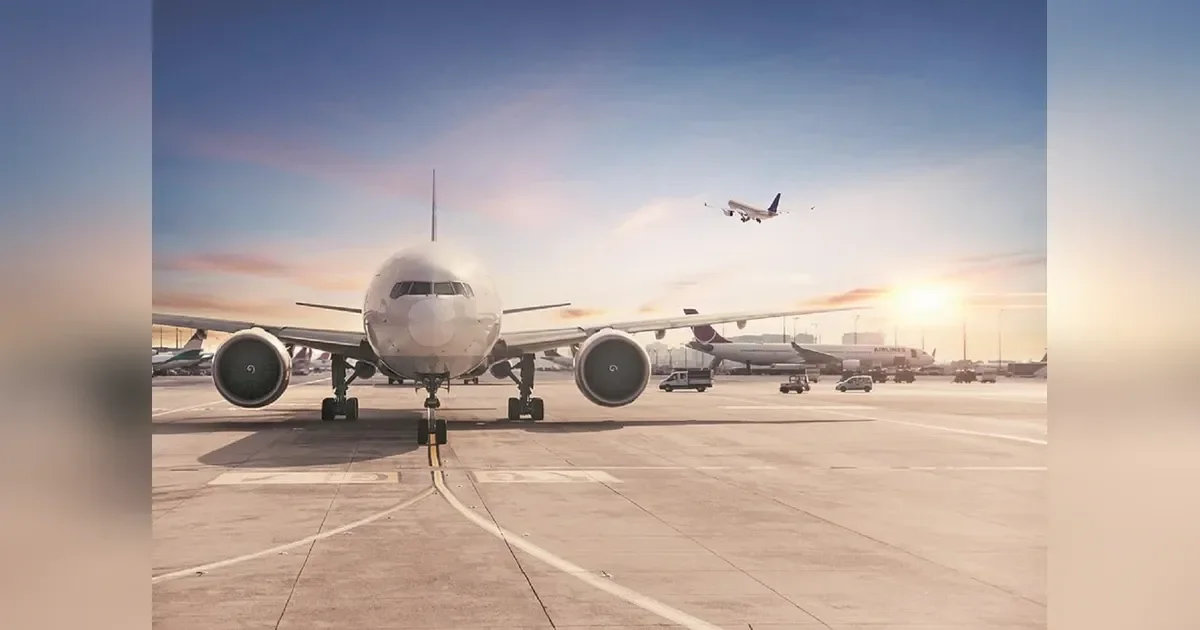
The cost of transit between India and the Gulf is experiencing a sharp, mechanical escalation. Airlines, compelled by the realities of a kinetic conflict between Israel and Iran, are passing the burden of surging war-risk premiums directly to the consumer. For the traveler, this translates to a localized inflationary shock.
Cost Breakdown: The Insurance Surcharge
Industry assessments indicate that insurance providers are demanding massive premiums to underwrite flights entering contested airspace. These costs, levied per return journey, are distributed across the passenger load.
| Aircraft Type | Estimated Premium Per Round-Trip | Estimated Surcharge Per Passenger |
|---|---|---|
| Narrow-body | ₹30–40 Lakh | ₹20,000 |
| Wide-body | ₹90 Lakh – ₹1 Crore | ₹30,000 – ₹35,000 |
The financial mechanism is simple: risk equals cost, and the volatility of the West Asian region has made standard insurance inadequate. Airlines must now notify underwriters before every flight, a logistical constraint that reduces fleet utilization and further restricts the supply of available seats, pushing prices to three or four times their usual baseline.
Read More: Americans cut travel short due to money worries and safety fears in 2026

Operational Constraints and Cascading Effects
Beyond the direct insurance premiums, the environment for commercial aviation is tightening through a series of interlocking operational bottlenecks:

Slot Volatility: Carriers are receiving landing slots only hours before departure, forcing expensive "standby" time for aircraft and crew.
Fuel Inflation: The broader disruption to energy supply routes in the Middle East has driven up the price of aviation turbine fuel (ATF).
Rerouting Costs: Longer flight paths, necessitated by closed or dangerous airspace, increase fuel burn and labor hours, compounding the operating costs for global carriers.
The Mechanism of Risk
Standard aviation policies typically exclude damage arising from war, hijacking, or acts of terrorism. Airlines therefore carry "Hull War Insurance" to protect against these specific, extreme risks. In times of stability, these premiums are factored into annual operational budgets. In the current volatile scenario, insurers are retreating from standard pricing models.
This leads to "capacity compression," where underwriters either withdraw from the market entirely or demand rates that reflect the maximum possible loss. While airline executives express that these elevated fares are temporary—contingent upon the cessation of regional hostilities—the structural integration of these costs suggests that air travel pricing is now directly tethered to the pulse of geopolitical instability.
Read More: New Coursera Money and Banking Course Offers Emerging Market Examples