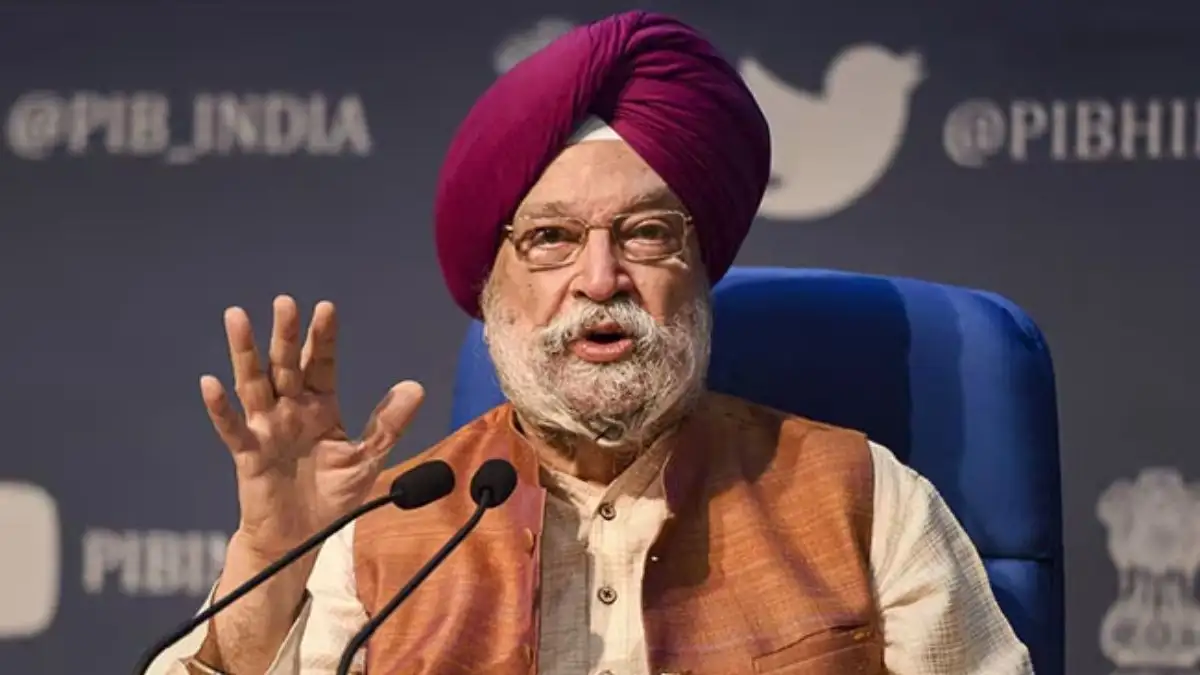
NEW DELHI – In the face of escalating West Asian conflict and resulting global energy market jitters, Union Minister for Petroleum and Natural Gas Hardeep Singh Puri has sought to quell domestic anxieties regarding fuel availability. Puri stated on Tuesday, May 12, 2026, that India possesses reserves sufficient for 69 days of crude oil and LNG and 45 days of LPG stock, a figure corroborated across multiple reports.
The minister highlighted a significant ramp-up in LPG production, from a prior range of 35,000-36,000 tonnes per day to a current output of 54,000 tonnes per day, directly attributing this surge to the ongoing West Asia conflict. This increase is presented as a measure to ensure uninterrupted domestic supply, particularly for cooking gas.
Stockpiles and Production Efforts
Speaking at the CII Annual Business Summit, Puri detailed the nation's strategic petroleum reserves. The assurance comes as reports of LPG shortages and queues at petrol stations have surfaced in certain areas, prompting the minister to address what he termed "consumer anxiety."
Read More: Solaris Energy SEI Stock Price Forecast Reaches $91.98 by July 2027
Crude Oil & LNG Reserves: 69 days supply.
LPG Reserves: 45 days supply.
LPG Production Increase: From 35,000-36,000 tonnes/day to 54,000 tonnes/day.
Puri also noted that domestic LPG supply is "fully protected," with delivery timelines remaining unchanged. He indicated that the government is actively collaborating with states and oil marketing companies to deter hoarding and black marketing, thereby ensuring consistent fuel access.
Broader Economic Context and Fiscal Strain
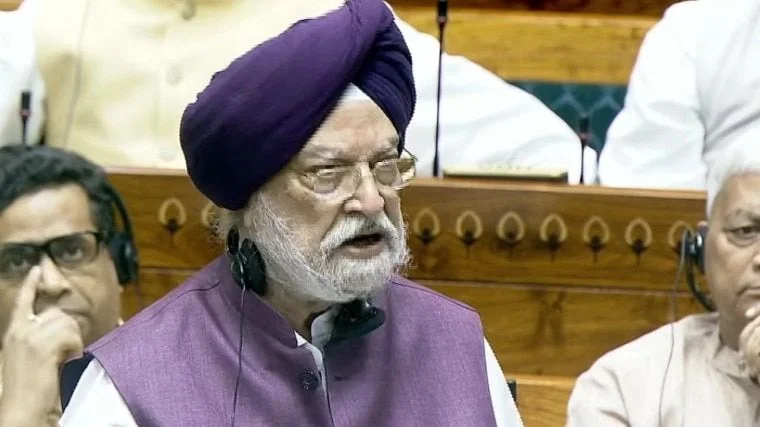
The minister's pronouncements on fuel supply occur against a backdrop of broader economic concerns. Prime Minister Narendra Modi had earlier on Sunday, May 10, 2026, urged for judicious fuel use, postponement of gold purchases, and foreign travel for a year, framing these as measures to strengthen the economy and conserve foreign exchange amid the crisis. Puri echoed this sentiment, characterizing the Prime Minister's appeal as a "wake-up call" to address fiscal pressures stemming from the West Asia conflict.
Puri acknowledged potential difficulties faced by industrial and commercial LPG users, referencing a three-member committee established to review LPG allocations to sectors such as restaurants and industrial canteens. He stated that while the nation prioritised household kitchens, commercial and industrial supplies had seen adjustments, with commercial LPG currently at about 70% of pre-crisis levels.
Read More: India IVF Costs And Social Barriers Limit Access In April 2026
The disruption in the Strait of Hormuz, a critical global oil route, which carries approximately 20% of the world’s crude oil, natural gas, and LPG, has been cited as a significant factor impacting global energy flows. India, however, has reportedly diversified its crude sourcing, reducing reliance on this particular chokepoint, with procurements now including sources from the United States, Norway, Canada, Algeria, and Russia, in addition to Gulf nations.
Earlier reports from March 12, 2026, also indicated Puri assuring Parliament of no shortage of petrol, diesel, kerosene, aviation turbine fuel (ATF), or fuel oil. At that time, it was stated that India was importing roughly 60% of its LPG needs from Gulf countries, with the remaining 40% produced domestically. The current statements suggest a proactive adjustment in domestic production capacity in response to evolving global energy dynamics.
Read More: Summer AC Settings: Save Money by Raising Thermostat