Consumers are experiencing significant confusion and disruption in obtaining Liquefied Petroleum Gas (LPG) cylinders, fueled by a confluence of technical failures in booking systems, seemingly contradictory official directives, and an underlying financial strain on oil marketing companies (OMCs). This situation has left many, from established businesses to individual households, in a state of uncertainty regarding supply and access.
Disrupted Access and Communication Breakdown
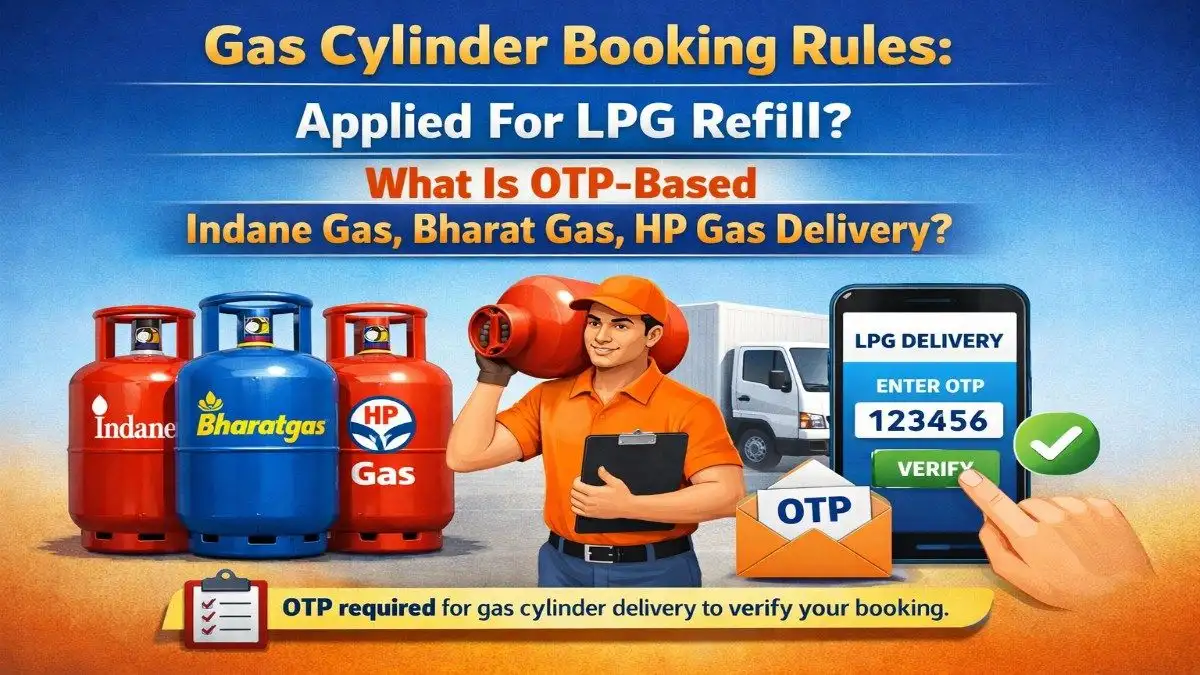
Recent reports highlight widespread technical failures affecting the official apps and websites of major LPG providers, including Indane, Bharat Gas, and HP Gas. This has led to frustration as consumers find themselves unable to book cylinders through these channels. While alternative booking methods like IVRS, missed calls, and third-party UPI apps are available, the reliance on multiple systems underscores a broader vulnerability in the current delivery infrastructure.
The situation is exacerbated by reports of alleged "ghost deliveries," where cylinders are marked as delivered without actually reaching the consumer, and OTP (One-Time Password) verification issues that hinder fresh refill bookings. This lack of reliable delivery confirmation and verification processes creates a fertile ground for both genuine mishaps and potential malfeasance, leaving consumers unable to secure essential refills.
Read More: Solaris Energy SEI Stock Price Forecast Reaches $91.98 by July 2027
Policy Ambiguity Fuels Market Hesitation
Adding to the confusion is a recent order that, while clarified by the Ministry of Petroleum and Natural Gas, initially sparked widespread misinterpretation. A clause stipulating that LPG procured under a specific directive must be supplied solely to domestic consumers led many distributors and hospitality bodies to believe that supplies to commercial establishments like hotels and restaurants were being halted. While ministry officials clarified that this directive was misread and does not prohibit commercial sales, the initial ambiguity highlights a disconnect between policy pronouncements and their practical reception in the market.
Furthermore, oil marketing companies have reportedly begun informally freezing the issuance of new LPG connections and second cylinders. This unofficial stance, conveyed through multiple agencies, has left hundreds of applicants in limbo and created a waiting list of at least 600 customers at some agencies. This restriction, imposed amid an ongoing supply crisis, leaves consumers scrambling for access to essential cooking fuel.
Read More: India IVF Costs And Social Barriers Limit Access In April 2026
Financial Pressures on OMCs and Shifting Consumer Behavior
The operational challenges faced by OMCs are underscored by significant financial under-recoveries. Reports indicate that these companies are experiencing an average monthly loss of around Rs 30,000 crore on petrol, diesel, and LPG sales. This fiscal strain arises from the government's efforts to shield consumers from international price hikes, leading to OMCs purchasing expensive raw materials while selling at subsidized rates.
This financial reality, coupled with rising global energy prices, has implications for different consumer segments. While domestic LPG consumers are shielded from immediate price shocks, market-linked 5-kg cylinders have become significantly more expensive. This has, in turn, pushed vulnerable users towards informal markets and potentially deepened energy insecurity for those relying on these smaller cylinders. The demand for piped natural gas (PNG) connections remains robust, with a substantial number of registrations and some domestic LPG consumers even surrendering their cylinders in favor of PNG, suggesting a shift in consumer preference and availability.
Read More: Summer AC Settings: Save Money by Raising Thermostat
A History of Systemic Adjustments and Consumer Adjustments
The current predicament is not an isolated incident but appears to be part of a series of systemic adjustments impacting LPG consumers. Over the years, there have been changes in delivery processes, including the implementation of direct cash transfer schemes and requirements for Know Your Customer (KYC) details, aimed at streamlining subsidy distribution and preventing diversion. However, these measures have also, at times, generated confusion and raised concerns about genuine consumers being sidelined. More recently, the implementation of biometric data collection for domestic LPG consumers has also led to confusion and logistical challenges, particularly for the elderly.
The narrative around LPG supply has been one of constant recalibration, from the introduction of the 'Ujjwala' scheme to attract new consumers, to measures aimed at controlling multiple connections and ensuring subsidy reach. Yet, the recurring theme across these interventions is the struggle for clear communication and seamless execution, leaving consumers perpetually navigating a complex and often opaque system.
Read More: Tamil Cinema Loses K. Bhagyaraj and Bharathiraja, Ending An Era