Internal Unrest Mounts Following Electoral Setbacks
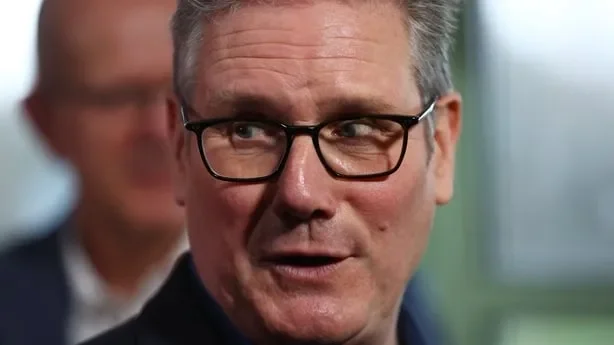
Keir Starmer's position as leader of the Labour Party and Prime Minister has become increasingly precarious. Reports indicate a growing number of Labour MPs, reportedly around 42, are publicly urging him to step down, particularly in the wake of significant losses in recent local elections. Some lawmakers have explicitly requested he set a timetable for his departure, a move seen as a precursor to resignation.

The mechanism for removing a sitting Labour leader is complex, and historically, Labour MPs have never successfully ousted a Prime Minister from within the party. A leadership contest would be initiated if a challenger gains sufficient support. Should only one candidate emerge and meet the qualification criteria, they would assume leadership unopposed, becoming the new Labour leader and Prime Minister without a formal vote.

Contingencies and Leadership Contests
Should Keir Starmer resign or be successfully challenged, the Labour Party would initiate a leadership contest. The process for triggering such a challenge hinges on accumulating adequate backing for an alternative candidate. The prospect of a leadership contest has already seen figures such as Streeting acknowledge the possibility, without explicitly ruling out participation.
Read More: Zack Polanski council tax houseboat issue in London December 2026

In scenarios where the Prime Minister does not voluntarily resign, senior cabinet members themselves might act to compel his exit. This could involve collective pressure on Starmer to step down, essentially forcing his hand. An alternative, drawing parallels with past Conservative Prime Ministers, would be for Starmer to announce his resignation as party leader while remaining in Downing Street until a successor is elected.

Historical Context and Party Dynamics
The Labour Party's constitution presents a robust barrier to easily removing a leader. There is a precedent of leaders delivering significant speeches, such as one described as one of his best by many Labour MPs during the previous year's conference, which have aimed to rally support and signal a renewed direction. Starmer himself delivered a pivotal speech on Monday, which has been framed as a critical moment in his tenure, reaffirming his stance amidst mounting pressure. Reports suggest that while some ministers are considering potential successors, like David Lammy, the Deputy Prime Minister and Justice Secretary, such individuals may not necessarily harbor personal leadership ambitions. Concerns have also surfaced regarding potential associations that could impact a contender's prospects.
Read More: Angela Rayner criticizes Keir Starmer over Andy Burnham's return to Parliament