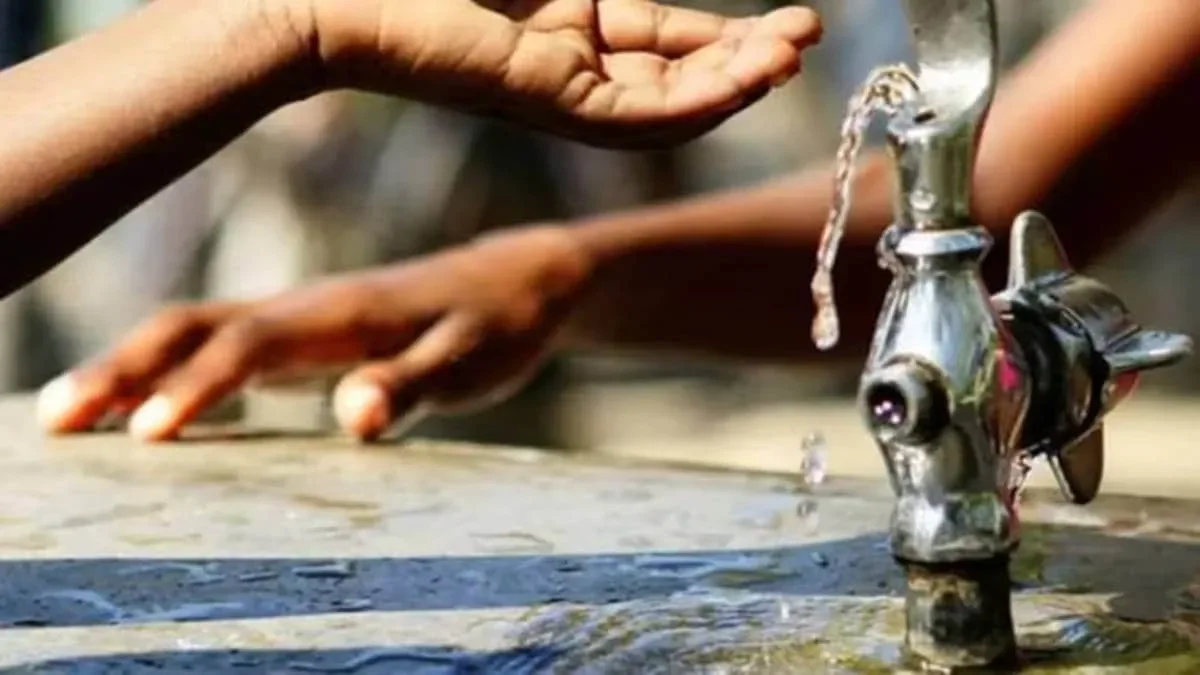
Several urban centers across India are implementing fines for water wastage and unauthorized connections as temperatures climb and demand for the precious resource escalates. The measures appear aimed at stemming perceived misuse of treated water, often designated for drinking purposes.
Officials in Vijayapura, Karnataka, have stipulated a Rs 2,000 fine for individuals caught wasting drinking water. Simultaneously, a more substantial penalty of Rs 5,000, plus connection charges, will be levied on those found to have established unauthorized water tap connections. Authorities in the region report that the supplied water is intended strictly for potable use, with its quantity calculated accordingly. Yet, observations point to widespread diversion for activities such as washing vehicles, tending to gardens, and letting taps run unchecked, contributing to overflow into streets and drainage systems. Concerns also exist about the installation of power pumps in certain areas, further destabilizing water distribution.
Read More: Assam Forest Guards Not Used for Elections After NGT Order on April 2

Meanwhile, in Mohali, the Water Supply and Sanitation Department has adopted a tiered penalty system. Initial infractions for water wastage incur a Rs 1,000 fine, escalating to Rs 2,000 for a second offense. A third violation carries a steeper penalty of Rs 5,000, coupled with the outright disconnection of the water supply. Officials highlight that such misuse, particularly for non-essential tasks like car washing, significantly diminishes water pressure, posing difficulties for residents on higher floors. This initiative, which commenced on a Friday, seeks to ensure a more consistent water availability across the city.
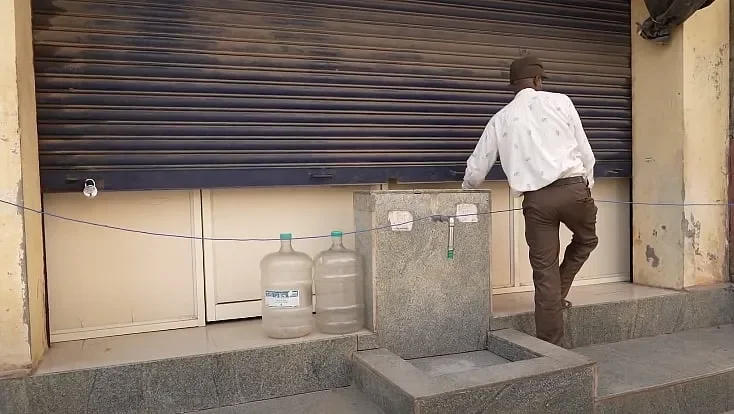
The Bangalore Water Supply and Sewerage Board (BWSSB) in Karnataka has also tightened its regulations. The board has announced a Rs 5,000 fine for the misuse of drinking water for non-essential purposes. These explicitly banned activities include car washing, gardening, road cleaning, and other uses beyond drinking, particularly in public spaces like cinema halls. Repeated violations may result in an additional daily penalty of Rs 500, capped at the aforementioned Rs 5,000 total. The BWSSB has also addressed concerns surrounding the pricing of tanker water, establishing fixed rates to foster transparency.
Read More: India Lok Sabha Seats: Southern States Will Not Lose Seats Amidst Expansion Plans

Broader Enforcement and Advisory Measures
In Gmada, authorities have implemented fines until July 30. A first violation attracts a Rs 2,500 penalty, rising to Rs 5,000 for a second offense. Subsequent violations will lead to the disconnection of water supply. For new constructions, including plots and commercial properties, a single warning will precede disconnection if water wastage is observed. Alongside these penalties, a public awareness campaign is underway, advising residents on water-saving practices such as using RO and AC wastewater for domestic tasks, employing buckets for washing, and conserving water during personal hygiene routines.
The Haryana story indicates that Water Conservation Officers were slated to begin issuing penalties from April 1. Identified drivers of water scarcity during summer months include water wastage and illegal connections. This initiative also coincides with revelations of significant outstanding water bills, exceeding one crore rupees, accumulated by consumers in Gohana. Public engagement efforts are planned, focusing on educating residents about basic conservation techniques and verifying the legitimacy of water and sewer connections through surprise inspections in Gohana and surrounding villages.
Read More: New Research Explains Paper Stiffness for Better Recycling in 2024
| Location | Fine for Water Wastage | Fine for Illegal Taps | Escalation for Repeat Offenses |
|---|---|---|---|
| Vijayapura | Rs 2,000 | Rs 5,000 + charges | Not explicitly detailed |
| Mohali | Rs 1,000 (1st), Rs 2,000 (2nd), Rs 5,000 (3rd) | Not explicitly detailed | 3rd offense: Rs 5,000 + disconnection |
| Bangalore | Rs 5,000 | Not explicitly detailed | Additional Rs 500 daily, max Rs 5,000 cumulative |
| Gmada | Rs 2,500 (1st), Rs 5,000 (2nd) | Not explicitly detailed | 2nd offense: Rs 5,000; 3rd offense: disconnection |
Background Context
These measures emerge against a backdrop of increasing summer temperatures and perceived strain on urban water resources. Reports suggest that in Bengaluru, the water scarcity situation has, at times, necessitated the transportation of potable water from considerable distances and even consideration of water trains. The ongoing deterioration of the groundwater situation in Bengaluru further complicates the supply challenges. Officials frequently emphasize the need for conservation, pointing to practices like using drinking water for vehicle washing, gardening, and road cleaning as significant contributors to reduced availability, particularly impacting residents on higher floors due to decreased water pressure. The broader context also includes discussions around potential water tariff hikes in some areas, reflecting the perceived growing costs associated with securing and distributing water.