Kerala Chief Minister's Strong Rebuke of Congress Leader
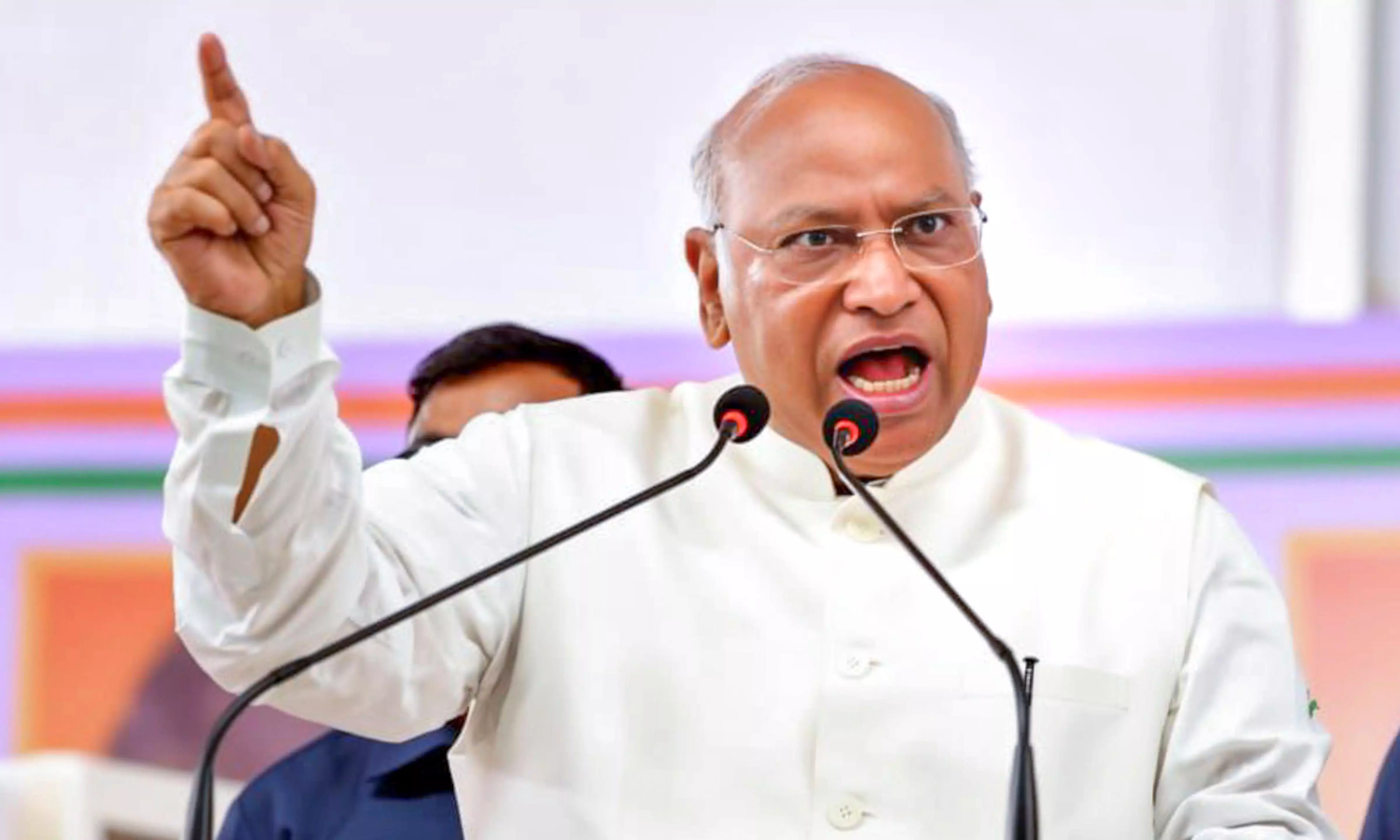
Pinarayi Vijayan, the Chief Minister of Kerala, has issued a pointed critique of Rahul Gandhi, a prominent figure within the Parliament and a leader of the Congress party. Vijayan’s statements, delivered in response to Gandhi’s recent remarks, accuse the Congress of operating as a secondary player for the Bharatiya Janata Party (BJP).
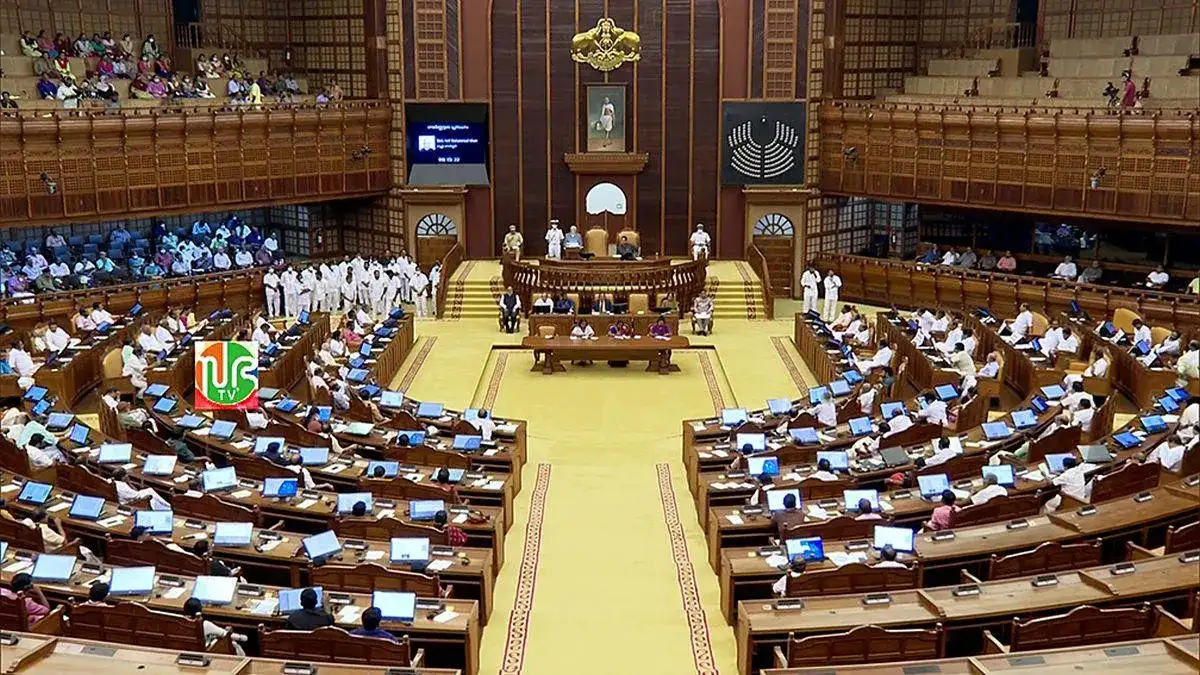
Vijayan asserts that Gandhi's accusations of a partnership between the Left Democratic Front (LDF) and the BJP are indicative of a profound lack of understanding of political realities. The Chief Minister specifically pointed to an incident in Chhattisgarh where two Kerala nuns were arrested on charges of forced conversion and trafficking. Vijayan framed this event within the context of the Congress's historical legislative actions, noting that the very laws under which the nuns were detained were a "bequest" from previous Congress administrations in the region. He further questioned Gandhi's engagement with the issue, inquiring if he was absent during prior instances of alleged targeting of minority groups in Chhattisgarh under a Congress government.
Read More: Karoline Leavitt White House Press Secretary Job Unsteady After Criticism

Vijayan’s counter-arguments extend to broader political strategy, suggesting that the Congress, under Gandhi's leadership, has on multiple occasions inadvertently aided the BJP's electoral successes. This alleged pattern, according to Vijayan, has been observed in various states, including Delhi, where the Congress's stance on the arrest of Arvind Kejriwal in a liquor policy corruption case is cited as an example.
Shifting Alliances and Electoral Dynamics
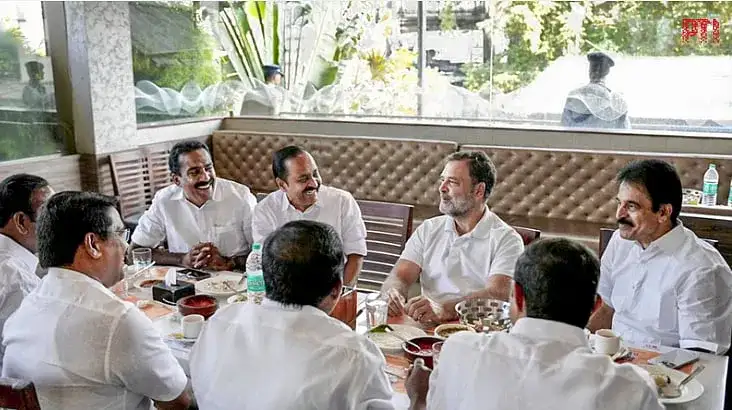
The exchange highlights a deepening friction between the LDF, led by Vijayan's Communist Party of India (Marxist), and the Congress party, particularly as state elections approach in Kerala. Gandhi had previously accused the LDF of being "hand-in-glove" with the BJP, linking this to the Chhattisgarh nuns' arrest. He characterized the LDF and its alleged partners as forces that "divide people and crush them," contrasting this with the Congress's purported aim to "unite people."
Read More: India Lok Sabha Seats: Southern States Will Not Lose Seats Amidst Expansion Plans
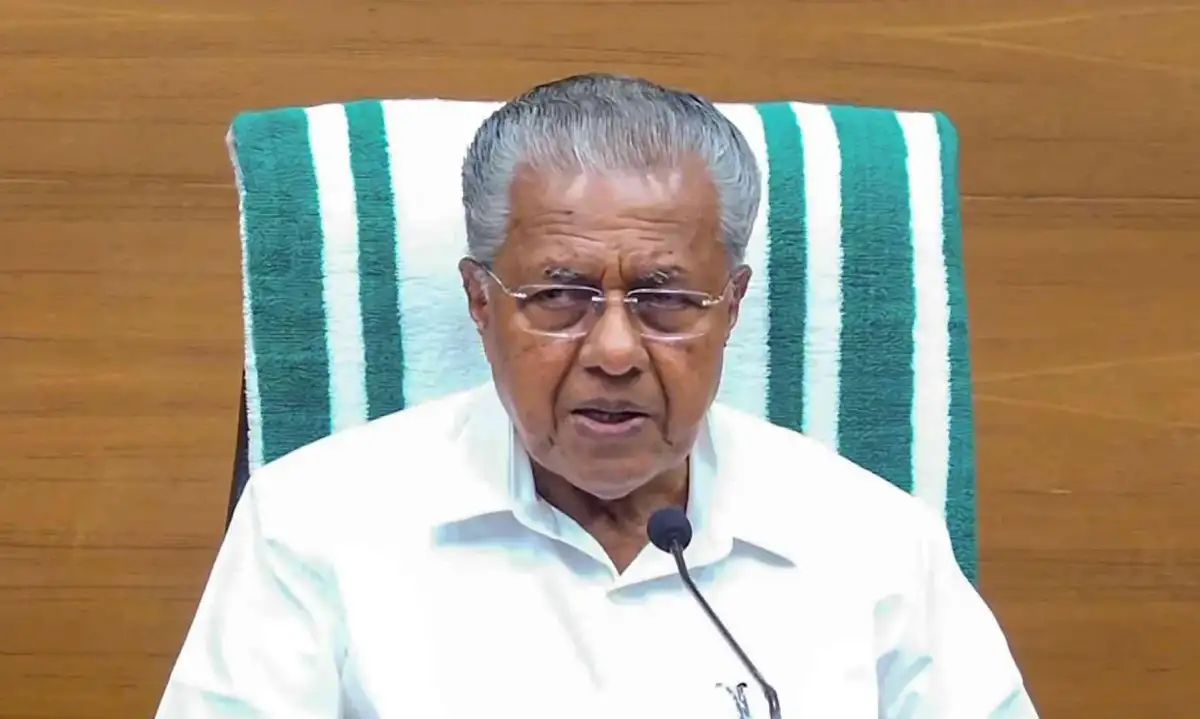
Vijayan, in turn, has repeatedly labeled the Congress as the "B-team" of the BJP, a charge he has reiterated with notable frequency. He contends that the Congress's actions, rather than challenging the BJP, often serve to undermine opposition unity and inadvertently facilitate the BJP's objectives. The CPI(M)-led LDF, Vijayan insists, remains fundamentally opposed to all forms of communalism and does not seek endorsements from groups engaged in such activities.
The political maneuvering and verbal sparring occur against the backdrop of upcoming elections in Kerala, where the electoral landscape is often framed as a contest primarily between the LDF and the United Democratic Front (UDF), which is led by the Congress. Some observers, like MP Shashi Tharoor, have indicated that the principal electoral fight is indeed between these two alliances, suggesting a potential sidelining of the BJP in the state's immediate political calculus.
Read More: Manalur 2026 Election: CPI(M) Leader Murali Perunelly Faces Tough Contest Amidst Political Shifts
Historical Context of Political Narratives
The accusations of a clandestine alliance between the LDF and the BJP have been a recurring theme in political discourse surrounding Kerala's elections. Gandhi's pronouncements echo a narrative that seeks to portray the LDF, particularly its dominant CPI(M) component, as having shifted ideologically. This perspective often points to perceived overtures or alignments that, critics argue, betray the party's secular foundations.
Vijayan's defense centers on historical legislative frameworks and alleged political expediency on the part of the Congress. The mention of the Freedom of Religion Act, a piece of legislation that originated during earlier periods of Congress rule, serves to underscore his argument that the legal underpinnings for certain actions against religious minorities have deeper roots within the Congress party's own legislative history. This rhetorical strategy aims to deflect current criticism by highlighting historical precedents set by the party now leveling accusations.
Read More: Decomposed Bodies Found in Hyderabad, Pune, Sagar, Mumbai, Mohali Raise Concerns
The debate also touches upon broader concerns regarding the use of central agencies in political investigations. While Gandhi has pointed to the arrest or questioning of opposition leaders by these agencies, excluding the Kerala Chief Minister, Vijayan uses this to reinforce his argument about the Congress's perceived collaboration with the ruling party. His references to the Kejriwal case and allegations of the Congress-UDF compromising with "communal forces" in the run-up to elections aim to frame the Congress not as a victim, but as an agent complicit in broader political strategies that benefit the BJP.