


The United Kingdom is experiencing what may be its earliest spring on record, marked by a surge in flowering plants, returning migratory birds, and insect activity.== Observers note that phenomena once considered late April occurrences, such as the appearance of bluebells and the flight of swallows, are now being recorded as early as March 31st. This phenomenon, coinciding with a season of reported "sensational displays" of early spring flowers, raises questions about the shifting rhythms of nature.

Butterflies, in particular, are cited as key indicators of this ecological shift, with many common species having an "excellent year."== Reports highlight an abundance of butterflies, alongside other insects like ladybirds and wasps, thriving in what has been described as the warmest and sunniest spring on record. This insect boom is linked to a proliferation of aphids, a primary food source for ladybirds, and the premature full bloom of plants like lavender, attracting early pollinators.
Read More: India Plastic Rules Give Companies More Time to Recycle Amid Safety Rules

The timing of these events, while celebrated by some for the visual spectacle, is underpinned by a context of increasingly variable weather patterns. Experts suggest that consecutive hot summers, followed by heavy winter rains, may be contributing factors to this accelerated spring. This juxtaposition of apparent natural bounty against a backdrop of noted unpredictability warrants closer examination.

A Symphony of Early Bloom
The signs are manifold. Beyond the iconic swallows and bluebells, a variety of wildflowers—violets, celandines, stitchwort, dandelions, and cowslips—are reported to be flowering in profusion. The early arrival of insects like the orange-tip butterfly further signals a departure from historical seasonal markers.
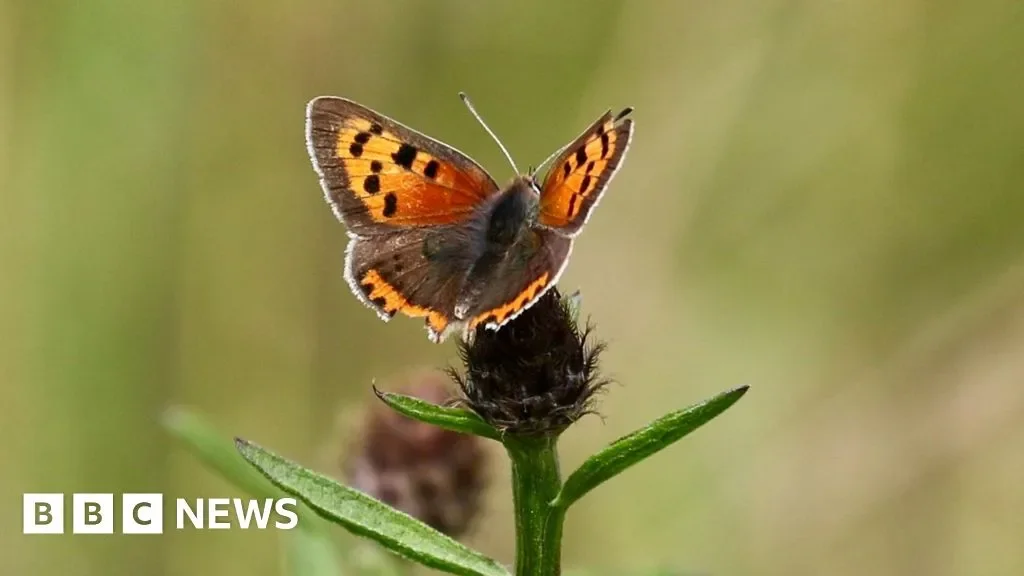
This acceleration is not without precedent, yet its scale this year has drawn particular attention. Data from citizen science projects, where the public reports their observations of early spring signs, is considered "really valuable to scientists." These sightings, ranging from the first butterfly of the season to frogspawn appearing, collectively build a picture of nature's evolving timeline.
Read More: New UK Sentencing Rules Mean Fewer Jail Terms for Shoplifters Starting March 2024
Climate's Unpredictable Hand
While direct causality is complex, the observed environmental shifts occur within a broader narrative of climate change. This phenomenon is noted for making weather patterns more unpredictable. The implications for species are underscored by the observation that while hot weather can benefit certain insects like butterflies, prolonged or extreme conditions can eventually prove detrimental.
The reported success of butterfly populations this year is presented as a potential signal of environmental health, yet it also emerges from a period where consecutive summers of poor weather could, conversely, push species towards decline. This paradox highlights the intricate and often precarious balance of ecological systems.
Historical Context
Fifty years ago, the first appearance of certain spring indicators was a markedly later affair. The shift observed now suggests a significant alteration in the phenology of the British Isles. Such changes have been noted across various aspects of nature, from avian arrivals and nesting behaviors to the blooming cycles of plant life. The gathering of such observations is an ongoing effort, aimed at understanding the nuances of seasonal transitions and their potential drivers.
Read More: Musi River Cleanup: Telangana Govt Plans Temples Before Cleaning Polluted Waterway


