Prime Minister Narendra Modi has publicly stated that Southern Indian states will not see a reduction in their Lok Sabha seats, even as the government reportedly considers a significant increase in the total number of parliamentary constituencies. These assurances come amidst widespread concerns that a delimitation exercise, recalibrating seats based on population shifts, could disproportionately benefit more populous Northern states at the expense of the South, which has achieved greater success in population control.
The proposed increase would see the Lok Sabha’s total strength jump from the current 543 to an estimated 816 seats. This expansion is intrinsically linked to the implementation of the 33% women's reservation mandate, a legislative goal the government is aiming to advance in upcoming parliamentary sessions scheduled for April 16-18. The Nari Shakti Vandan Act, passed earlier, ties the reservation to future delimitation processes.
Read More: Karoline Leavitt White House Press Secretary Job Unsteady After Criticism
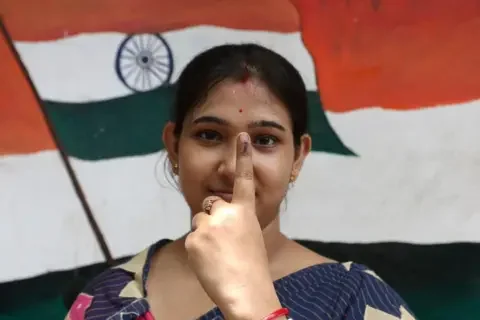
South's Unease Amidst Central Assurances
Southern states have voiced apprehension that population-based delimitation could lead to a substantial loss of representation. Their demographic success in controlling birth rates, a stated policy objective, might now translate into political disadvantage. Reports suggest potential seat increases in states like Uttar Pradesh (from 80 to 120), Maharashtra (from 48 to 72), and West Bengal (from 42 to 63), while Southern states grapple with the prospect of diminished numbers or a stagnant proportion of seats relative to the overall increase.

Union Home Minister Amit Shah has also previously reassured that Southern states would not lose any seats. However, these statements have been met with skepticism, with some regional leaders proposing alternative delimitation metrics, such as financial contribution to the national GDP, rather than solely population figures. The current system mandates seat allocation based on population, with constituencies of roughly equal size, a constitutional provision requiring adjustments after each census.
Read More: Decomposed Bodies Found in Hyderabad, Pune, Sagar, Mumbai, Mohali Raise Concerns
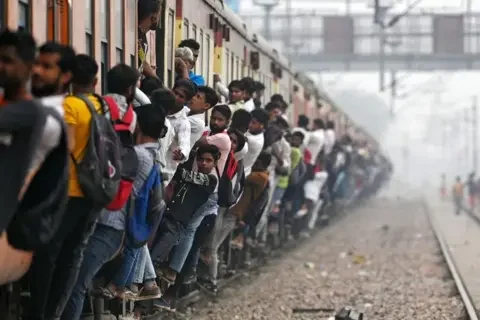
The Machinery of Representation: Delimitation and its Shadow
The core of the emerging political discourse revolves around the 'delimitation dilemma'. This process, constitutionally mandated to occur after each census, recalibrates the boundaries and number of electoral constituencies. Historically, freezes on delimitation were intended to prevent states from being penalized for effective family planning. However, the current push to realign seats based on updated population figures presents a stark contrast, potentially penalizing Southern states for their demographic achievements.
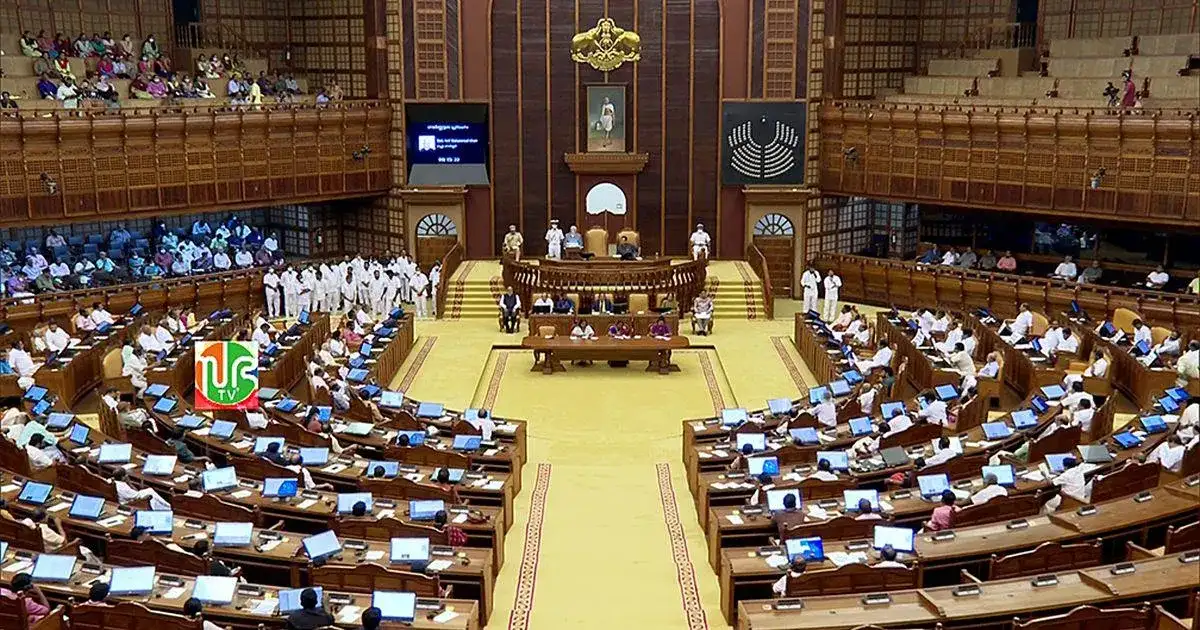
The upcoming parliamentary session, while focused on legislative matters including the women's reservation enhancement, is also seen by some opposition parties, like the Congress, as an attempt to influence upcoming state assembly elections. They have raised concerns about the timing of the session, suggesting it violates the Model Code of Conduct.
The potential recalibration of parliamentary representation has sparked debate, with political scientists warning of a widening North-South divide that could strain India's federal structure. The discussions around increasing Lok Sabha seats are not new, with estimates varying but consistently pointing towards a significant augmentation beyond the current 543. The precise mechanisms and timelines for the delimitation exercise, and its ultimate impact on regional representation, remain subjects of intense political negotiation and public scrutiny.
Read More: Manalur 2026 Election: CPI(M) Leader Murali Perunelly Faces Tough Contest Amidst Political Shifts