TIMMENDORFER STRAND, GERMANY - The protracted and increasingly elaborate attempts to save a humpback whale, dubbed 'Timmy', have concluded with its confirmed death. The whale, discovered dead near the Danish island of Anholt on Friday, May 16, 2026, has been positively identified as the same animal that repeatedly beached itself in German waters since March 23. This final confirmation, provided by Denmark's Environmental Protection Agency on Saturday, May 17, 2026, marks the end of a saga that captivated public attention for nearly two months.
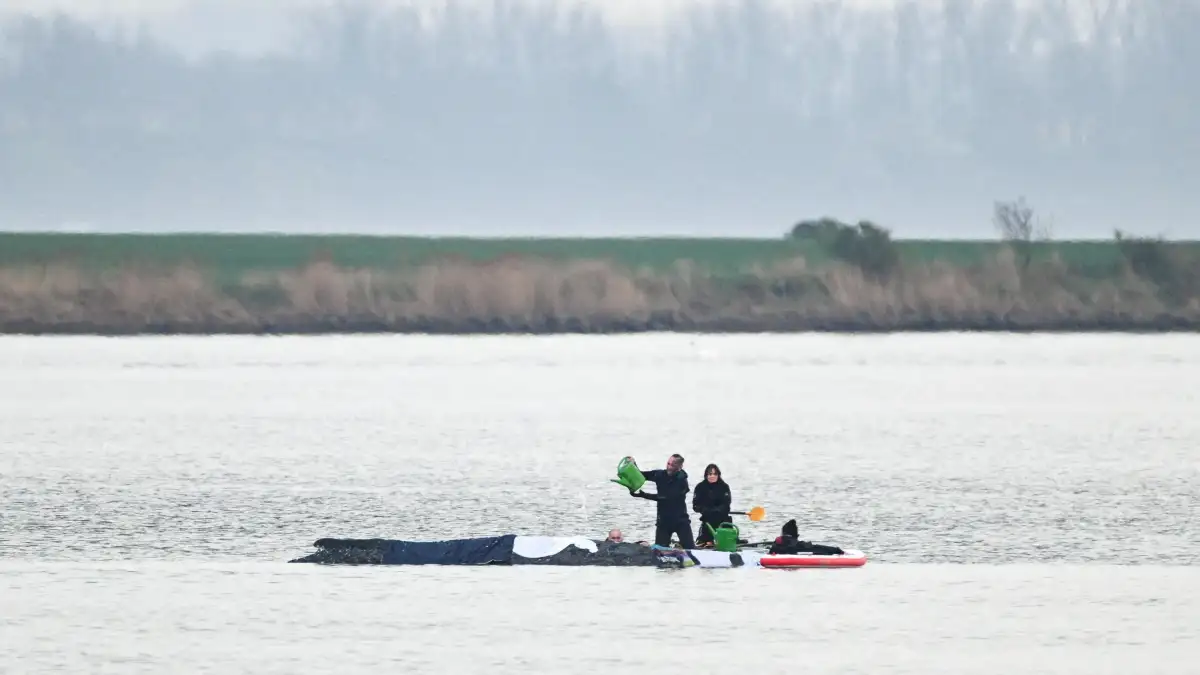
The extensive rescue operation, culminating in the whale being placed on a barge and transported to deeper waters, ultimately failed to preserve its life. The Danish agency used a tracking device found on the carcass to verify its identity. The animal had been stranded on a sandbank in shallow waters near Timmendorfer beach, far from its natural habitat.
Read More: Amazon Land Use Changes Cause Disease Clusters in Brazil
Ministerial Defense of Rescue Attempts
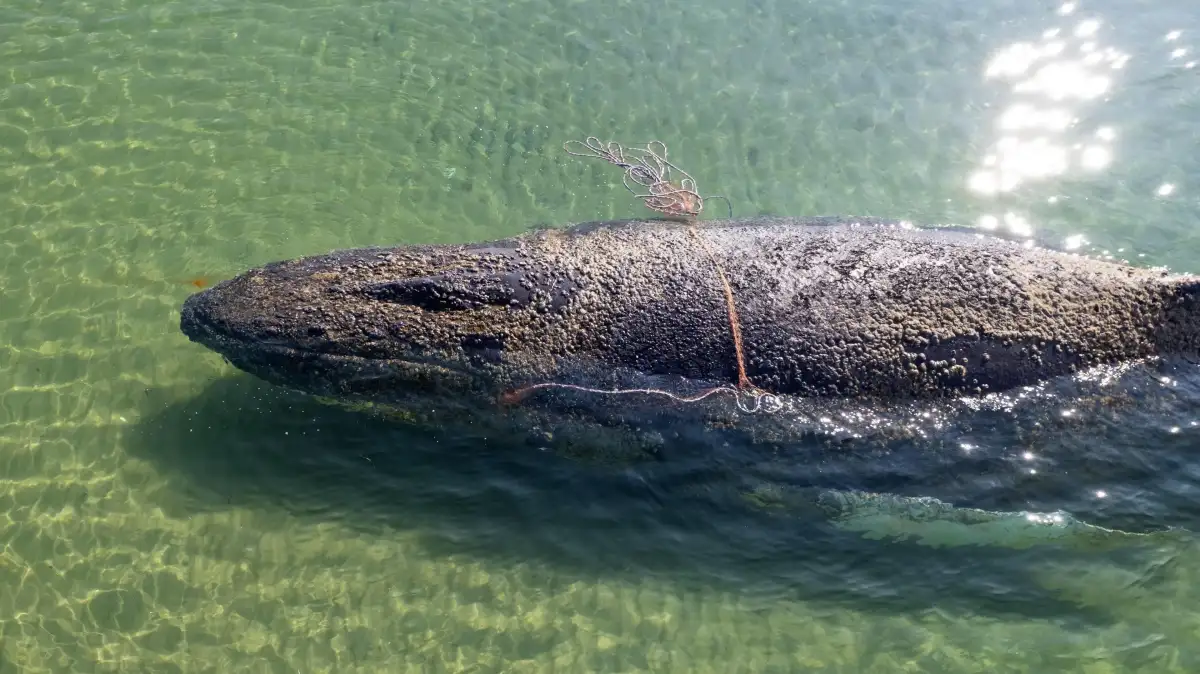
German environment minister Till Backhaus has publicly defended the decision to persist with rescue efforts, even after initial assessments suggested the whale could not be saved. Backhaus described the decision to attempt a rescue as a "perfectly human" response. This stance comes amid reports that, despite the carcass being in public view, some individuals engaged in posing for 'selfies' next to the dead animal, highlighting a bizarre intersection of public fascination and morbid curiosity.
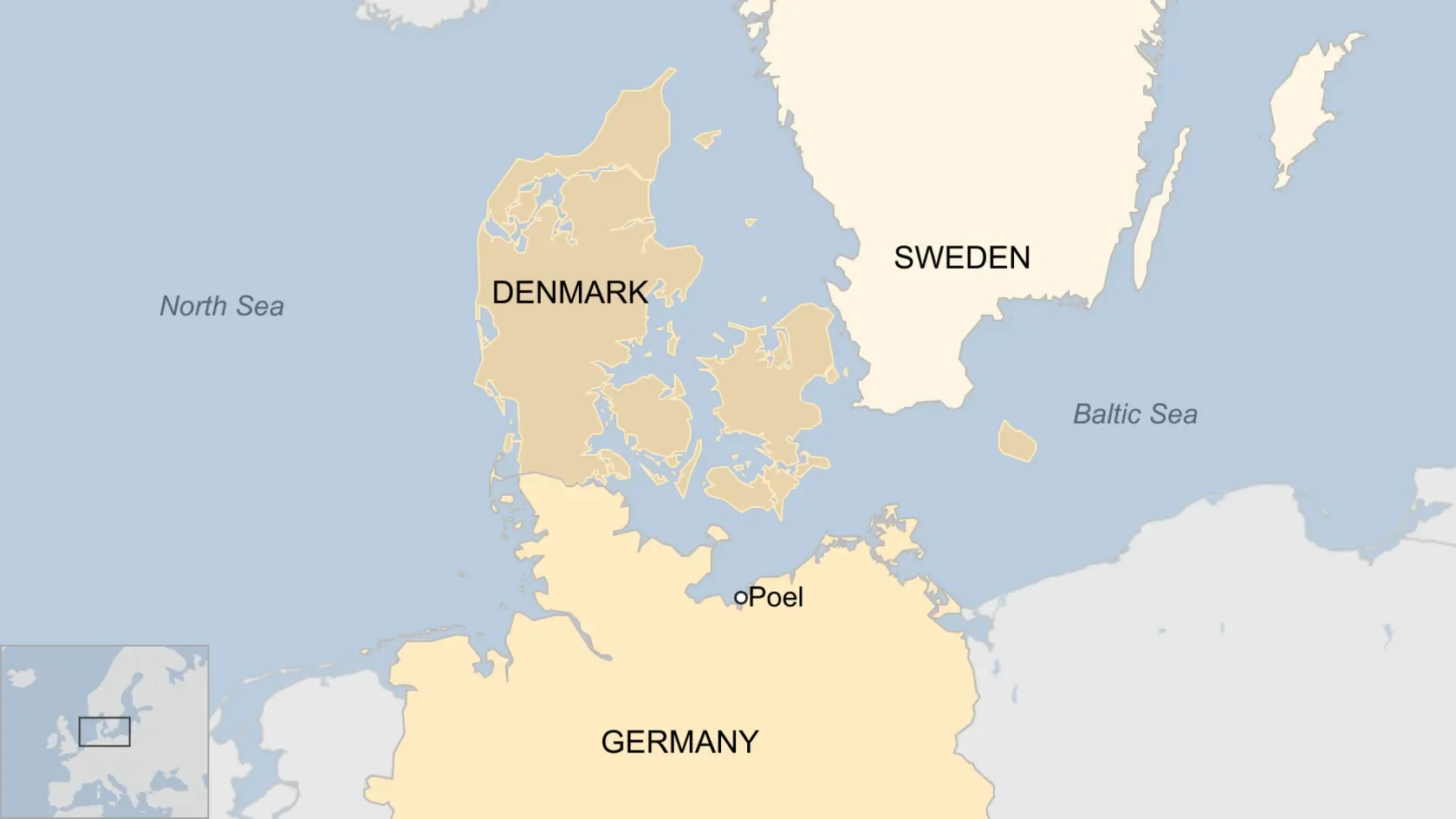
A Series of Unsuccessful Interventions
The whale's struggle began when it was first spotted stranded on March 23, 2026. It managed to free itself at times, only to become re-stranded.
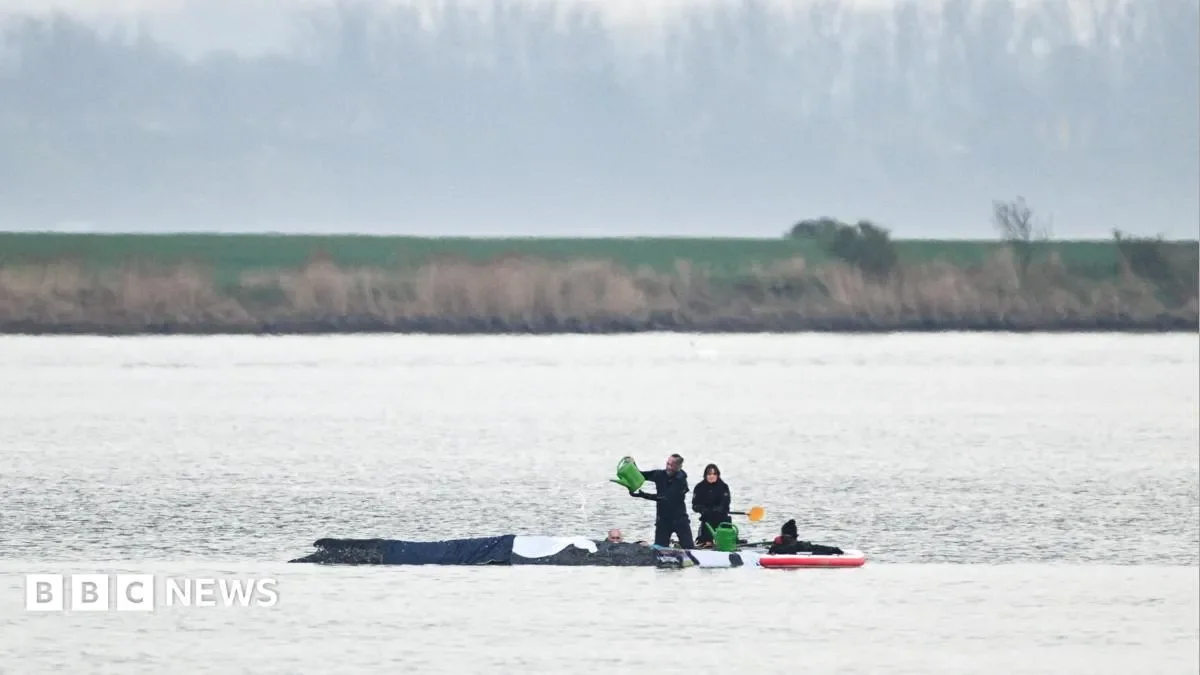
Initial efforts involving air cushions and pontoons proved unsuccessful.
A more ambitious plan emerged, involving private financing, to transport the whale on a specially constructed barge to the North Sea. This operation, which saw rescuers accompanying the whale in the water, was seen as a last-ditch effort.
On May 2, 2026, witnesses reported the whale being released from the barge in the North Sea, with drone footage showing a whale swimming and spouting water. However, it was never definitively confirmed if this was indeed Timmy, and its ultimate fate remained uncertain until the Danish confirmation.
Shifting Strategies and Doubts
As the whale's condition worsened, rescue strategies evolved. The state of Mecklenburg-Western Pomerania had established an exclusion zone around the animal. Even Greenpeace Germany expressed reservations about later rescue attempts, citing the whale's poor health. Nevertheless, officials, including Minister Backhaus, reassessed and opted for less intrusive approaches, leading to the barge operation. The underlying cause for the whale's repeated entry into the Baltic Sea's shallow waters remains unclear, though some scientists theorize it may have been seeking rest due to weakness.
Read More: University of Bonn study shows visual signs boost animal welfare sales