North America sees premature honeybee swarms, raising ecological questions
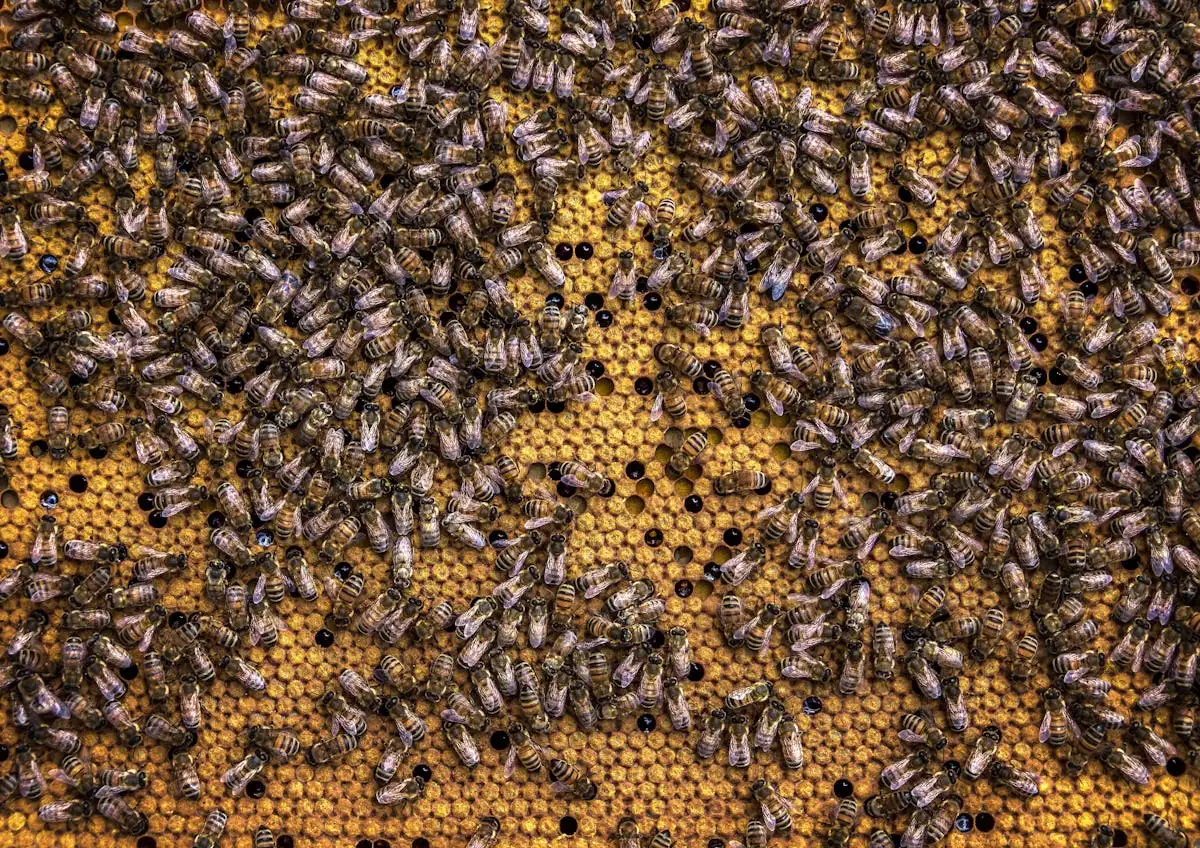
North America is experiencing an unusually early start to honeybee swarm season, prompting apprehension among observers. This phenomenon, where established colonies divide and seek new homes, is now unfolding significantly ahead of typical timelines. The accelerated cycle is forcing beekeepers to re-evaluate established methods for hive management, including colony inspections and preparations for changing floral patterns.
Overcrowding and competition with wild pollinators
The early swarming intensifies existing issues, particularly for wild bee populations. Honeybees, whose numbers are often managed artificially, can outcompete native bees for vital resources like nectar and pollen. This is especially true in areas where food sources are scarce. The increasing pressure on these wild species, which are already facing steep declines, raises significant ecological worries.
Understanding the swarm
Swarming is a natural reproductive process for honeybee colonies. It occurs when a hive becomes overcrowded, leading the original queen to depart with roughly half the worker bees to establish a new residence. The remaining bees then raise a new queen. While often perceived as alarming due to the sheer number of insects involved, these swarms are temporary.
Read More: Amazon Land Use Changes Cause Disease Clusters in Brazil
"This mass of bees will congregate on a tree limb, fence post or on a side of a building near the original hive,” explains an association's advisory. "These bees are homeless wayward travelers and looking for a new place to set up a hive.”
These temporary clusters, though visually imposing, are comprised of bees that are essentially in transit and not typically aggressive. The primary purpose of this behavior is to ensure the survival and propagation of the honeybee colony.
Broader implications for beekeeping and environment
The early onset of swarming season suggests shifts in environmental conditions are influencing bee behavior. This necessitates a critical look at how beekeepers approach their craft. Decisions regarding the timing of hive inspections, preparations for swarm events, and adaptation to altered bloom cycles are all being brought into question. The deviation from historical patterns highlights the dynamic nature of apiculture and its direct link to environmental cues.
Read More: World Cup 2026 travel rules block teams and referees in April 2026