Unresolved Captivities Plague Manipur, Shutdowns Mark Protests
Ten individuals remain untraceable out of a total of 38 abducted, marking a grim continuation of violence and uncertainty in Manipur. These abductions, which affected both the Naga and Kuki communities, occurred in Kangpokpi and Senapati districts. While a majority of those taken hostage have since been released through concerted efforts involving public leaders, civil society organisations, and security forces, the fate of these ten individuals remains a critical concern. The unresolved disappearances underscore the fragility of peace efforts in the region and fuel ongoing community anxieties.
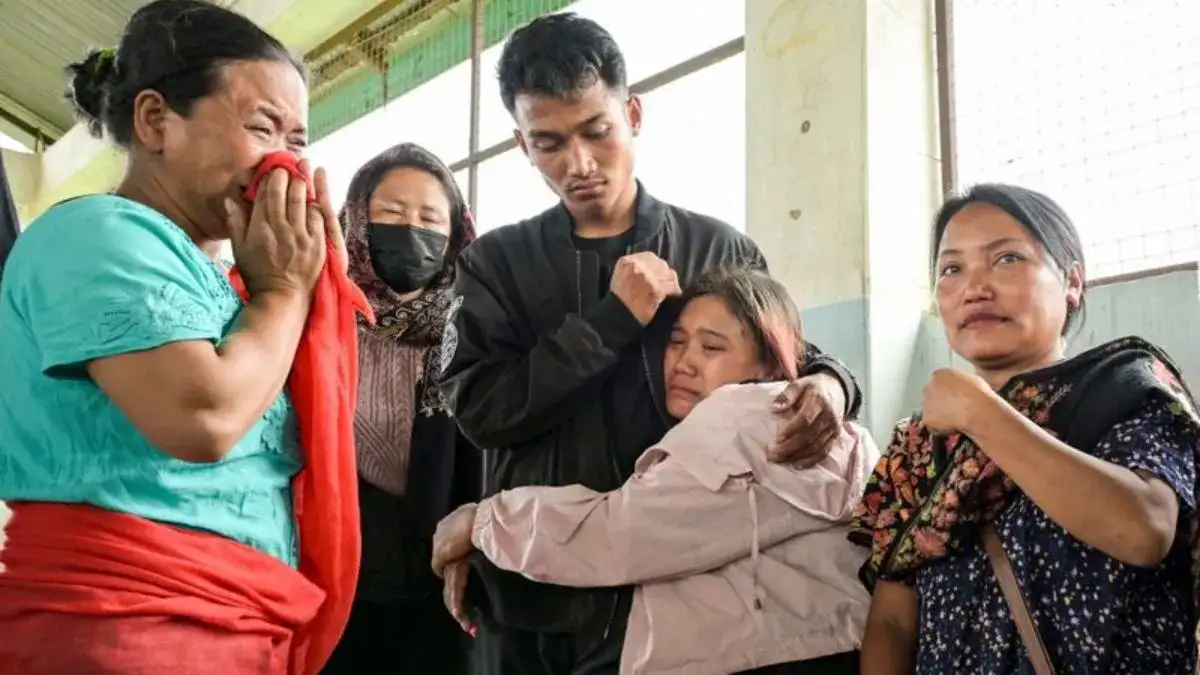
Shifting Numbers, Lingering Questions
Reports indicate varying numbers of those still unaccounted for, with figures ranging from seven to ten individuals. The most recent information suggests seven people remain untraceable, with government officials confirming ongoing talks for their release. These abductions followed a violent ambush on May 13th, which resulted in the deaths of three church leaders and injuries to four others in Kangpokpi. While 31 hostages, including 12 Naga women, were released, the fate of the remaining individuals hangs in the balance.
Read More: David Killick, Beverly Thomson Deaths: Media Stars Gone
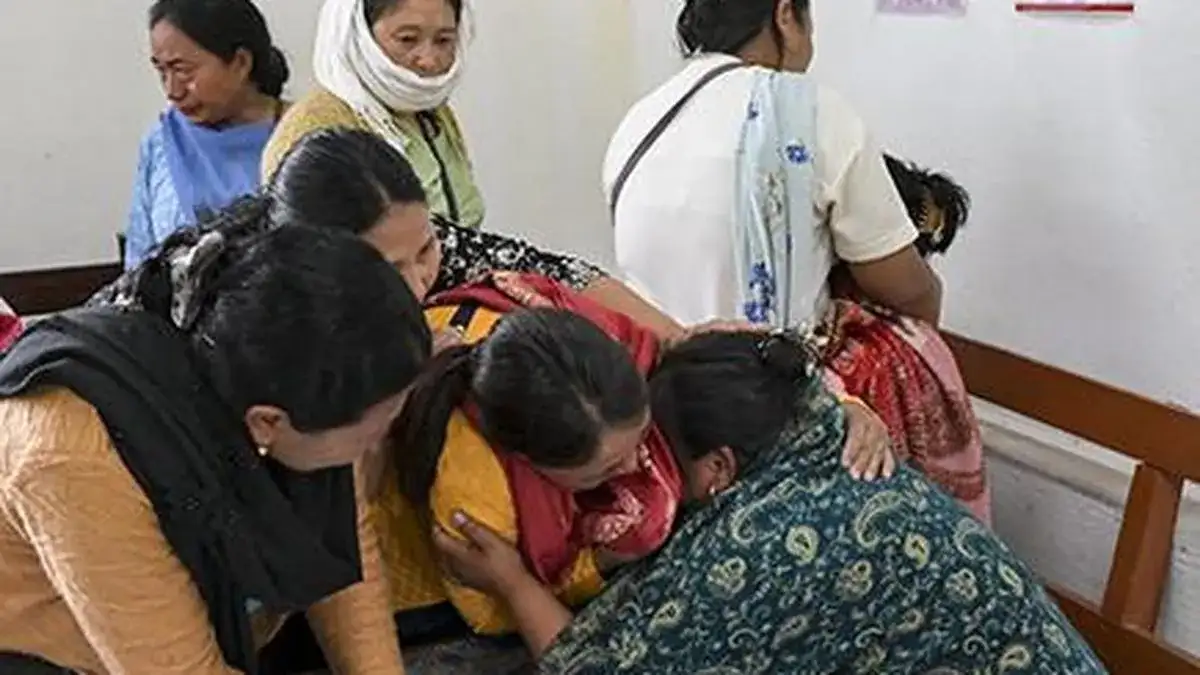
Community Responses and Governmental Action
In response to the escalating violence and unresolved abductions, Kuki groups have initiated shutdowns in several districts, including Kangpokpi, Churachandpur, and Chandel. These actions reflect a deep-seated frustration and demand for accountability. The Manipur Home Minister, Govindas Konthoujam, has acknowledged that more than 38 civilians from the Tangkhul Naga and Kuki communities were either held hostage or remain unaccounted for. He was seen visiting those injured in separate attacks in Kangpokpi and Noney districts, indicating a direct engagement with the consequences of the unrest.

Community Sit-ins and Condemnations
Protests have manifested in various forms, with people from the Kuki and Naga communities holding separate sit-ins in Kangpokpi district to voice their opposition to the abductions. Additionally, a Kuki women’s organisation held a large rally in Churachandpur district to protest the killings of church leaders, demonstrating the widespread impact and diverse reactions within affected communities. The Indigenous Tribal Leaders Forum (ITLF), a Kuki-Zo body, has also strongly condemned the killings, adding to the chorus of dissent and calls for action.
Read More: India IVF Costs And Social Barriers Limit Access In April 2026

Recent Incidents and Ongoing Efforts
The abductions and killings are part of a pattern of escalating tensions. In a separate incident in Noney district, a civilian was killed and his wife injured when unidentified gunmen opened fire on their vehicle. These events follow the freeing of four men and ten women from the Kuki community who were held captive in Senapati district. Efforts are described as "all-out" to ensure the "safe release of the remaining persons," with police statements highlighting the "concerted efforts" of the administration, security forces, political leaders, and civil society organisations in securing the majority of releases.
Read More: How New York City events affect local life in April 2026
Background: A History of Unrest and Calls for Justice
The current situation in Manipur is situated within a broader context of ethnic and political unrest that has plagued the state for an extended period. Past incidents, such as the March 2026 shutdown in Kangpokpi, highlight the recurring patterns of protest and clashes between community groups and security forces. During that period, demonstrators employed methods like catapults against law enforcers, leading to injuries and damaged property, illustrating the intensity of dissent when faced with directives perceived as detrimental to community interests. Furthermore, the reported missing of individuals, such as the 21 Tangkhul Nagas freed in March 2026, and other incidents involving the alleged custody of Kuki cultivators, demonstrate a persistent undercurrent of targeted violence and community displacement. The ongoing situation is further complicated by calls for investigations by agencies like the CBI into specific incidents, reflecting a demand for independent scrutiny and a desire to move beyond local administrative responses. The mention of a deadly attack on a police station and subsequent abductions in Jiribam in August 2025, involving the deaths of militants and civilians, also points to the complex and multi-faceted nature of the conflict.
Read More: Tamil Cinema Loses K. Bhagyaraj and Bharathiraja, Ending An Era