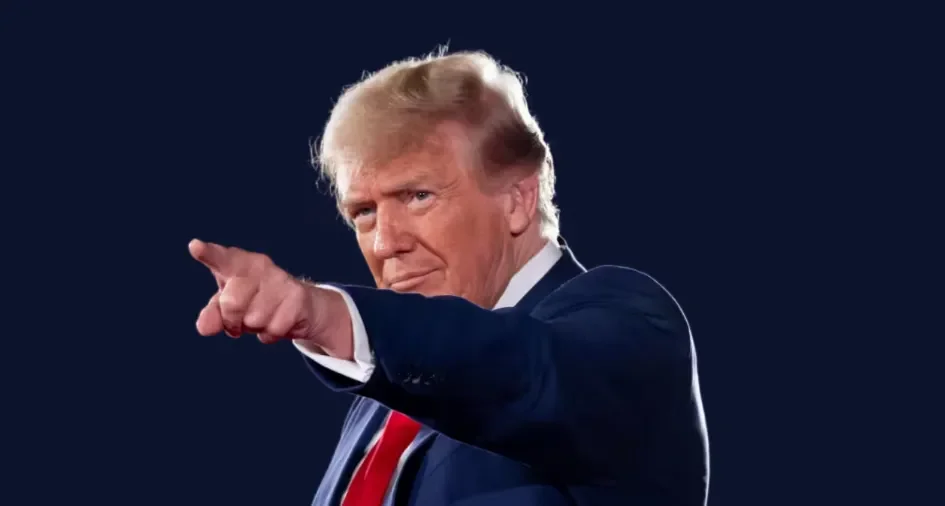
President Donald Trump is changing how the United States handles its relationships with other countries. Instead of relying on career experts from the State Department, he has placed personal friends and high-ranking military officers at the center of international negotiations. This move has created a shift in how the U.S. deals with long-term problems like the wars in Ukraine and Iran. While these new negotiators are working on peace deals, traditional diplomats and allied countries have raised concerns about the breakdown of standard rules. The stakes are high, as these talks continue while military actions and trade disputes stay active.
Timeline and Key Players in the New Strategy
The shift in U.S. strategy became clear between 2025 and early 2026. The administration has moved away from using the State Department for its most important tasks.

The Actors: The main people leading these talks are Steve Witkoff and Jared Kushner. They are described as "generalists" who do not have specific training in the regions they are handling.
The Military Turn: In early 2026, the administration took the unusual step of sending General Michael "Erik" Kurilla (top commander in the Middle East) to nuclear talks with Iran. Army Secretary Gabe Driscoll was also tasked with negotiating an end to the Russia-Ukraine war.
The Events: These changes happen while the U.S. manages a trade war involving tariffs and tensions with the European Union. In 2025, several U.S. allies, including France and Denmark, protested against new U.S. policies.
Evidence of the Diplomatic Shift
The following data points show how the administration has changed its approach to foreign meetings and roles:
Read More: South Australia Election 2024: Labor Wins, One Nation Surges Past Liberals
| Negotiator Type | Key People | Primary Focus | Current Status |
|---|---|---|---|
| Personal Envoys | Steve Witkoff, Jared Kushner | Iran and Ukraine negotiations | Leading high-level talks; roles are not traditional. |
| Military Leaders | Gen. Michael Kurilla, Army Sec. Gabe Driscoll | Nuclear program (Iran); Peace deal (Ukraine) | Active duty leaders now acting as diplomats. |
| Ambassadors | Charles Kushner (France) | U.S.-France relations | Using staff to handle government summons. |
"Placing active-duty military leaders… in diplomatic roles shows how the Trump administration has devalued skilled diplomats." — Eliot Cohen, former State Department official.
The administration is prioritizing personal trust and military expertise over traditional diplomatic training to reach fast agreements.

Military Officers in the Room
The decision to use military leaders for peace talks is a significant change from past years. General Kurilla was sent to talk about Iran’s nuclear program because of his deep knowledge of the region. However, this has led to questions about the role of the civilian government.
Some analysts suggest that having a general at the table allows the U.S. to better check if Iran is telling the truth about its weapons.
Others argue that using military leaders makes every talk feel like a threat of war rather than a search for peace.
Army Secretary Gabe Driscoll’s role in the Ukraine talks is also seen as rare, as the Army’s top civilian leader usually focuses on managing soldiers, not ending foreign wars.
Personal Friends vs. Career Staff
Steve Witkoff and Jared Kushner are the two people the President trusts most for global deals. They are not part of the traditional State Department system.

Because they are not career diplomats, they may not follow the old "rules" of how countries talk to each other.
This has caused confusion among U.S. allies. For example, in France, Ambassador Charles Kushner did not attend a meeting he was called to by the French government. Instead, he sent a staff member.
This "outsider" approach is designed to move faster than the usual government process, but it can also lead to misunderstandings with long-term partners.
Friction with European Allies
The new style of talking to other countries has caused some stress with friendly nations. In 2025, governments in France and Denmark issued official protests.
In France, the U.S. Ambassador criticized the government publicly regarding social issues, which is not common for a diplomat.
In Denmark, the U.S. has pressured the government over issues in Greenland, even suggesting a change in how that territory is managed.
Probing Question: Could the use of public pressure instead of private talks be a strategy to force allies into accepting new trade tariffs?
Expert Analysis
Experts are divided on whether this "diplomacy without diplomats" will work.
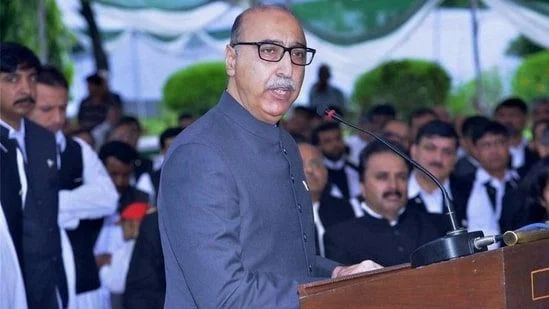
K.P. Nayar, a long-time diplomatic observer, notes that Jared Kushner and Steve Witkoff act as direct extensions of the President’s will, which can make decisions happen quickly. However, Eliot Cohen warns that this relies too much on the military to solve problems that usually require a softer touch. Singh, an expert on the Middle East, points out that while Witkoff and Kushner are generalists, they rely on military figures like General Kurilla to handle the technical details of nuclear weapons.
Read More: Former Pakistan Envoy Says Pakistan Would Bomb Mumbai, Delhi If Attacked
Conclusion and Findings
The investigation into the current U.S. diplomatic strategy shows three main findings:
A New Chain of Command: The State Department has been bypassed in favor of a small group of personal associates and active military leaders.
Focus on "The Deal": The administration is using loose deadlines and direct pressure, such as tariffs, to move negotiations forward in Iran and Ukraine.
Allied Tension: Traditional allies are finding it harder to talk to the U.S. through normal channels, leading to more public disagreements.
The next steps will likely depend on whether these negotiators can deliver a final agreement on the Iran nuclear program or a ceasefire in Ukraine. For now, the U.S. is operating with a system where personal loyalty and military rank are more important than traditional diplomatic experience.
Read More: Tamil Nadu Election: DMK offers 5 seats to CPI(M) causing alliance worry
Sources Used
CNN Politics: As Iran talks drag on, questions emerge over how long Trump will indulge diplomacy - Context on Iran deadlines and previous military strikes.
The Conversation: How the Trump administration changed the rules of international diplomacy - Details on Ambassador Charles Kushner and protests in France/Denmark.
AP News: Trump turns to US military leaders for diplomatic efforts on Iran and Ukraine - Information on Gen. Kurilla and Sec. Gabe Driscoll.
News War: Trump Bets on Diplomacy Without Diplomats - Insights on the roles of Witkoff and Kushner in ongoing peace talks.
Economy.ac: Trump’s Diplomatic Crisis - Reporting on tariff impacts and tension with the European Union.