The Unspoken Gripes of the Hospitality Underclass
"We want to please guests but have limitations."
The everyday interactions within hotel rooms, often perceived as trivial by those paying for the service, reveal a complex web of unarticulated frustrations for the staff tasked with maintaining these spaces. Behaviors that guests consider harmless, even thoughtful, can in fact generate significant friction for hotel employees, disrupting workflow and undermining perceived efficiency. While guests might believe their actions, such as reusing towels or tidying their own trash, are acts of environmental consciousness or tidiness, these practices can complicate cleaning processes and require additional, unseen effort from housekeepers.

Asking housekeepers for access to locked rooms, no matter how urgent the guest perceives the need, is a point of contention. Staff maintain that such issues are the purview of the front desk, suggesting a fundamental misunderstanding of operational boundaries.
The practice of guests stripping beds before departure, while seemingly helpful, is also cited as an annoyance, adding an unexpected step to the cleaning routine.
Leaving half-empty beverages scattered across surfaces presents a minor, yet persistent, hurdle during cleaning.
The presence of unannounced extra guests strains room capacity and potentially violates hotel policies, creating administrative and logistical headaches.
Rudeness directed at staff, a consistent theme across observations, is presented not merely as bad manners but as a specific grievance that impacts the working environment.
Appreciated Gestures and Operational Realities
Amidst the list of guest annoyances, certain actions are noted as genuinely positive.
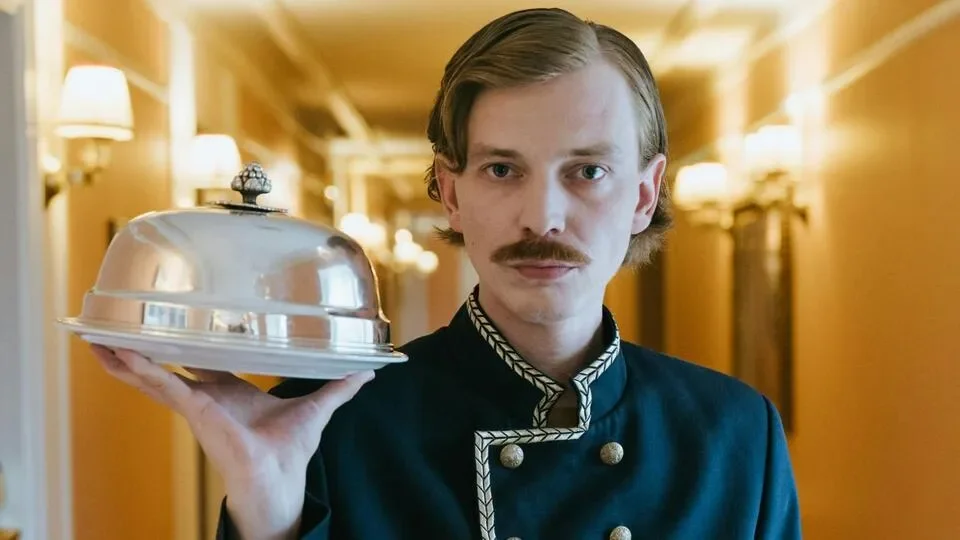
"Staff remember kind guests who take two seconds to say thanks."
Guests who engage with 'green initiatives' receive a nod of approval, suggesting that participation in sustainability programs is noticed and valued.
Simple expressions of gratitude, even brief ones, leave a favorable impression on stressed personnel.
Remaining calm during peak service times is highlighted as a trait that positively distinguishes guests from the general fray.
The logistics of room access are particularly emphasized. While guests might assume a housekeeper can unlock a room in their absence, staff insist the front desk is the only avenue for resolution. This distinction points to security protocols and departmental responsibilities that guests may not readily consider. The notion that "same last names, texts or promises do not count" underscores the need for formal check-in procedures and an adherence to established rules.
Read More: Margaret River Named World's Best Wine Place
Background: The Illusion of Service and the Reality of Labor
These observations emerge from a pattern of reporting that critiques the assumed guest-host dynamic. Often, guests operate under the assumption that their payment confers a degree of flexibility, bending established policies. The material suggests that what guests perceive as reasonable requests or helpful actions can, in reality, be disruptive forces within the intricate machinery of hotel operations. The disparity between guest perception and staff experience reveals a gap in understanding concerning the labor involved in hospitality services, a gap that often results in minor, yet accumulating, grievances for those on the front lines.
Read More: Pubs in England and Wales Open Until 5 AM for World Cup Match