
A growing number of people are entrusting their domiciles to unknown entities in exchange for lodging elsewhere, a practice that promises altered travel experiences and potential financial reprieve. This unconventional approach to holidaying, often facilitated by online platforms, allows individuals to inhabit another's residence while relinquishing theirs to a counterpart. Such exchanges can range from simultaneous, reciprocal stays to arrangements involving delayed occupancy or even a points-based system where hosting accrues credits for future stays.

The core appeal appears rooted in an altered perception of travel. Rather than the curated detachment of conventional accommodations, home swapping offers an immersive, if unsettling, alternative. Participants describe a sense of comfort and expansiveness exceeding that of typical hotel rooms, fostering a desire to linger and engage more deeply with a location. This immersion is framed as an opportunity to "live like a local," diverging from the transactional nature of hotel bookings.
Read More: Margaret River Named World's Best Wine Place

However, the very intimacy of the exchange introduces layers of complexity. Inviting strangers into one's private space, the repository of personal habits and possessions, carries inherent risks and demands a considerable leap of faith. While platforms often provide support mechanisms, such as assistance with alternative arrangements should things falter, the foundational premise hinges on mutual trust and careful vetting. Issues such as potential damage, unexpected disruptions like construction on a street, or even the more mundane aspects of ensuring one's home is properly maintained during an absence, loom as significant considerations.
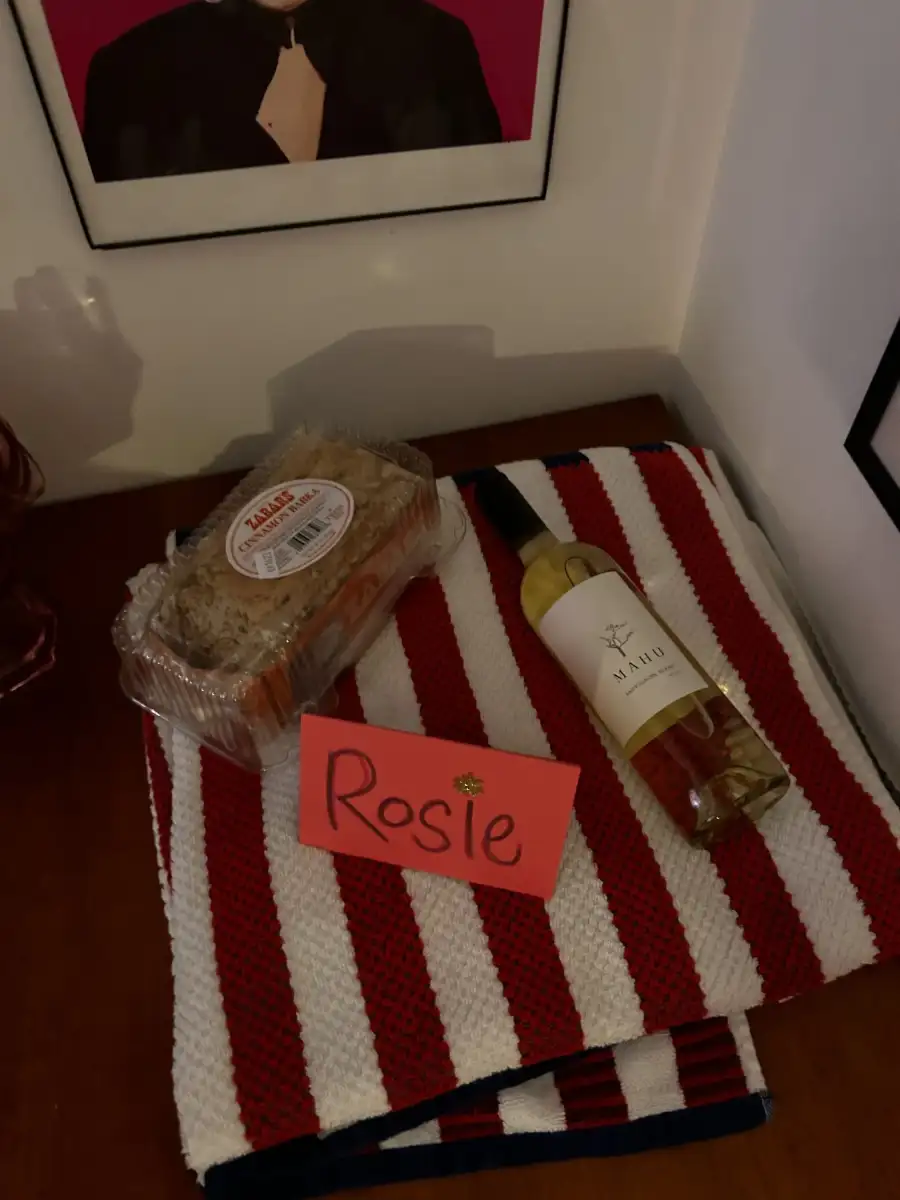
The mechanics of these arrangements necessitate flexibility and explicit agreement. While simultaneous swaps are common, asynchronous exchanges, where occupants visit at different times, are also employed. The duration of stays is not rigidly defined but contingent on mutual accord between the parties involved. Some platforms operate on an annual membership model, granting access to listings and member interactions.
Read More: What guests notice when entering your home in April 2026

Beyond the experiential aspect, financial incentives are frequently cited. The potential to bypass accommodation costs entirely, or at least significantly reduce them, is a considerable draw. This can translate into substantial savings over time, with some individuals reporting savings in the tens of thousands of pounds. Furthermore, the use of points accrued from hosting can offer a flexible means to fund future travels, decoupling the timing of hosting from the timing of one's own journeys.
The rise of this trend has been noted, with some platforms experiencing notable growth, particularly in the post-pandemic era. Specialized services cater to specific demographics, such as senior travelers, broadening the reach and accessibility of home exchange. The types of properties involved are diverse, encompassing everything from modest city apartments to expansive rural retreats and luxury villas.
Read More: Belagavi and Goa Forests Closed Until Monsoon Ends
Fundamentally, the practice of home swapping involves a degree of negotiation and shared understanding, with communication deemed critical for successful exchanges. The design and character of a home can even play a role in the decision-making process between potential swappers. Before engaging in such exchanges, a thorough review of home insurance policies to confirm coverage for non-owner occupancy is advised, as is seeking explicit permission from landlords if one is renting their dwelling. The very idea of relinquishing control over one's personal environment to others, for however brief a period, remains a point of contention and fascination.
BACKGROUND: A GLOBAL SHIFT IN TRAVEL DECISIONS
The concept of 'home exchange' or 'house swapping' involves individuals agreeing to temporarily inhabit each other's residences. This practice, often facilitated through dedicated websites and membership platforms, has seen a resurgence and growing popularity. These platforms typically function by allowing users to list their homes, making them available to other members.
Read More: Cliff Richard's Private Life: Public Still Asks About His Sexuality
Key Mechanisms:
Simultaneous Swaps: Both parties vacate their homes and occupy the other's residence at the same time.
Non-Simultaneous Swaps: Participants agree to occupy each other's homes at different, pre-arranged times.
Points Systems: Some platforms utilize a credit or points system. Members can earn points by hosting others, which can then be redeemed for stays in other members' homes, offering greater flexibility in scheduling.
Membership Fees: Many platforms require an annual membership fee to access listings and connect with other users.
Motivations and Perceived Benefits:
Cost Savings: Eliminating accommodation expenses is a primary driver, allowing travelers to allocate more resources to experiences or extend their trips.
Authentic Travel Experiences: Proponents argue it allows for deeper immersion into local culture and a more authentic living experience than traditional tourism.
Space and Comfort: Swapping often provides access to larger, more fully equipped homes compared to hotel rooms, potentially benefiting families or longer stays.
Considerations and Potential Drawbacks:
Trust and Security: Allowing strangers access to one's home and residing in an unknown environment raises concerns about personal safety and property security.
Home Insurance: Travelers must verify that their home insurance policies cover third-party occupancy.
Landlord Permission: Renters typically require explicit permission from their landlords to sublet or arrange a home swap.
Vetting and Communication: Successful swaps rely heavily on clear communication, mutual respect, and adequate vetting of potential exchange partners.
Logistical Challenges: Coordinating schedules, ensuring home preparedness, and handling unexpected issues can be complex.
Platforms like HomeExchange, Love Home Swap, Homelink, Intervac Home Exchange, and Home Base Holidays are prominent in this sector, offering varying membership structures and service offerings. The practice is not confined to property owners, as some arrangements might include rental properties, though this often requires explicit agreement with the landlord.