U.S. PRESIDENT'S ULTIMATUM FOLLOWS INTENSIFIED REGIONAL EXCHANGES
Donald Trump has issued a stark 48-hour ultimatum to Iran, demanding the immediate reopening of the Strait of Hormuz to shipping. Failure to comply, Trump stated via his Truth Social platform, will result in the "obliteration" of Iran's power plants, "starting with the biggest one first." This declaration arrived as Iran engaged in what reports described as its "most destructive attack yet" on Israel, with missiles striking towns in the south and triggering air raid sirens in Jerusalem.

The exchange escalates a conflict already in its fourth week, significantly impacting global energy supply routes. Shipping traffic through the Strait of Hormuz, a critical chokepoint through which roughly a fifth of the world's oil and gas passes during peacetime, has effectively ceased. Iran has vowed to keep the waterway closed to "enemy ships," contributing to soaring oil prices and market volatility.
Read More: Pope Leo XIV criticizes global war, White House responds to Vatican
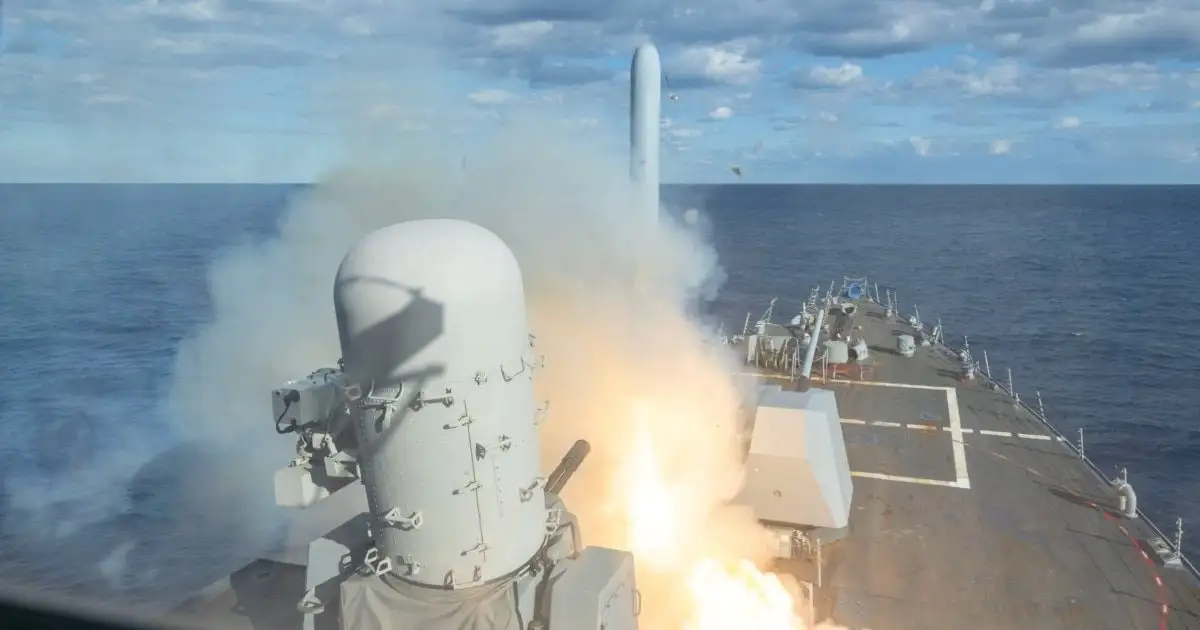
ISRAELI AND IRANIAN COUNTERSTROKES INTENSIFY
The American president's threat follows a significant missile barrage from Iran into southern Israel, reportedly injuring over 100 individuals and necessitating medical treatment for some 175. Iran’s Islamic Revolutionary Guard Corps (IRGC) stated that the strike on Dimona was in retaliation for Israeli actions against its Natanz nuclear facility, though Israeli authorities denied responsibility for that specific strike while acknowledging an attack on a Tehran university facility allegedly involved in nuclear weapon component development for Iran's ballistic missile program.
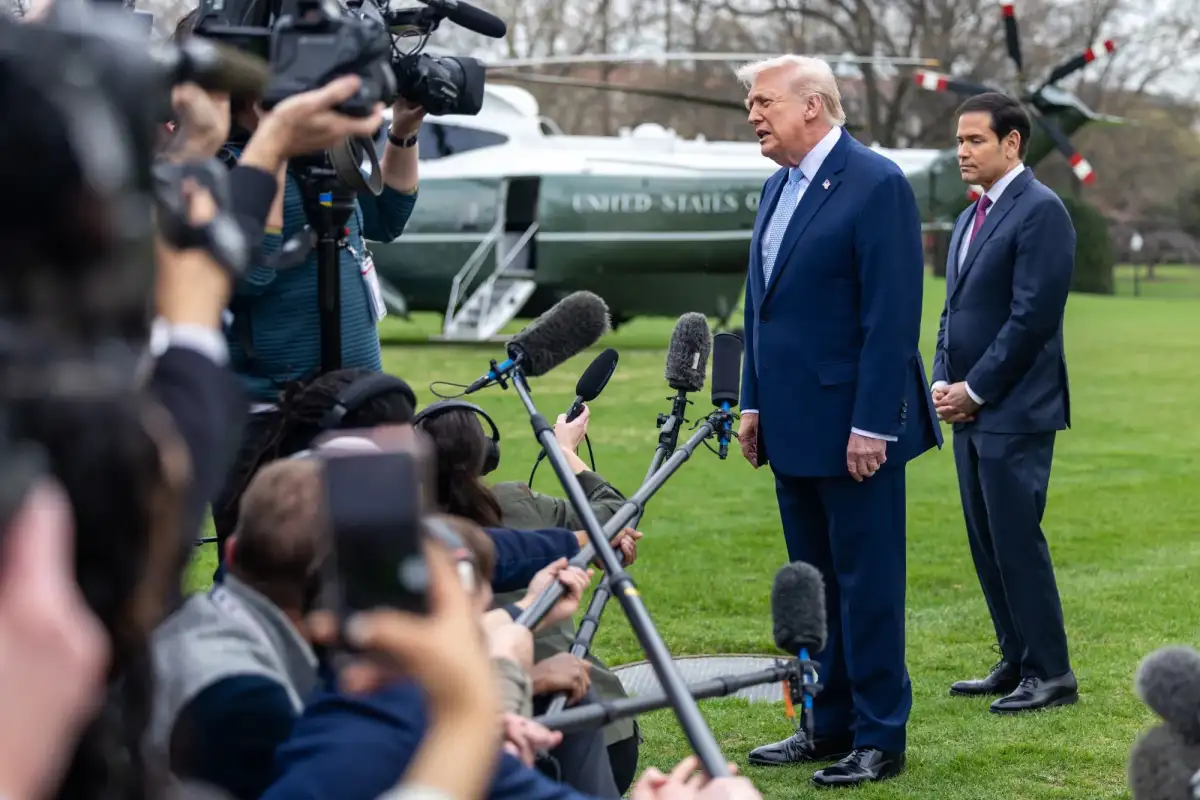
In parallel, the Iran-backed Hezbollah group claimed responsibility for attacks on Israeli soldiers in northern Israel. The United Arab Emirates also reported aerial attacks, issuing a warning to Iran against conducting strikes from disputed islands near the Strait of Hormuz.

INTERNATIONAL ALLIES BALK AMID RISING TENSIONS
Trump's call for allied assistance in securing the Strait of Hormuz has been met with resistance. Reports indicate that efforts to enlist U.S. allies in reopening the passage have been "largely rebuffed," with NATO members reportedly hesitant to commit to minesweeping operations. Japan has indicated it might consider military deployment for minesweeping only if a ceasefire is achieved. Trump has publicly criticized NATO, labeling them "cowards" for not assisting in resolving the high oil prices they are forced to pay.
Read More: US Patriot Missile Likely Caused Bahrain Blast on March 9th, New Study Says
Despite these hesitations, a number of countries have signaled a "readiness to contribute to appropriate efforts to ensure safe passage" through the strait.
IRAN'S REPLIES AND CONTEXT OF THE CONFLICT
Tehran has responded to Trump's ultimatum by warning that any attack on its energy plants would provoke retaliatory strikes on U.S. and Israeli energy and infrastructure facilities. The IRGC further stated that a U.S. strike on Iran's power plants would lead to the complete closure of the vital shipping channel.
The United States has previously stated it has "crippled Iranian threat[s]" in the Strait of Hormuz. Trump's ultimatum was issued days after he suggested he was considering "winding down" U.S. military operations in the Middle East, a sentiment contrasted by Israeli Defense Minister Israel Katz's vow to "intensify significantly" joint military campaigns. The current conflict is entering its fourth week.
Read More: Trump Warns Iran: Attack Energy, Water if Strait of Hormuz Closed
The paralyzed shipping in the Strait of Hormuz has direct implications for global energy markets, affecting nations heavily reliant on Middle Eastern resources like China and Japan, even as the U.S. navigates its own domestic production and reduced reliance.