President Donald Trump has issued a categorical ultimatum to the Iranian government: cease regional hostilities and reopen the Strait of Hormuz or face the systematic destruction of Iran’s vital energy and water infrastructure. The threat, broadcast across various digital channels, explicitly identifies power grids, oil wells, the Kharg Island export terminal, and water desalination facilities as primary targets for potential military strikes.
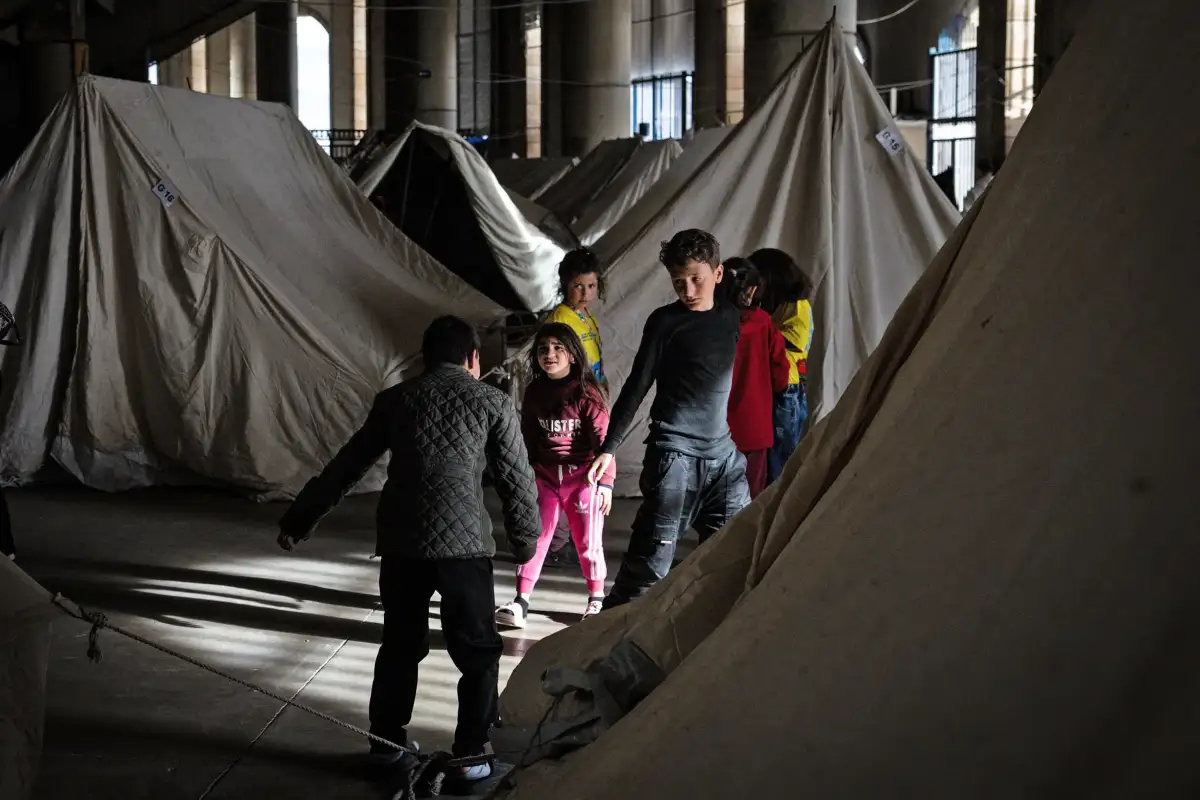
Iran has responded by declaring that any such strike on its internal energy grid would trigger a symmetrical response against critical infrastructure across the wider Gulf region.
The Islamic Revolutionary Guard Corps (IRGC) has signaled its intent to initiate a total closure of the Strait—a primary global artery for petroleum shipments—should the U.S. follow through on the threat.
Diplomatic channels remain gridlocked, with Tehran dismissing the U.S.-led 15-point peace proposal as "excessive" and "unrealistic," particularly regarding demands to abandon its nuclear program.
| Core Objective | U.S. Stance | Iranian Response |
|---|---|---|
| Strait of Hormuz | Demands immediate reopening | Threatens total closure |
| Energy Grid | Threatened with "obliteration" | Threatens regional infrastructure |
| Peace Terms | Demands 15-point compliance | Deems demands "unreasonable" |
Strategic Destabilization and Market Reaction
The prospect of an expanded conflict has induced extreme volatility in global markets. Energy prices are tracking for record monthly increases as investors calibrate the risk of a full-scale ground operation targeting Kharg Island, which currently facilitates approximately 90% of Iran’s crude exports. While the White House continues to suggest that a diplomatic window remains open, the administration’s rhetoric oscillates between declaring the conflict nearing an end and intensifying the scope of potential punitive actions against civilian-adjacent infrastructure.
Read More: Iran's New Missiles and Hidden Weapons: What You Need to Know
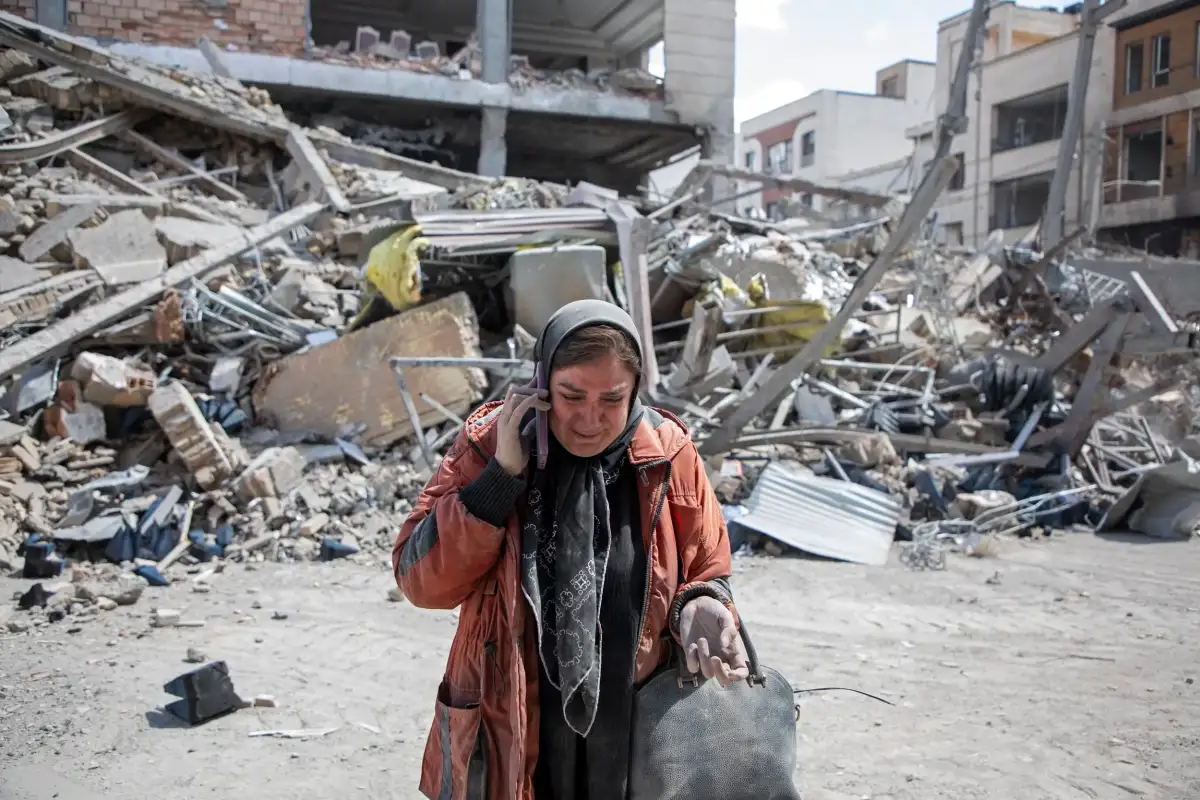
The Legal and Humanitarian Framework
The explicit threat to target water desalination plants has drawn condemnation from international legal observers and human rights entities. The targeting of civilian-reliant infrastructure, even under the guise of military necessity, is flagged as a potential breach of international humanitarian law.
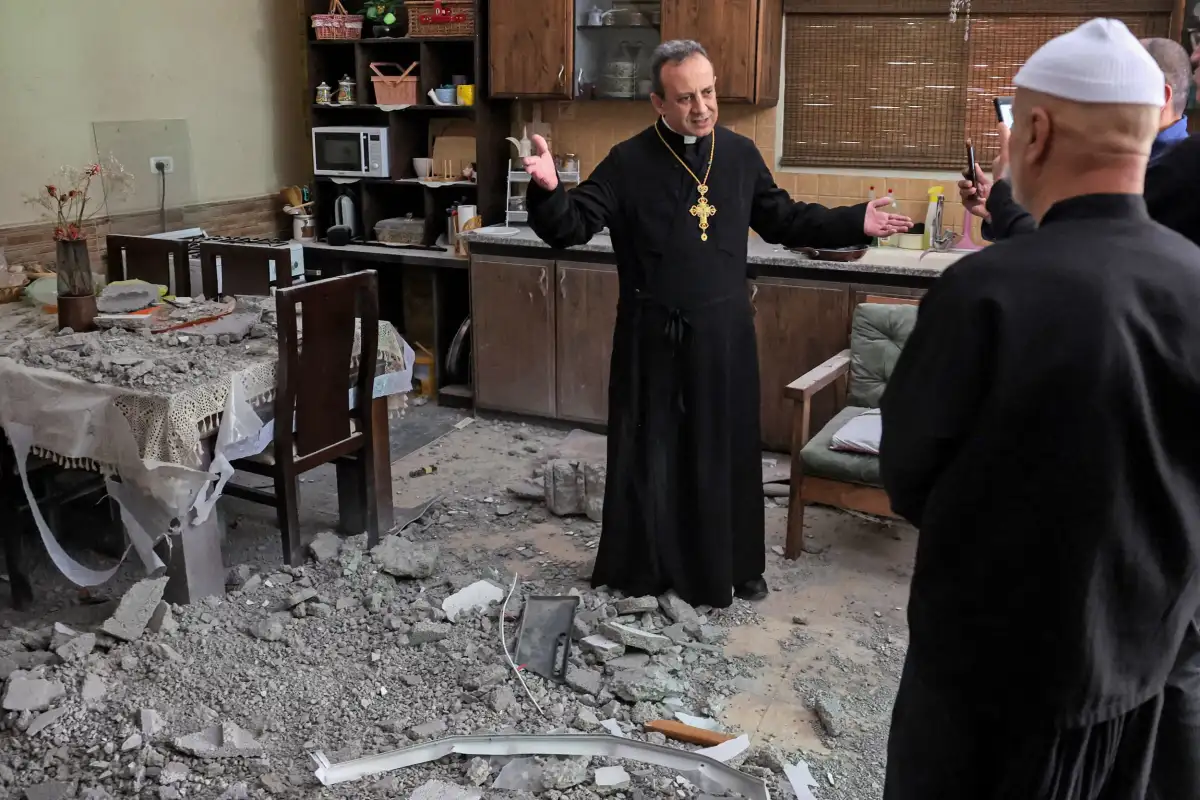
Critics argue that the move represents a departure from traditional military targeting doctrines, shifting the focus of modern warfare from strategic defense to the complete economic and survival-based debilitation of the opposing population. General Wesley Clark and various legal scholars have noted that such actions would likely meet the criteria for War Crimes, potentially escalating a localized conflict into a sustained humanitarian catastrophe.
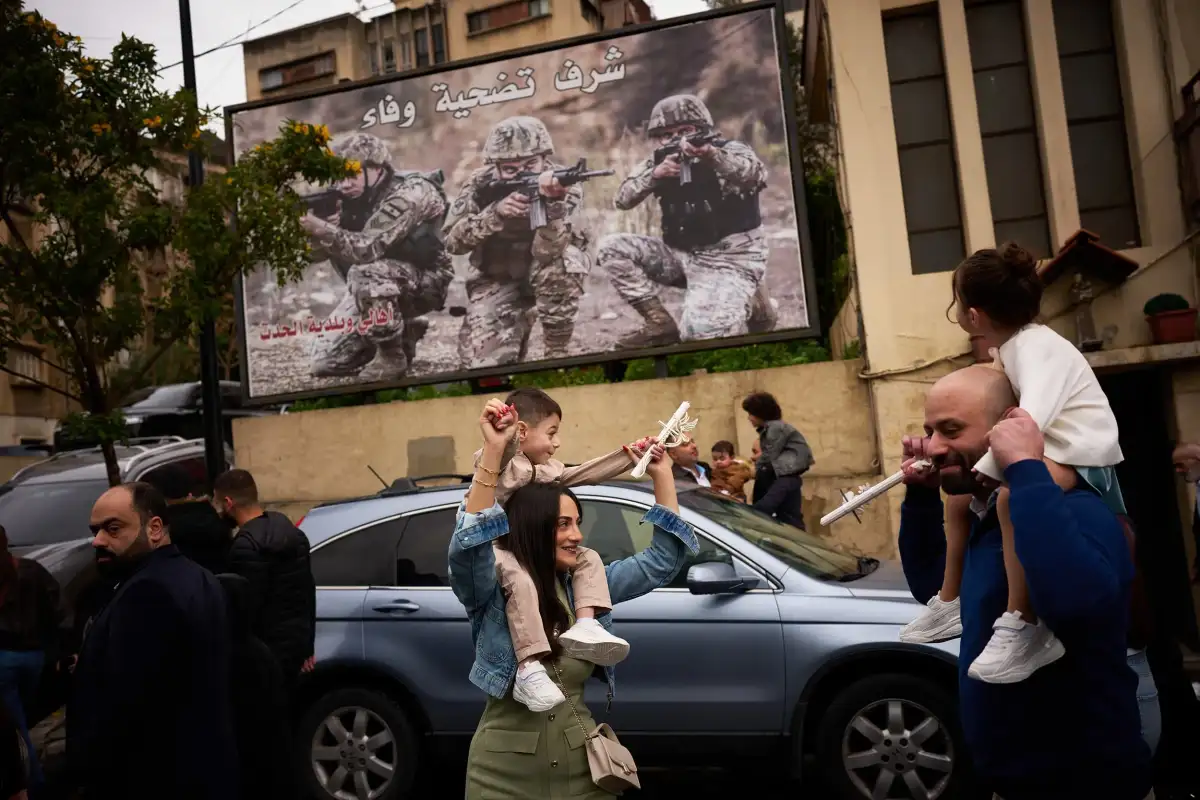
Regional Contagion
The theatre of conflict continues to widen, pulling neighboring actors into the cycle of escalation:
Lebanon/Israel: The IDF has intensified ground maneuvers in the Bekaa valley, resulting in civilian evacuation orders and reports of journalist casualties.
Yemen: Iranian-backed Houthi forces have commenced missile operations against Israeli targets, effectively opening a new front.
NATO/Turkey: Intercepted missiles within Turkish airspace indicate the increasing difficulty of containing the fallout from the U.S.-Iran confrontation, as defensive systems are strained across the Eastern Mediterranean.
As of Monday, the administration maintains a "four-to-six week" timeline for a resolution, a metric that appears increasingly disconnected from the ground realities of the widening Persian Gulf crisis.
Read More: Iran sees advantage in long conflict as US and Israel differ on war end