Layers of Time Clash in Urban Design
The ongoing debate about how to shape our cities pits the impulse to build anew against the imperative to preserve the past. This isn't just about aesthetics; it's a fundamental tension playing out across urban landscapes globally. Cities, by their very nature, accumulate layers of human experience, a process some historians liken to a 'palimpsest' – where older imprints remain faintly visible beneath contemporary constructions. This dynamic is currently being intensified by factors like urban sprawl, rapid technological advancement, and economic shifts, all of which strain conventional city planning paradigms.
The fundamental question for urban development: Do we raze and rebuild, or do we meticulously layer the new onto the old?
Scraping the Slate Clean
Proponents of building from scratch often cite the potential for streamlined efficiency and modern functionality. Such approaches can, in theory, sidestep the complexities and costs associated with retrofitting existing structures or navigating historical preservation regulations. This approach allows for the unhindered implementation of contemporary urban planning ideals, unburdened by the physical and conceptual weight of what came before.
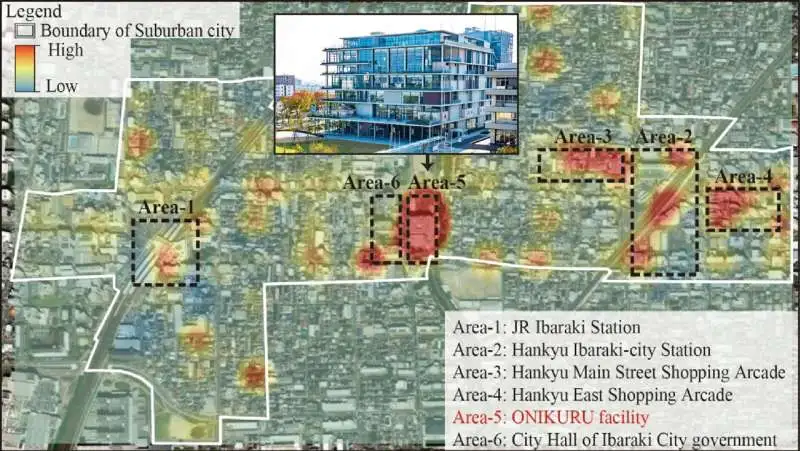
Read More: How Onikuru facility in Ibaraki City changes local visit habits in 2026
Honoring the Echoes of the Past
Conversely, the argument for preserving historical urban fabric emphasizes the 'living archive' aspect of cities. This perspective posits that the built environment is a tangible repository of collective memory and cultural identity. To erase this is to risk severing connections to heritage and the narratives that define a place. Strategies here involve adaptive reuse of existing buildings and integrating new developments in a way that complements, rather than overwrites, the historical context.
A Hybrid Approach: Hiroshima's Example
Some cities have sought a middle path. A notable illustration is Hiroshima, which after its devastating destruction, had to rebuild. Its reconstruction wasn't a complete abandonment of its past nor a rigid adherence to historical forms, but a complex blend of memorialization, modernization, and forward-looking urban design. This suggests that a nuanced, site-specific approach might offer a more sustainable and resonant model for urban evolution.
Read More: Junji Ito Live-Action TV Shows Replace Anime on April 7 2026