Deep Beneath Japan's Waves, a Quiet Build-Up Emerges
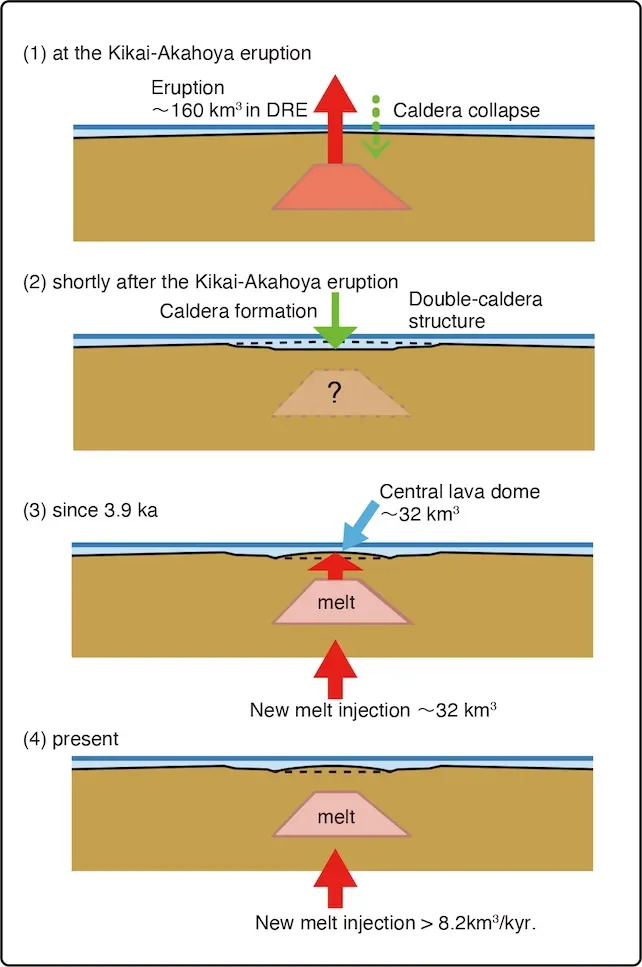
Scientists report the magma chamber beneath Japan's Kikai caldera is slowly refilling. This process, occurring over seven millennia after a colossal eruption that created the caldera, has reignited discussions about eruption cycles and the potential for future activity at this immense volcanic system. The findings, published in Communications Earth & Environment, offer a potential model for understanding how magma reservoirs beneath such giant calderas replenish themselves over geological timescales.
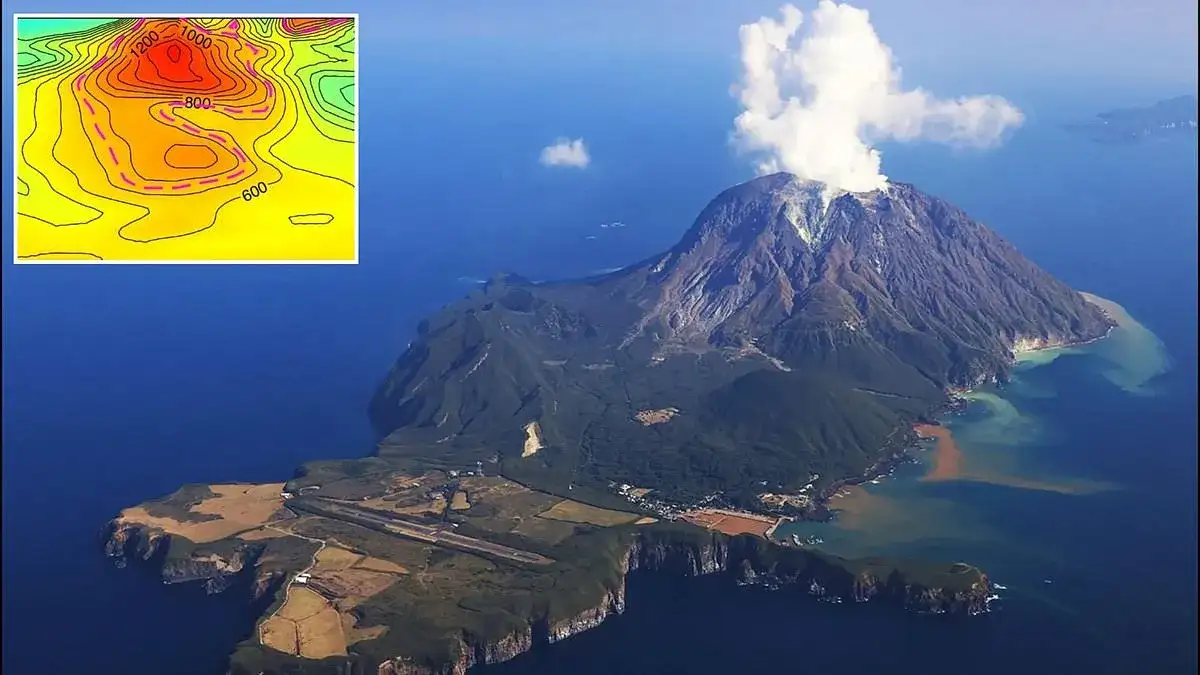
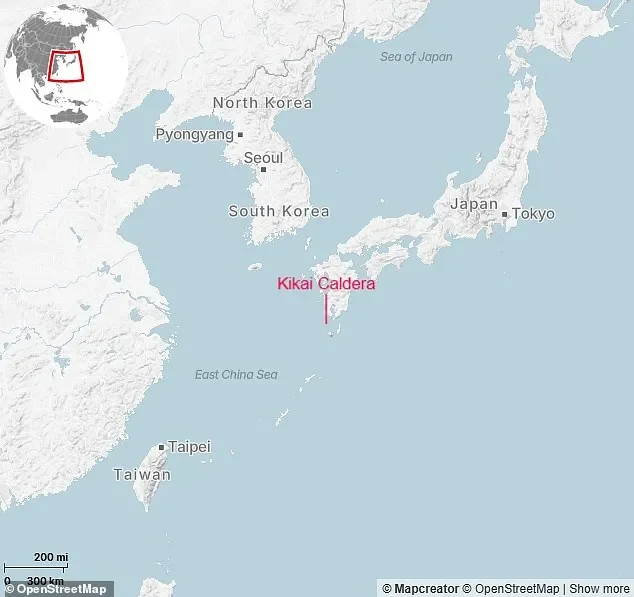
The Kikai caldera, the site of the largest known eruption of the Holocene epoch approximately 7,300 years ago, is now exhibiting signs of magma re-injection into its substantial underground reservoir. This renewed accumulation is not merely residual material from the ancient event but suggests a new influx of molten rock. Researchers suggest this ongoing process may shed light on the mechanics of supervolcanoes and aid in predicting their behavior.
Read More: Indigenous Data Rights Now Key in Conservation Genomics
Echoes of Yellowstone and Toba
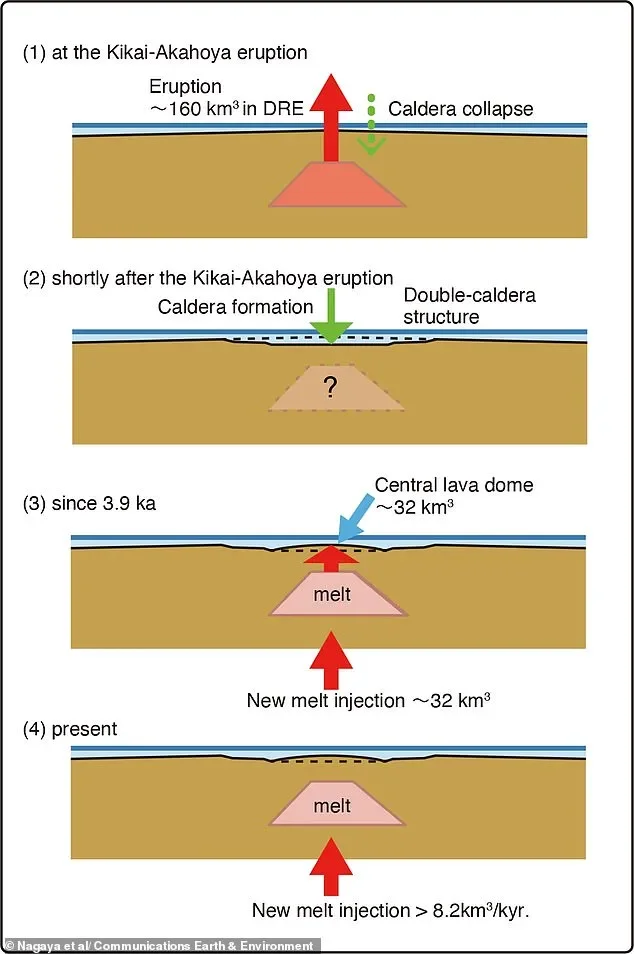
The model proposed by researchers, including observations by Professor Seama Nobukazu, posits a "magma re-injection" mechanism. This suggests that new magma is being supplied into the existing reservoir. This scenario is described as consistent with the existence of similarly large, shallow magma systems observed beneath other renowned calderas, such as Yellowstone in the United States and Toba in Indonesia.
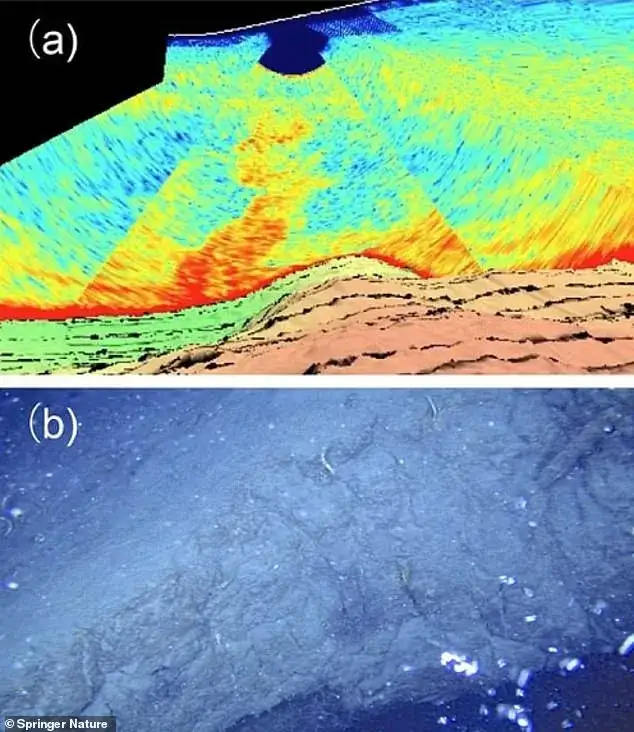
The Kikai caldera's unique underwater setting has provided an advantage for researchers to image its magma system. The estimated depths of this refilling magma, between 1.8 to 4.3 miles (3 to 7 kilometers), align with estimates for the previous Kikai eruption. This revelation challenges simplistic views of volcanic dormancy, highlighting the long-term, gradual nature of magma accumulation.
Background: The Nature of Caldera Eruptions
Giant caldera eruptions, unlike more frequent smaller volcanic events, are characterized by immense releases of magma over short periods. This results in the formation of large, shallow craters, or calderas, and involves distinct processes of magma generation, storage, and eruption. The Kikai-Akahoya eruption, some 7,300 years ago, is a prime example, having ejected a volume of magma so vast it emptied a significant underground chamber, leaving behind the distinctive caldera structure. Understanding the refilling processes of these massive systems is a key challenge in volcanology, with implications for hazard assessment globally.
Read More: Junji Ito Live-Action TV Shows Replace Anime on April 7 2026