The young macaque, known to the internet as "Punch," continues to be the subject of widely circulated videos depicting him being physically asserted upon by other members of his troop. Despite widespread public sympathy and gestures of support, including donations from corporations like IKEA and visits from public figures, Punch's integration into his social group remains fraught with conflict. The core of this ongoing situation appears rooted in the inherent social structures of Japanese macaques, where dominance and rank dictate an individual's standing and treatment within the troop.
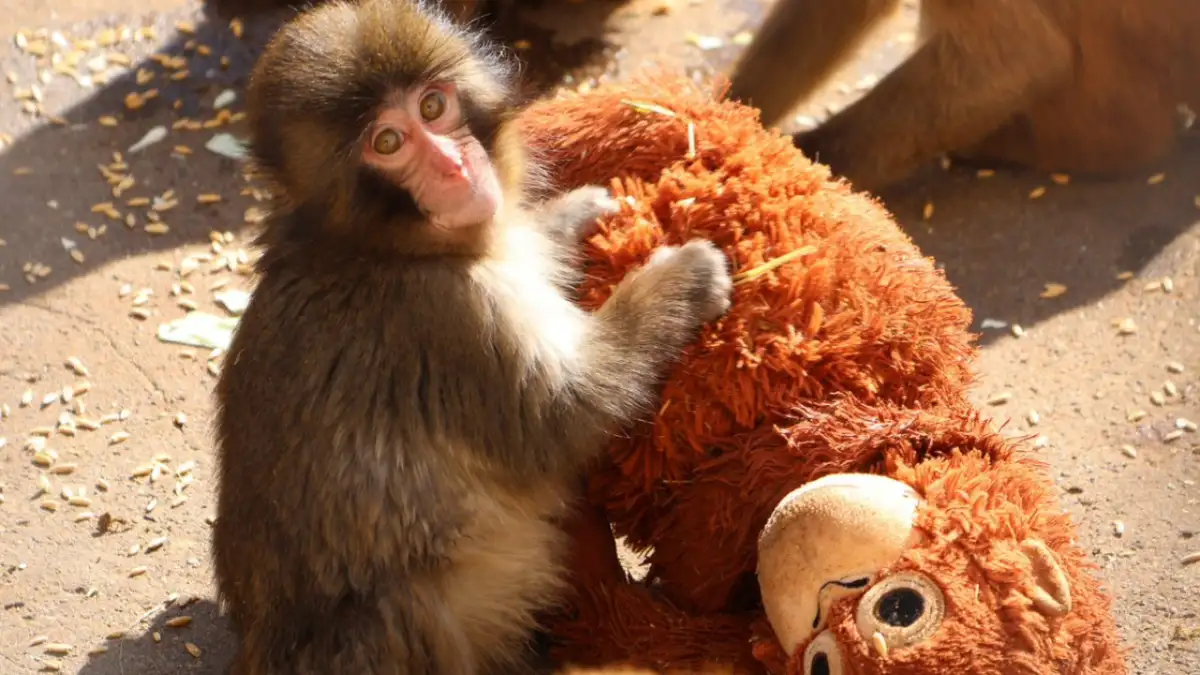
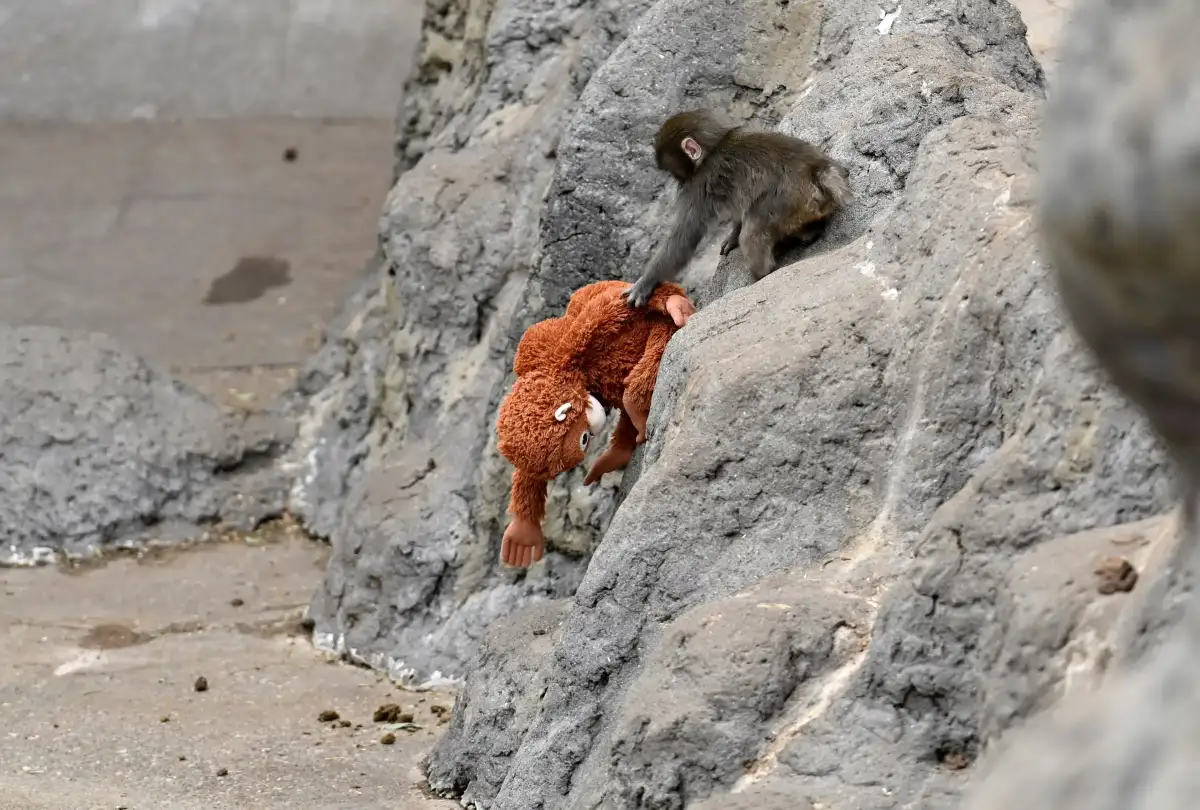
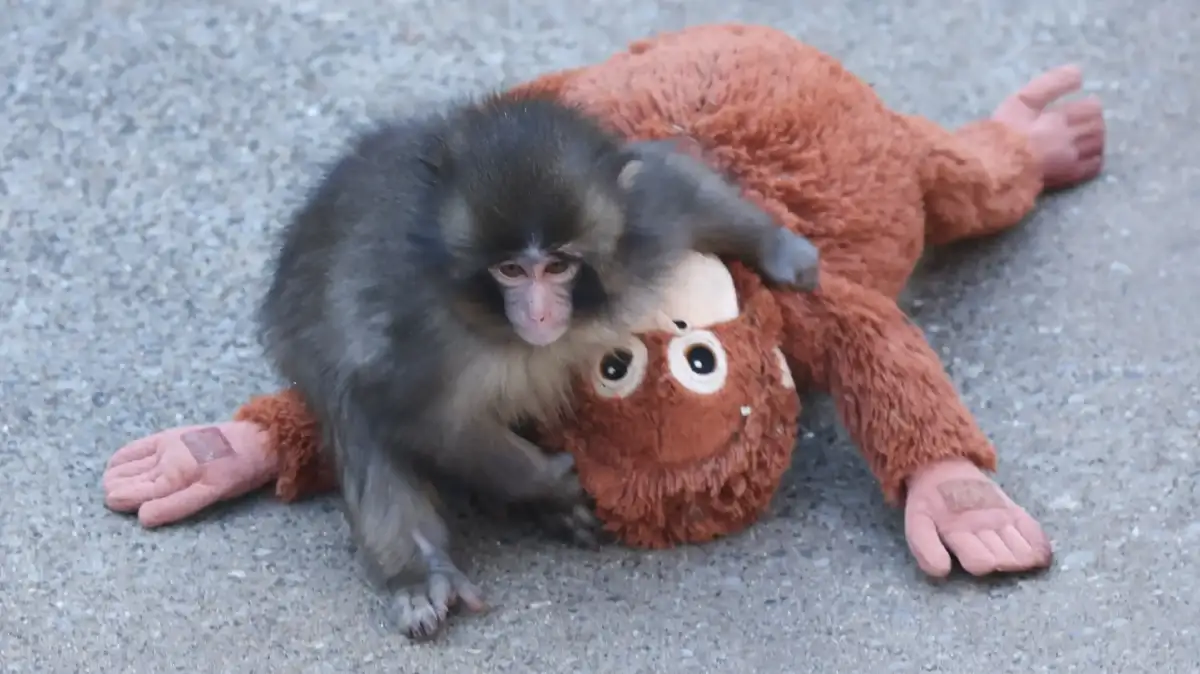
Recent reports indicate that the Ichikawa City Zoo, where Punch resides, has taken action to address aggressive behaviors observed towards the young macaque. On March 8th, the zoo temporarily removed several higher-ranking macaques that had demonstrated "aggression more frequently" towards Punch. This intervention follows persistent public outcry and concern for Punch's welfare, amplified by his viral status online. Keepers at the zoo have also provided Punch with comfort items, notably a plush orangutan, which he has reportedly bonded with.
Read More: Orangutan Mothers Plan Playdates for Babies in Borneo
The Dynamics of Rejection and Social Ascent
Punch's journey began under challenging circumstances. Born during an intense heatwave last summer, his mother, described as a first-time parent with low social rank, is believed to have prioritized her own survival, leading to Punch's abandonment. This initial rejection placed Punch at a severe disadvantage within the troop's strictly matrilineal hierarchy. Without maternal guidance, he has been left to navigate a complex social landscape where established rank dictates access to resources and daily interactions. Videos circulating online often capture moments of Punch being physically handled, dragged, or pushed away, interpreted by many as bullying.
The viral nature of Punch's story has attracted a deluge of attention, prompting both public concern and, according to some, potential harm. Wildlife charity Born Free has cautioned that Punch's fame could have detrimental effects on him and his species, highlighting the critical need for complex group dynamics in the normal development of these highly social and intelligent animals. The surge in visitors to the zoo, eager to see Punch, adds another layer of pressure to his already delicate situation.
Read More: Junji Ito Live-Action TV Shows Replace Anime on April 7 2026
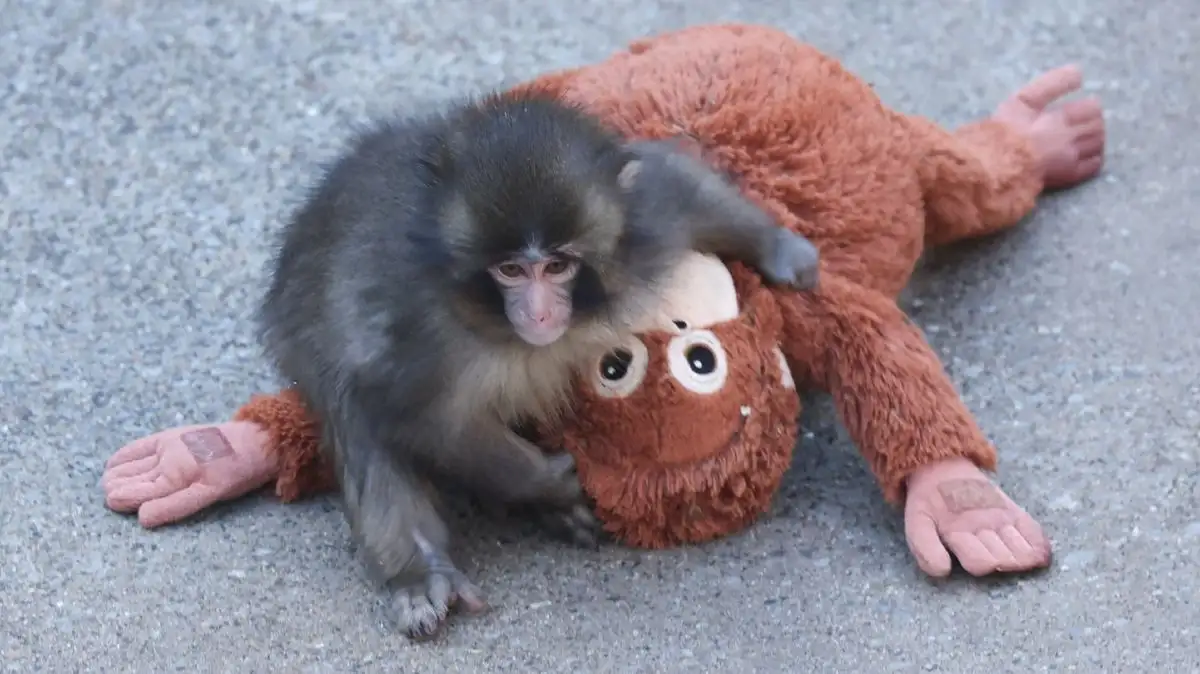
Behind the Scenes: A Zoo's Response and Future Possibilities
The Ichikawa City Zoo has issued statements to address the "bullying" complaints, acknowledging that while many macaques have shown aggression, specific individuals have been temporarily separated. The zoo maintains that Punch is steadily gaining acceptance, despite the widely shared footage of his struggles.
Experts suggest that even with his mother's presence, Punch might have faced similar challenges due to the rigid social structures. Furthermore, discussions about the broader implications for Japanese macaques, including instances of culling due to crop raiding, offer a backdrop to the complexities of human-primate coexistence. For Punch, as a male macaque, the long-term outlook may involve migration to a new group upon reaching sexual maturity, potentially allowing for the formation of new social relationships, as noted by animal welfare advocates. The question of whether Punch's viral fame can serve as a catalyst for re-evaluating how captive primates are viewed and managed remains a subject of ongoing discourse.
Read More: ARBA Lists 50 Rabbit Breeds for Pet Owners in 2026

:strip_icc()/GettyImages-688951857-586d7be13df78c17b6e3a3cb.jpg)