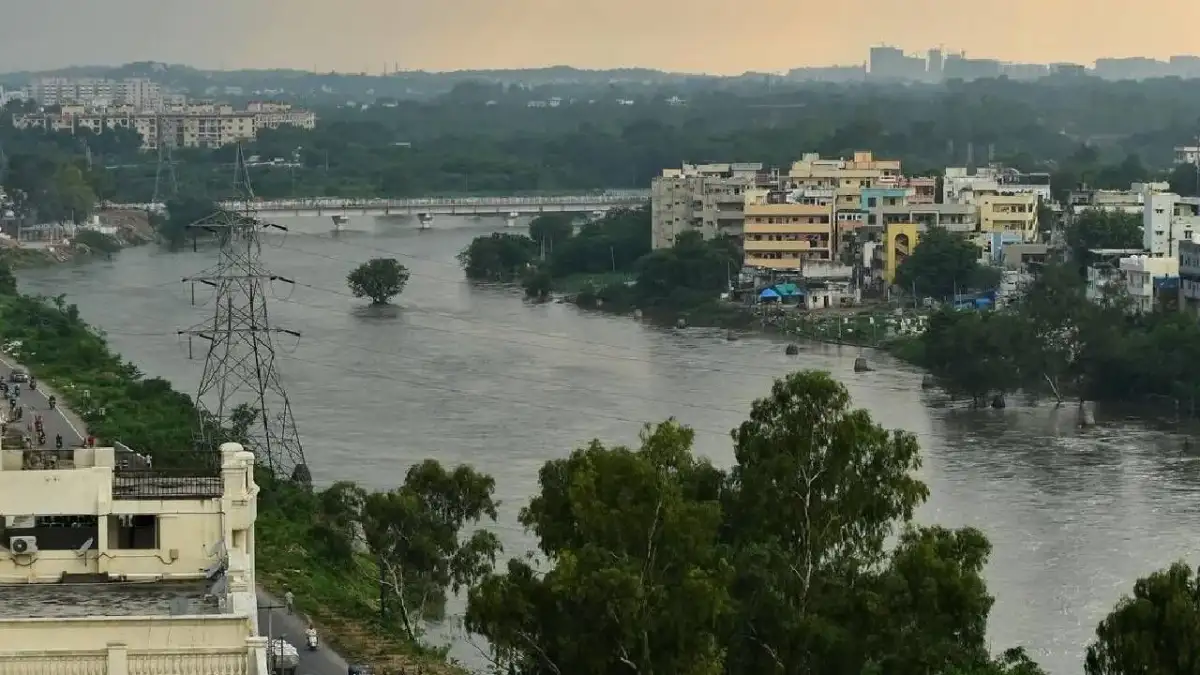
Hyderabad, Telangana - The Telangana government, led by Chief Minister A. Revanth Reddy, is set to unveil the first phase of the Musi Riverfront Development Project on March 13. The Chief Minister plans to present a detailed PowerPoint presentation outlining the Rs 5,812 crore plan, focusing on a 21-km stretch between Himayatsagar and Osmansagar up to Bapu Ghat. This initiative, projected to enhance Hyderabad as an economic and tourist hub, involves the construction of 15 weirs between Osmansagar-Himayatsagar and Gandhi Sarovar.

The core of the ensuing debate hinges on a newly imposed 50-meter buffer zone along riverbanks, which has led to a ban on existing construction and prompted eviction notices for numerous properties. The Chief Minister has assured that those displaced will receive "proper relief and rehabilitation," and has drawn parallels with riverfront development projects in Delhi and Uttar Pradesh to counter opposition.
Read More: How Onikuru facility in Ibaraki City changes local visit habits in 2026
Evictions and Environmental Concerns Clash with Economic Aspirations
The project's first phase involves significant land acquisition and potential displacement, with Chief Minister Reddy stating that nearly 50% of buildings targeted for eviction fall within this stipulated buffer zone. This has ignited significant local apprehension, with activists from the Musi Jan Andolan (MJA) urging the government to halt the immediate unveiling of phase-1 plans. They advocate for a focus on controlling industrial pollution over the eviction of families, stressing the need for "zero displacement."
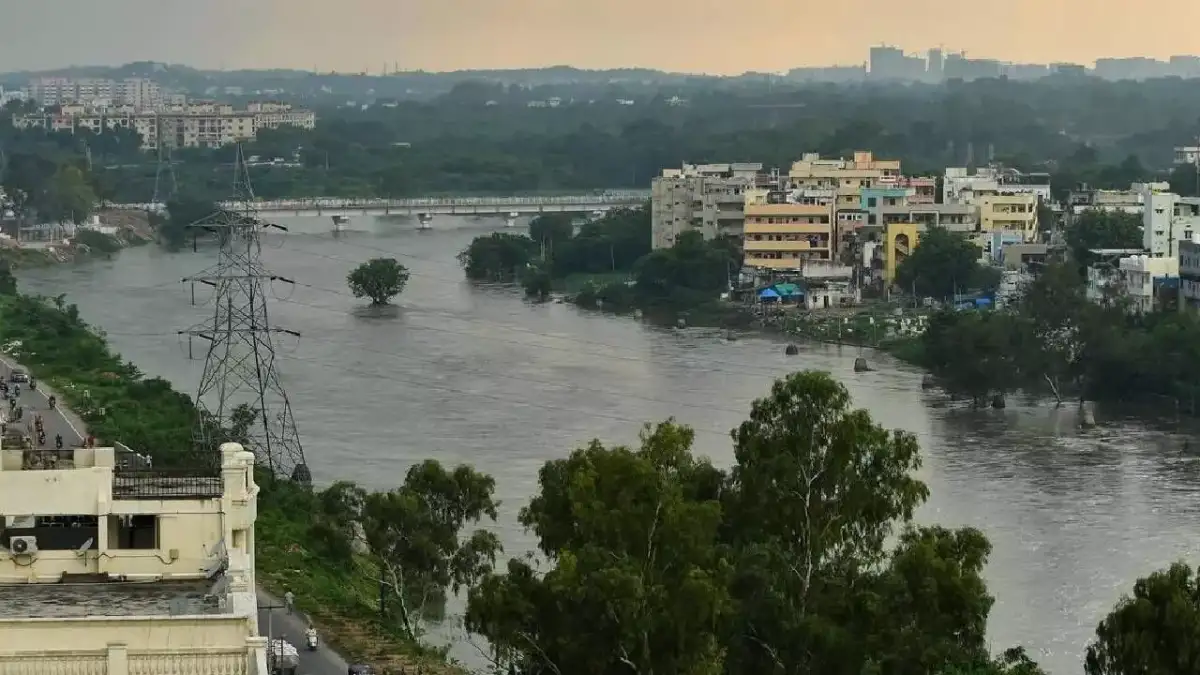
MJA stated it would not attend the unveiling event, emphasizing that their concerns over displacement and lack of transparency remain unaddressed.
Activists have also called for the release of the complete Detailed Project Report (DPR), along with detailed maps of river boundaries and buffer zones, in multiple languages. Concerns have also been raised regarding the Environmental Impact Assessment, with allegations of incomplete consultations and missing environmental and land data. Social activist Medha Patkar has previously urged the government to halt the project, pointing to perceived deficiencies in the assessment process.
Read More: Amazon Land Use Changes Cause Disease Clusters in Brazil
Government Defends Project as Crucial for Future Growth
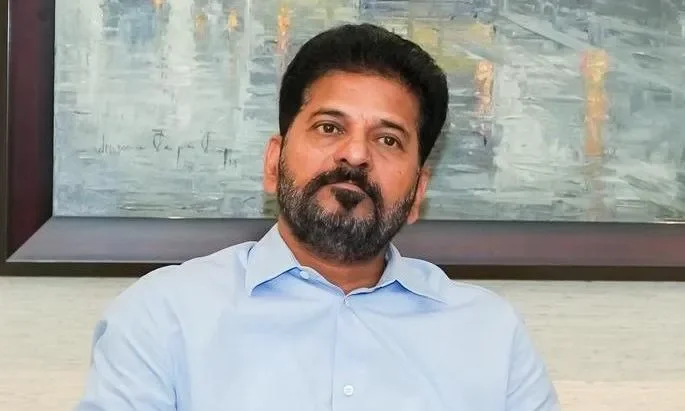
Chief Minister Reddy, however, has criticized opposition parties for what he terms as "politicizing the issue" and "obstructing" a project he deems vital for Hyderabad's future. He asserts that such developments are essential for the city's growth and counteracts criticisms by highlighting successful riverfront projects in other major Indian cities. The government also plans to establish a platform to address what it perceives as "false information" circulating on social media regarding the Musi project.
"Why do the opposition not want the Musi project?" the Chief Minister reportedly questioned, citing the Yamuna Riverfront in Delhi and the Ganga Riverfront in Uttar Pradesh as precedents.
The government has pledged to make broader decisions regarding structures situated within 50-meter buffer zones across the state. The Musi River Rejuvenation Project is planned in five phases, with the current focus on enhancing the river's aesthetic and economic potential, transforming it into a significant tourist and economic destination. The presentation on March 13 is intended for over 500 experts and stakeholders, including lenders.
Read More: Fleet Street Redevelopment Changes London Area for Residents