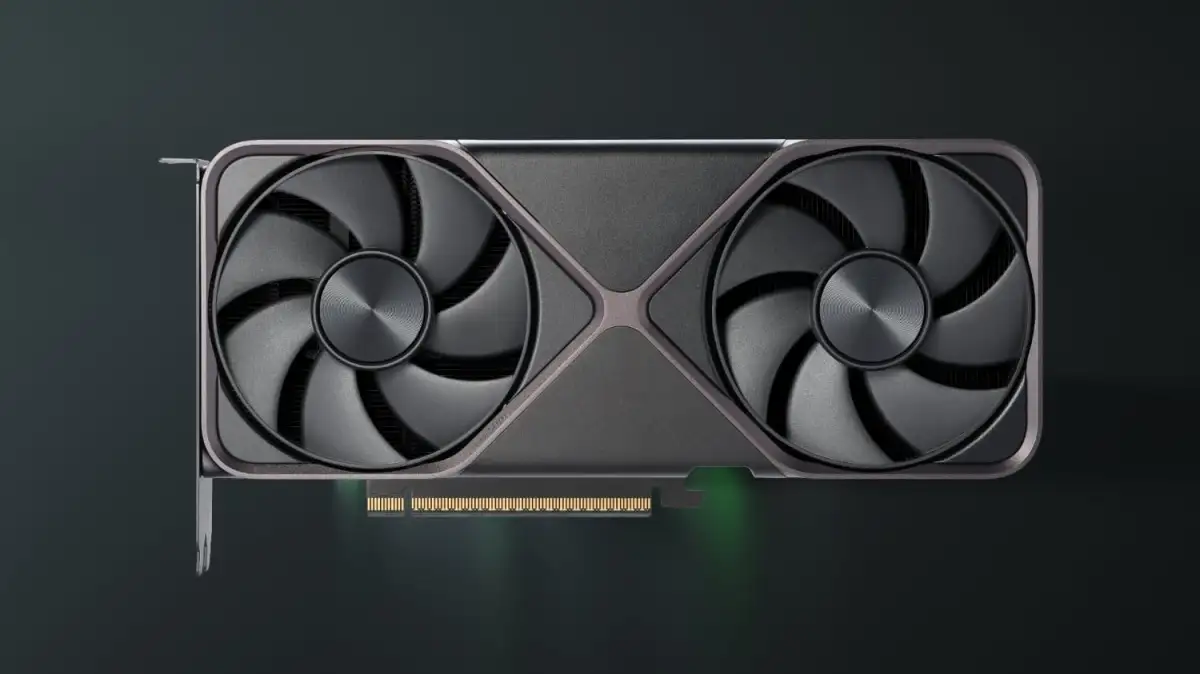
The GeForce RTX 5070 has surged in the Steam Hardware Survey throughout early 2026, marking a significant shift in user hardware adoption. Current data suggests this mid-range card has captured substantial market presence, outpacing the RTX 5060 in growth velocity during several reporting periods.
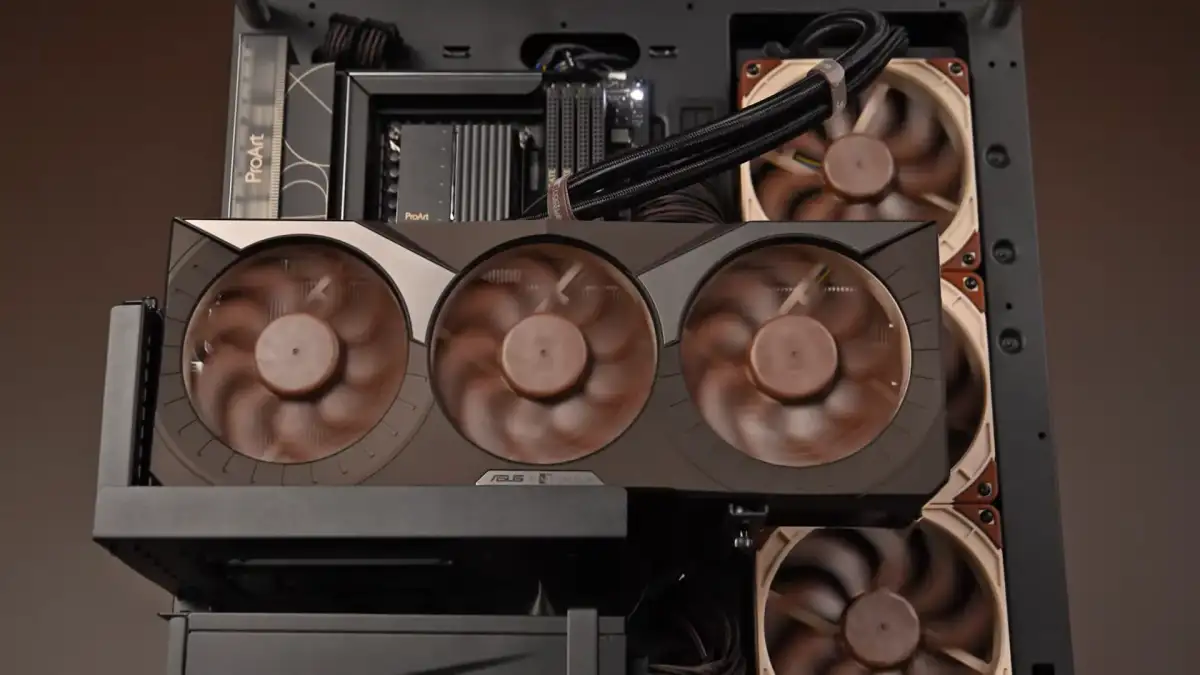
Recent shifts show a 228% growth spike for the RTX 5070 in specific monthly intervals.
The RTX 5060 also recorded a 40% popularity jump as of January 2026, indicating rapid transition toward the current Blackwell generation.
Market panic regarding fluctuating DDR5 RAM prices and fears of impending GPU cost increases appear to be primary drivers behind this acceleration.
Interpreting Survey Anomalies
While these figures signal strong commercial demand, industry observers remain cautious. The Steam Hardware Survey functions as a voluntary, randomized snapshot rather than a comprehensive census. Historically, the data has shown =anomalous spikes= that often regress to baseline values within a single quarter.
| Metric | Contextual Factor | Impact on Data |
|---|---|---|
| Survey Bias | Random sampling / User opt-in | Potential for skewed demographic representation |
| Market Climate | Memory shortage fears | Impulse upgrades due to cost-escalation anxiety |
| Global Influence | Chinese user base expansion | Statistical noise from multiple accounts on shared hardware |
Economic Drivers and Consumer Behavior
The sustained success of the RTX 5070 persists despite mixed reception from hardware critics. Analysis of the current retail environment—including platforms like Amazon—shows that consumers are increasingly avoiding lower-tier hardware, specifically units limited to 8GB of VRAM.
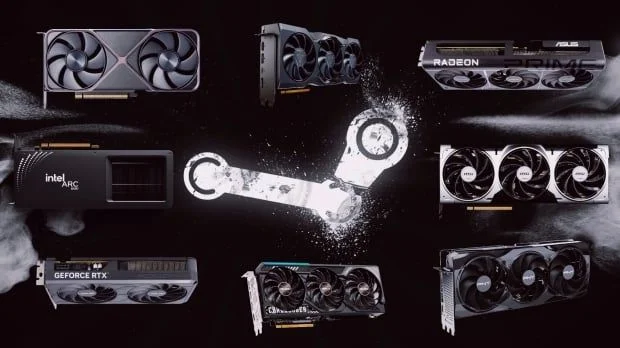
The current purchasing pattern reflects a 'least-bad' strategy, where users prioritize higher performance ceilings to hedge against modern game requirements. This trend suggests that the perceived value of entry-level components is diminishing, as gamers gravitate toward hardware that provides a longer operational life, even at a higher financial entry point.
Read More: Chrome mimeHandler API lets extensions handle file types
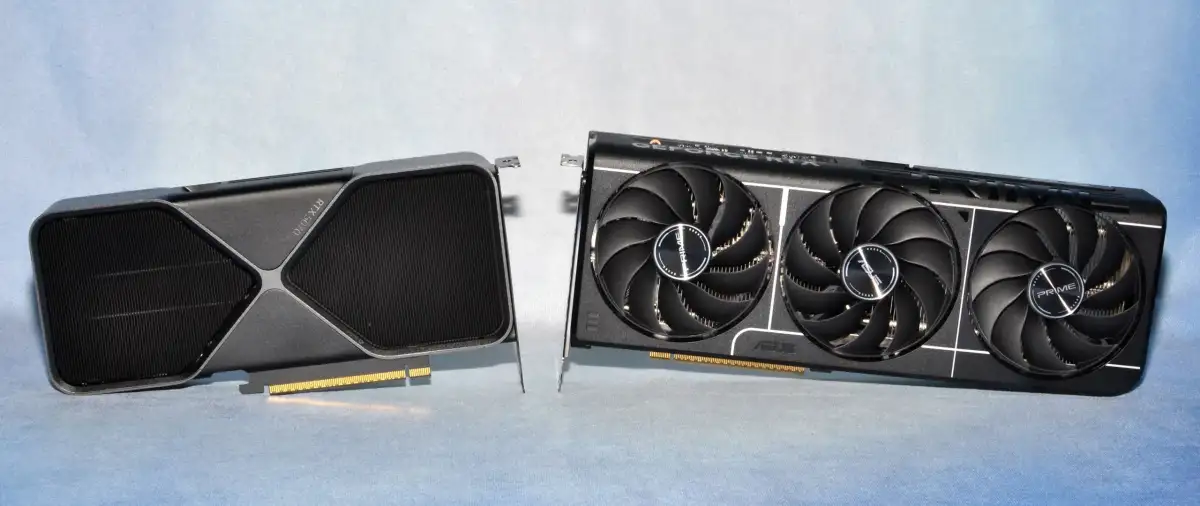
Ultimately, the surge reflects a marketplace characterized by volatility and hardware anxiety, where the promise of AI-driven upscaling and frame generation continues to influence consumer choices more heavily than price-to-performance parity alone.





/content/opengraph/MTG-Top-10-Best-Commander-Cards-From-Magic-The-Gathering-Marvel-Super-Heroes-MSC-MSH.png)