High Stakes Beyond the Boundary
The highly anticipated T20 World Cup clash between India and Pakistan is not solely a sporting event. A significant political debate has emerged in India, with opposition leaders criticizing the government's decision to allow the match to proceed. Their core argument posits that the fixture is being presented as a contest driven by the Board of Control for Cricket in India (BCCI) President Jay Shah, rather than a diplomatic engagement between nations with strained relations. This stance is amplified by concerns over potential betting activities linked to the match and a broader sentiment that Pakistan is considered an "enemy country."
Political Voices Raised Against the Fixture
The controversy ignited in the hours preceding the match, with multiple opposition figures voicing their dissent.

Congress MP Sukhjinder Singh Randhawa asserted that Pakistan should be treated as an "enemy nation."
Shiv Sena (UBT) MP Sanjay Raut made strong allegations, suggesting that India-Pakistan cricket matches fuel substantial betting profits. He framed the match as "Jay Shah vs Pakistan," implying it is a decision driven by the BCCI chief rather than a reflection of public sentiment or diplomatic relations.
Other opposition leaders, including Manoj Jha and Rashid Alvi, echoed similar sentiments, questioning the rationale behind the match given the current political climate between the two countries.
Some reports indicate that social media platforms saw a surge in calls for a diplomatic snub, with hashtags like #BoycottPak trending in India.
Pakistan's Stance and Reversal
The political discourse in India is occurring against a backdrop of Pakistan's own fluctuating stance regarding the tournament.
Read More: Philadelphia Flyers Beat New York Islanders 4-1 on April 3 2026
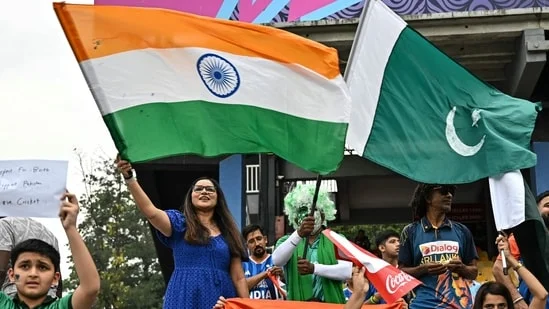
Initially, the Pakistan government had expressed an intention not to participate in the ongoing T20 World Cup. This decision was reportedly made in solidarity with Bangladesh.
However, Pakistan later reversed its boycott of the group-stage fixture against India after apparent discussions with the International Cricket Council (ICC).
Pakistan Cricket Board (PCB) Chairman Mohsin Naqvi, who also holds a ministerial position in the Pakistan government, was present in Colombo and reportedly held discussions with ICC officials on the sidelines of the event.
Economic and Betting Allegations
A recurring theme in the opposition's criticism revolves around the economic implications of the India-Pakistan cricket encounters.
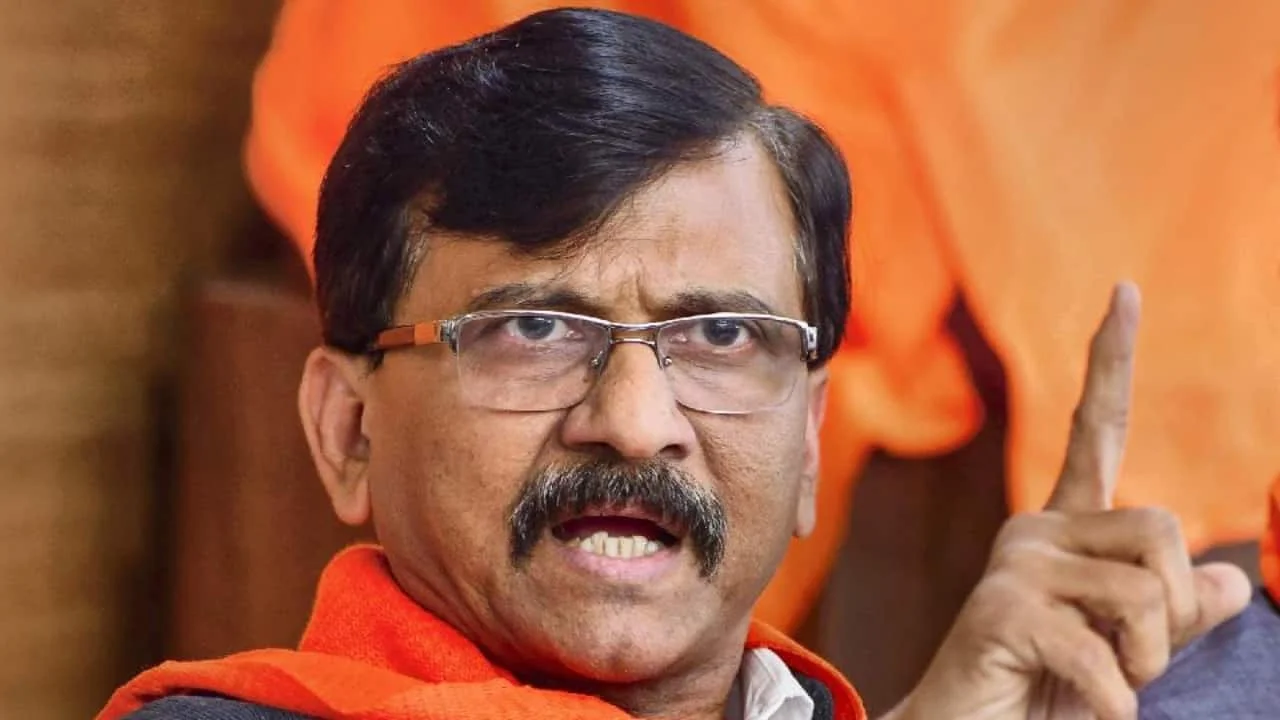
Sanjay Raut alleged that these matches generate "massive betting proceeds."
One article explicitly states that the India-Pakistan match generates the "highest amount of betting and gambling in cricket," and suggests that a portion of these profits might flow to Pakistan.
The financial significance of this rivalry is acknowledged, with one report labeling the match as cricket's "biggest revenue driver" and its "El Cashico."
Official Silence Amidst the Debate
While opposition leaders have been vocal, Jay Shah has not issued a public response to the allegations and criticisms leveled against him and the BCCI. The government's official position on the matter, beyond allowing the match to proceed, is not detailed in the provided reports.
Expert and Media Perspectives
The media landscape reflects the divided opinions surrounding the fixture.
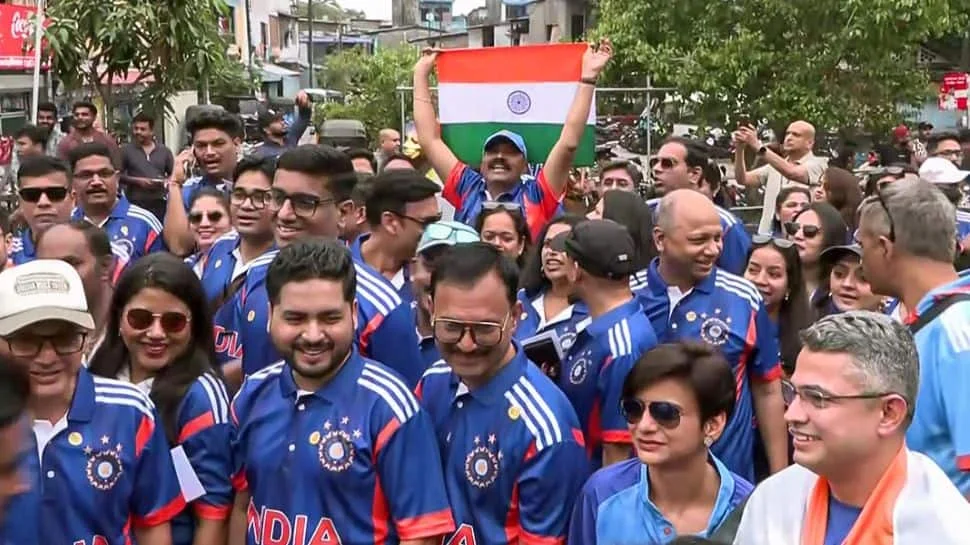
Some reports highlight the "charged atmosphere" ahead of the game, noting that public sentiment might not align with the decision to play.
Conversely, other articles emphasize the excitement of the sporting contest itself, suggesting that "politics [is] benched" and it is "time for cricket now."
Analysis of the cricketing aspect points to India holding a "cricketing and psychological edge" based on recent performances in the Asia Cup.
One report touches upon alleged pitch tampering, with a "Pakistan legend" reportedly accusing Jay Shah of manipulating the pitch to favor India.
Conclusion and Lingering Questions
The India-Pakistan T20 World Cup match is undeniably more than a sporting event, becoming a focal point for political dissent and allegations within India. The opposition's persistent framing of the fixture as "Jay Shah vs Pakistan" rather than a national engagement underscores a deep-seated skepticism regarding the motivations behind its continuation amidst strained bilateral ties. The accusations of substantial betting profits further complicate the narrative.
Read More: Ibrahimpatnam Election Stayed After BRS Councilor Abduction Allegations Feb 16
Key questions remain:
What is the government's stance on the opposition's characterization of the match and the alleged betting activities?
Will the controversy surrounding the match impact future sporting engagements between the two nations?
What is the ICC's role and perspective on the political pressures influencing its sanctioned events?
The outcome of the match on the field, coupled with the ongoing political discourse, will shape the immediate aftermath of this high-profile encounter.