Tension mounts in Thalavadi Hills as recurring elephant incursions lead to significant crop destruction, pushing farmers to demand immediate intervention and compensation from forest authorities. The escalating conflict highlights a persistent challenge in balancing human agricultural needs with wildlife preservation in the region.
Background and Timeline of Events
Incidents of wild elephants entering agricultural lands and causing widespread damage have become a frequent concern for farmers in the Thalavadi Hills and surrounding areas. These incursions are not isolated events but rather a pattern of behavior observed over time, impacting various crops and leading to substantial financial losses for the farming community.

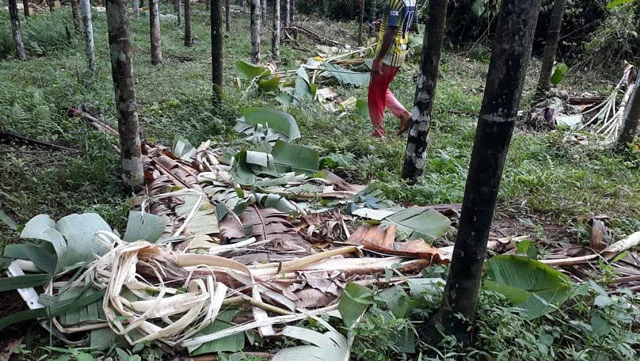
Recent Activity: Reports indicate multiple recent instances of elephants destroying crops. In early February 2026, a herd of elephants entered a banana plantation in Hasanur, destroying over 200 banana trees. This followed closely on the heels of incidents in January 2026, where elephants caused extensive damage to crops in Thalavadi hills, described as a "daily occurrence." Prior to this, in December 2025, wild elephants damaged a banana plantation in Puttur, with this being the third such raid since the monsoon.
Previous Occurrences: The issue is not new. In July 2024, four male elephants damaged over two acres of sugarcane crops in Thalavadi, Erode. Another incident in September 2024 saw elephants damage approximately 3,000 banana trees in Kanniyakumari, prompting farmers to seek compensation. Even earlier, in July 2023, a wild elephant destroyed over 300 banana trees near Thalavadi in the Sathyamangalam tiger reserve.
Observed Patterns of Destruction
Farmers in the Thalavadi Hills have reported consistent patterns in the types of crops targeted and the scale of destruction. The incursions typically occur during the night, with elephants often entering farmlands unhindered.

Crops Affected: Banana plants are frequently cited as a primary target. However, other crops like coconut, sugarcane, ragi, maize, and cabbage have also been damaged. This comprehensive destruction impacts farmers who rely on diverse agricultural produce.
Financial Losses: The destruction of crops, especially those close to harvest, results in significant financial setbacks. For instance, in July 2023, a farmer reported a loss of ₹2 lakh due to the destruction of over 300 banana trees. In December 2025, the destruction of banana plants and other crops, including beehive boxes, led to "heavy losses."
Methods of Deterrence: Farmers have attempted to scare away the elephants, often with limited success. In one instance, villagers managed to chase away an elephant after three hours. There are concerns that certain methods of scaring elephants, such as using multiple torchlights at night, can agitate the animals, making them more aggressive and disoriented.
Allegations of Cross-Border Incursions
Concerns have been raised regarding elephants entering Tamil Nadu from neighboring states, particularly Karnataka. This has added another layer of complexity to managing the human-elephant conflict in the Thalavadi region.
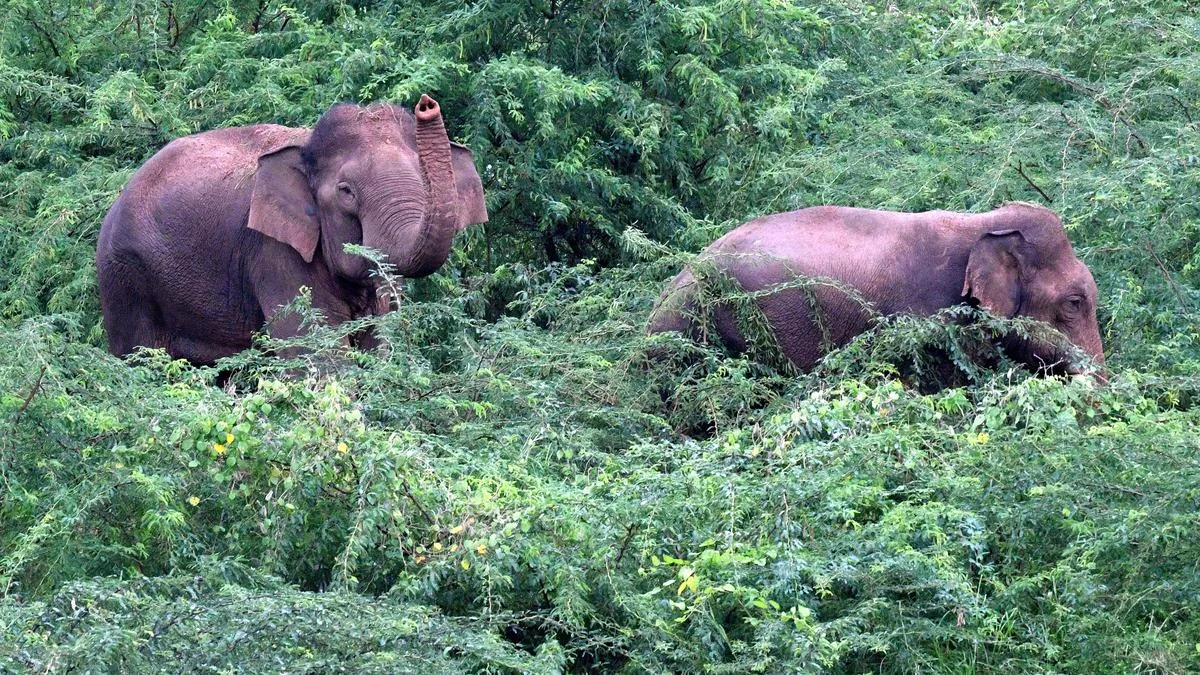
Source of Incursion: Reports suggest that large herds, numbering between 20 and 60 elephants, are entering Tamil Nadu through villages like Arulvadi along the inter-state border.
Reasons for Refuge: These elephants are believed to seek refuge in Tamil Nadu during the daytime due to the availability of water sources. They then venture into farmlands at night to forage.
Alleged Practices: One viewpoint suggests that elephants might be deliberately chased away from Karnataka into Tamil Nadu, with concerns about the maintenance and effectiveness of "Elephant Proof Trenches" (EPTs) in the neighboring state.
Farmer Demands and Official Response
Affected farmers are consistently calling for immediate action from the Forest Department and government authorities. Their demands center on preventing further incursions and providing adequate compensation for the losses incurred.
Read More: Hertfordshire-Essex Ponds Restored, Bringing Back Newts and Wildlife
Requests for Intervention: Farmers have urged officials to implement effective measures to prevent wild elephants from entering agricultural lands and to safeguard their livelihoods.
Compensation Claims: There is a strong demand for the Forest Department to assess the damage and provide appropriate compensation to farmers like Ravi and Malloo, who have suffered significant financial losses. In Kanniyakumari, farmers specifically sought compensation from the forest department following the damage to hundreds of banana and coconut trees.
Assessment Teams: In some cases, following damage to crops, special teams have been formed to assess the situation. For example, in Kanniyakumari, a special team was formed on the instructions of the District Forest Officer and Forest Ranger. Forest Department officials are also reported to be on the ground assessing damage and monitoring elephant movements.
Expert and Community Perspectives
Local communities and some observers point to underlying causes for the escalating conflict, suggesting a need for comprehensive, long-term solutions.
Root Causes: Agricultural expansion into traditional elephant corridors and dwindling natural food sources for wildlife are frequently cited as primary drivers of the conflict. This suggests an ecological imbalance contributing to the problem.
Need for Balance: There is an acknowledgment that these are wild animals, but their intrusion into farmlands directly threatens human survival and economic stability. This necessitates strategies that balance the needs of both wildlife and human populations.
Urgency for Strategies: The recurring nature of these incidents underscores the urgent need for robust, long-term strategies that address the root causes of the human-elephant conflict, rather than solely focusing on immediate mitigation.
| Location | Crop Damaged | Approximate Number/Area Damaged | Date of Incident | Source Article |
| :————————- | :————————— | :———————————————— | :———————- | :——————- || Thalavadi Hills | Banana | > 200 trees | Feb 13, 2026 | Article 1 || Sathyamangalam | Banana | > 300 trees (2 acres) | Early Mon (July 2023) | Article 2 || Kanniyakumari | Banana, Coconut | Hundreds of trees, 3k mentioned | Sep 9, 2024 | Article 3 || Puttur (Bajattur) | Banana, other crops | Extensive damage | Dec 12, 2025 | Article 4 || Erode (Thalavadi) | Sugarcane | > 2 acres | July 9, 2024 | Article 6 || Thalavadi Hills | Harvested Maize | Not specified | Feb 6, 2026 | Article 7 || Thalavadi Hills | Crops | Not specified | Jan 16, 2026 | Article 9 |
Conclusion and Future Considerations
The persistent incursions of wild elephants into agricultural lands in the Thalavadi Hills and surrounding regions present a complex and pressing issue. The repeated destruction of crops, particularly banana plants, has resulted in substantial financial losses and heightened fear among farmers. While farmers are demanding compensation and effective preventative measures from the Forest Department, the underlying causes, including agricultural expansion and habitat pressure, suggest that long-term strategies are imperative. Addressing this conflict requires a multi-faceted approach that considers the ecological balance, the needs of both human and wildlife populations, and potentially inter-state coordination to manage elephant movements. The current situation demands a comprehensive assessment of existing mitigation measures and the exploration of sustainable solutions to foster coexistence.
Read More: China Halts Fertiliser Exports to Australia Causing Farm Worries
Sources Used:
Article 1: Elephants destroy banana plants in Thalavadi Hills - The Hindu
Article 2: Elephant Destroys 300 Banana Trees | Coimbatore News - Times of India - Times of India
Article 3: Elephants damage 3k banana trees in Kanniyakumari, farmers seek compensation - The New Indian Express
Article 4: Puttur: Wild elephants destroy banana plantation crops in third raid since monsoon - Daijiworld
Article 5: Fear grips Thalavadi Hills amid rising human-elephant conflict - The Hindu
Article 6: Four male elephants loiter around sugarcane farm in Erode, damage over 2 acres of crops - DT Next
Article 7: Wild elephants damage harvested maize in Thalavadi hills - IndiaVision India News & Information - IndiaVision
Article 8: Wild elephants damage harvested maize in Thalavadi hills - WN.com (via Gulf News)
Article 9: Wild elephants damage crops in Thalavadi hills - The Hindu