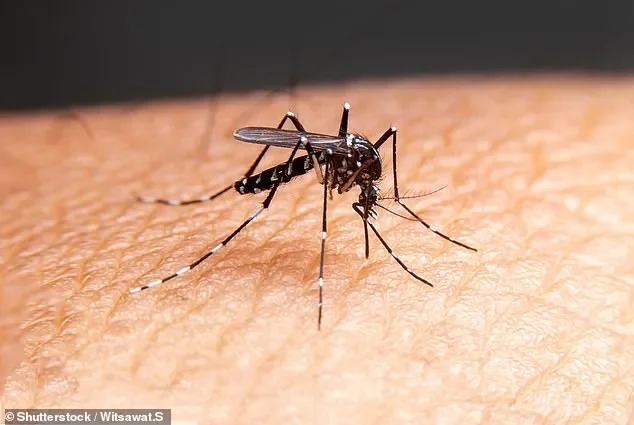
Google, via its 'Debug Project,' is currently seeking federal authorization to release 64 million Wolbachia-infected male mosquitoes across California and Florida. The initiative aims to suppress local populations of Culex mosquitoes—vectors for the West Nile virus and St. Louis encephalitis—by inducing sterility in wild females through incompatible mating.
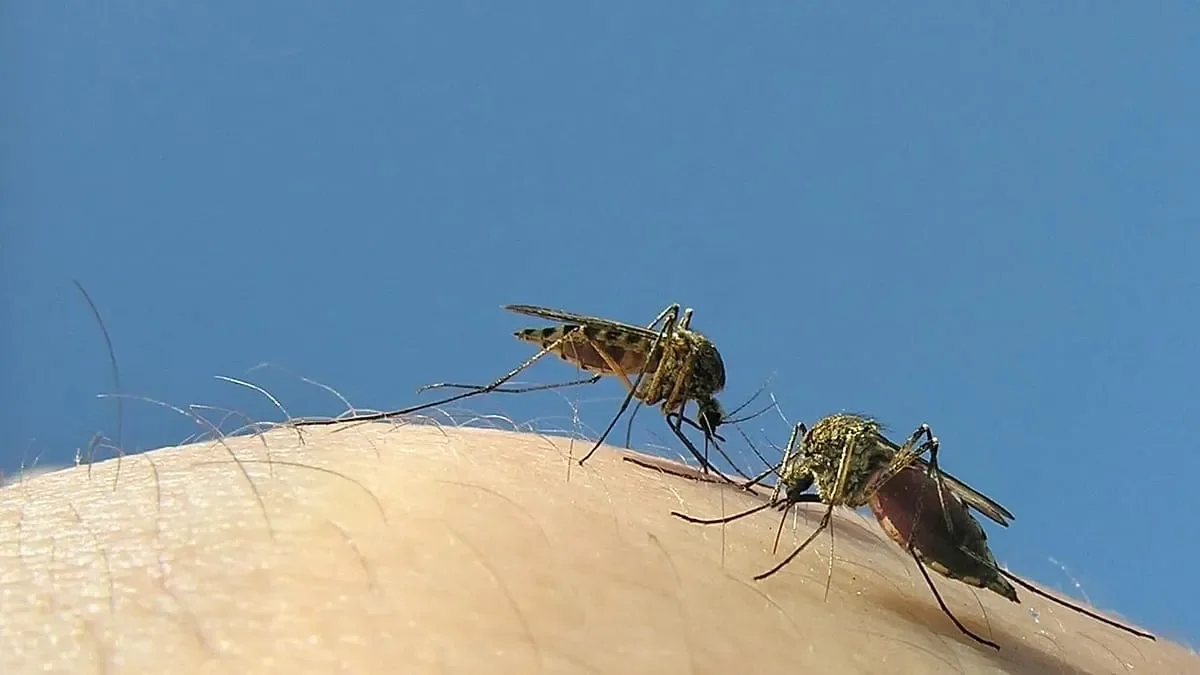
The core mechanism relies on infecting lab-reared male mosquitoes with bacteria that prevent their offspring from surviving; because males do not consume blood, the project claims it will not increase human-biting incidents.

Technical Methodology and Regulatory Status
The project, which has faced significant public friction, remains pending review by the EPA and other federal agencies. Proponents argue the intervention is a necessary technological pivot to curb disease, while detractors frame it as an unvetted experiment on regional ecology.
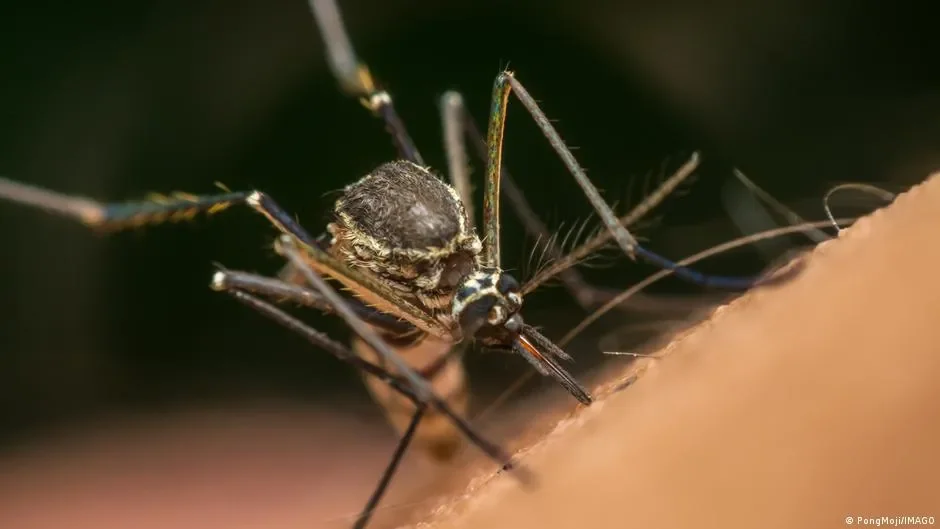
| Project Parameter | Proposed Specification |
|---|---|
| Target Species | Culex mosquitoes |
| Active Agent | Wolbachia (naturally occurring bacteria) |
| Intervention Goal | Population suppression via male sterility |
| Scope | 64 million insects (California/Florida) |
| Monitoring | Two-year assessment period |
Ecological Concerns and Skepticism
The proposed scale of the release has drawn intense criticism regarding the predictability of altering regional food chains. Skeptics note that past efforts to manipulate mosquito numbers often yield "roaring" population rebounds once human-led interventions cease.
Read More: India IVF Costs And Social Barriers Limit Access In April 2026
Ecological Balance: Biologists raise concerns about the dependencies of local predators—including birds, bats, frogs, and fish—on existing mosquito larvae.
Public Sentiment: Resistance stems from the unprecedented nature of releasing massive quantities of genetically or bacterially modified organisms into open environments without exhaustive, long-term impact data.
Institutional Backing: While Google drives the current proposal, the project aligns with broader funding trends in mosquito-control technologies often supported by private foundations.
Background on the Debug Project
The initiative—distinct from Google’s primary focus on digital infrastructure—utilizes industrialized breeding processes to create "good bugs." By saturating an area with sterilized males, the project aims to drive the population of disease-carrying females toward collapse. As of 03/06/2026, federal regulators have yet to disclose the specific locations for these potential releases or grant formal approval for what critics label as one of the largest open-air biological experiments in recent history.