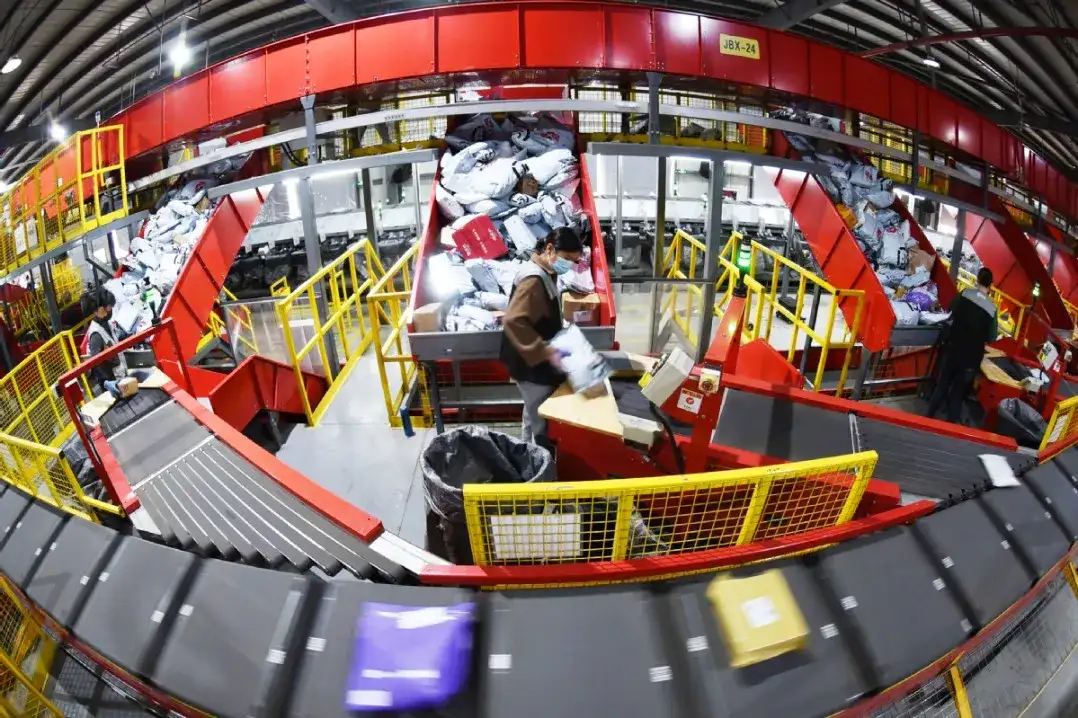
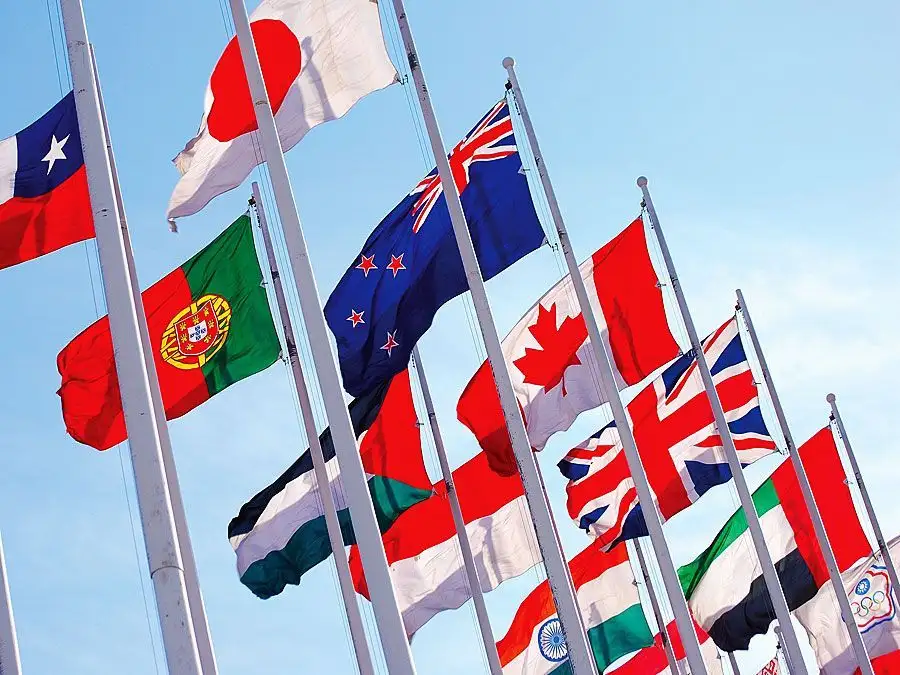
The world of international commerce finds itself at a critical juncture, with long-standing partnerships under scrutiny and new economic alignments forming with alacrity. This dynamic landscape is shaped by evolving geopolitical strategies, the persistent echoes of supply chain disruptions, and a concerted push towards economic resilience. The very fabric of global trade is undergoing a profound alteration, demanding a closer examination of the motivations and implications behind these seismic shifts.
The Genesis of Realignment
The current reordering of trade relationships is not a sudden phenomenon but rather an exacerbated outcome of several converging trends:
Pandemic Revelations: The COVID-19 pandemic laid bare the vulnerabilities inherent in highly concentrated global supply chains, prompting nations to prioritize diversification and regionalization.
Geopolitical Tensions: Escalating international friction has spurred a recalvertion of economic interdependence, with countries increasingly weighing security considerations alongside economic benefits.
Technological Advancements: The rapid pace of innovation, particularly in digital trade and green technologies, is creating new avenues for cooperation and competition, further influencing alliance structures.
Key Actors and Their Strategies
Several major economic blocs and individual nations are playing pivotal roles in this ongoing redefinition of trade:
The United States: Has been actively pursuing "friend-shoring" initiatives, aiming to deepen economic ties with allied democracies. This strategy seeks to mitigate risks associated with reliance on geopolitical rivals.
China: Continues to leverage its Belt and Road Initiative, fostering infrastructure development and trade routes across numerous countries, thereby solidifying its economic influence.
The European Union: Is focused on strengthening its single market and establishing new trade agreements that prioritize sustainability and digital sovereignty. The EU is also recalibrating its relationship with key trading partners in light of recent global events.
Evidence of Divergence and Convergence
Observable data points illustrate the unfolding changes in trade patterns:
Trade Data Analysis: A review of bilateral trade statistics reveals a divergence in trade flows, with some traditional routes seeing reduced volume while others experience significant growth. For instance, trade between certain Western nations and Southeast Asian economies has shown an uptick, while direct trade with some previously dominant partners has stagnated or declined.
Investment Trends: Foreign direct investment (FDI) patterns offer further insight. There is a noticeable increase in FDI directed towards countries perceived as politically stable and aligned with key democratic blocs.
Policy Declarations: Official statements and trade policy white papers from various governments articulate a clear intent to reshape economic relationships, emphasizing security, resilience, and technological collaboration.
Deep Dive: Supply Chain Resilience vs. Economic Efficiency
A central tension in this reordering lies between the long-held pursuit of maximum economic efficiency and the burgeoning imperative for supply chain resilience.
Read More: Goldman Sachs predicts 15 million US jobs lost to AI by 2036
| Objective | Traditional Approach | Emerging Approach |
|---|---|---|
| Focus | Lowest cost production, just-in-time delivery. | Diversified sourcing, reduced single-point dependencies. |
| Implication | Maximized profit, potential vulnerability. | Increased cost, enhanced security and stability. |
| Evidence | Decades of globalization, offshoring. | "Friend-shoring," near-shoring, strategic stockpiling. |
| Potential Outcome | Highly efficient but fragile systems. | More robust but potentially more expensive systems. |
The push for resilience suggests a willingness to accept higher costs in exchange for greater certainty in the face of global disruptions.
Deep Dive: The Role of Technological Alliances
The development and deployment of advanced technologies are increasingly becoming a basis for new trade alignments.
Semiconductor Pacts: Agreements aimed at securing and diversifying the production of semiconductors highlight a trend where technological sovereignty is a key driver of economic cooperation.
Digital Trade Frameworks: Nations are exploring and enacting new digital trade rules, often aligning with like-minded partners to set standards for data flows, privacy, and cybersecurity.
Green Technology Collaboration: Joint initiatives in renewable energy and climate technology are forging new trade partnerships, driven by shared environmental goals and the economic opportunities in sustainable industries.
Technological prowess is no longer solely an economic advantage but a strategic cornerstone of national security and international partnerships.
Expert Analysis
Dr. Anya Sharma, a senior fellow at the Institute for Global Economics, observes: "We are witnessing a fundamental recalibration where economic policy is now inextricably linked with national security. The previous paradigm of pure economic liberalism is being challenged by a more pragmatic, security-conscious approach."
Professor Kenji Tanaka from Tokyo University of Commerce notes: "The pursuit of 'de-risking' rather than outright decoupling is the current strategy for many nations. This involves carefully managed adjustments to reduce over-reliance on specific partners, without abandoning the benefits of global trade altogether."
Read More: House Votes to Limit President's War Power on Iran
The prevailing sentiment among analysts is that the era of unchecked globalization is giving way to a more deliberate and strategically managed form of international economic engagement.
Conclusion
The current global trade environment is characterized by a deliberate reordering of alliances, driven by a confluence of factors including geopolitical shifts, lessons learned from supply chain fragility, and the accelerating pace of technological change. Evidence suggests a move towards greater regionalization, diversification of supply chains, and the formation of partnerships based on shared values and technological interests.
The implications of this recalibration are far-reaching:
Altered Trade Flows: Expect continued shifts in the volume and direction of goods and services traded between nations.
Increased Costs: The pursuit of resilience may lead to higher consumer prices and business operating expenses in the short to medium term.
New Opportunities: Emerging markets and countries with robust technological sectors may find new avenues for growth and influence.
The ongoing evolution of global trade alliances will necessitate continuous monitoring and adaptation from businesses and policymakers alike. The pursuit of economic stability and national security in a complex world appears to be the paramount objective guiding these strategic adjustments.
Read More: New ways to measure AI's impact on jobs and economy
Sources
World Trade Organization (WTO) - Trade Statistics Review: Provides official data on global merchandise and services trade, essential for analyzing trade flow changes. https://www.wto.org/
International Monetary Fund (IMF) - World Economic Outlook: Offers analysis of global economic trends, including trade policies and their impact. https://www.imf.org/
Brookings Institution - Global Economy and Development Program: Publishes research and analysis on international trade, investment, and geopolitical influences on economic policy. https://www.brookings.edu/
Council on Foreign Relations - Trade and International Political Economy: Features articles and reports examining the intersection of trade policy and global political dynamics. https://www.cfr.org/