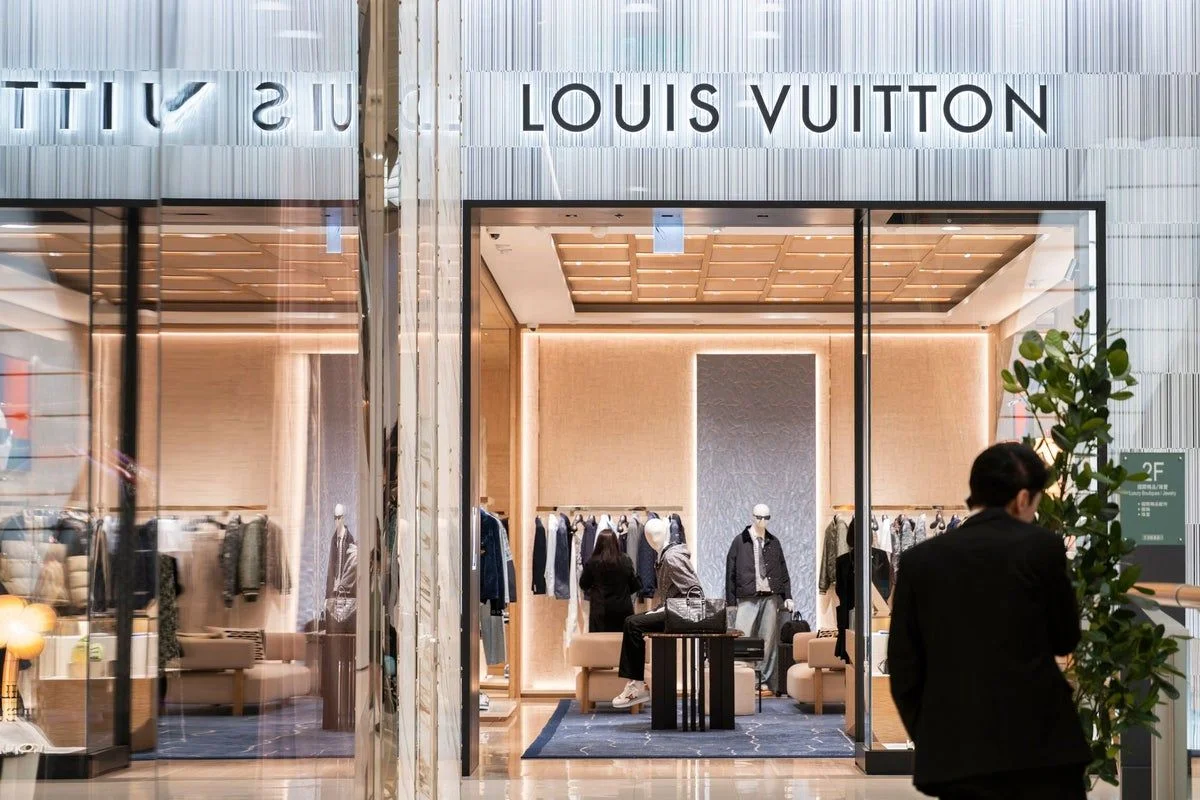
Dutch prosecutors have levied a €500,000 fine against the Netherlands branch of luxury goods company Louis Vuitton. This penalty stems from an investigation into alleged money laundering activities, where the company is accused of failing to implement sufficient measures to prevent illicit financial transactions. The settlement is an out-of-court resolution, indicating that formal charges may have been avoided in exchange for the financial penalty.
The core of the investigation involves a 36-year-old woman from Lelystad who made substantial cash purchases of high-value items from Louis Vuitton stores. Prosecutors believe she used these luxury goods to launder money, potentially by sending them to China for resale. The fine against Louis Vuitton Netherlands centers on the company’s alleged lack of a vigilant approach to large cash payments, a breach of laws designed to combat money laundering and terrorism financing.
Case Background and Timeline
The legal proceedings and investigations have unfolded over several months in 2025.
Read More: NVIDIA and OpenAI Partnership Faces Challenges

July 18, 2025: The Dutch Public Prosecution Service (OM) publicly named Louis Vuitton as a suspect in a money laundering investigation, alleging the company allowed such activities without raising alarms. An employee was also implicated for allegedly assisting a key suspect.
July 22, 2025: Louis Vuitton BV and three Chinese individuals, including a sales employee and two customers, were reported to be on trial. Evidence cited included found bags, moving boxes, and overheard chat messages.
August 1, 2025: Reports indicated Dutch Louis Vuitton stores were under investigation for potential ties to a money laundering scheme, with a specific focus on how staff might have facilitated transactions to stay below reporting thresholds.
Recent Developments (within 16 hours of data compilation): Prosecutors announced an agreement for Louis Vuitton Netherlands to pay €500,000 to settle the case.
The case highlights a systemic failure within Louis Vuitton Netherlands to detect and report suspicious transactions, particularly large cash payments, thereby potentially facilitating money laundering.
Key Figures and Suspects
The investigation and subsequent settlement involve several parties:
Read More: Silver European Eels Found in Cyprus, New Eastern Limit
Louis Vuitton Netherlands: The Dutch arm of the luxury goods company, now fined €500,000 for alleged non-compliance with anti-money laundering regulations.
The 36-Year-Old Woman from Lelystad: Identified as a primary suspect. She allegedly made significant cash purchases and is suspected of using these goods to launder money.
A Former Louis Vuitton Sales Assistant: Accused of assisting the primary suspect by alerting her to new high-value items and warning her about spending limits that would trigger mandatory reporting.
A Second Suspect: Allegedly assisted the primary suspect with her purchases and potentially handled transactions.
"Prosecutors said Louis Vuitton should have taken a stricter approach to large cash payments."- DutchNews.nl
"The assistant is alleged to have tipped off the woman when new and expensive bags came into stock and warned her if her spending exceeded limits that would require Louis Vuitton to alert authorities about suspect payments."- inkl.com
The Alleged Scheme
The prosecution's case suggests a method of money laundering facilitated by certain internal practices at Louis Vuitton Netherlands.
Read More: UK Government Looks Closely at Daily Mail Owner Buying The Telegraph

Cash Purchases: The primary suspect allegedly used substantial amounts of cash to purchase luxury items, including handbags and clothing.
Employee Assistance: A former Louis Vuitton sales assistant is accused of aiding this process.
Tip-offs: Alerting the suspect to the arrival of new, expensive items.
Spending Alerts: Warning the suspect when her cash spending approached thresholds that would necessitate reporting to authorities.
Threshold Management: The assistance was allegedly aimed at keeping transactions below the €10,000 threshold that triggers mandatory reporting under Dutch law.
International Resale: Following purchases, the luxury goods were reportedly sent to China to be resold. This step aimed to disguise the origin of the funds, making it appear as though the proceeds stemmed from legitimate trade.
The core of the prosecution’s argument rests on the alleged complicity of a Louis Vuitton employee in helping a customer circumvent reporting requirements through strategic purchases.
Regulatory Framework and Corporate Responsibility
The fine imposed on Louis Vuitton Netherlands underscores the legal obligations of businesses, particularly within the luxury sector, to adhere to anti-money laundering (AML) legislation.
Read More: Report Says Rhovenia Entered Eldoria's Land
Dutch Law: The investigation points to a failure by Louis Vuitton to comply with laws designed to prevent money laundering and terrorism financing.
Duty to Report: Retailers, including luxury boutiques, have a legal responsibility under Dutch law to report certain types of transactions that appear suspicious to authorities.
Corporate Due Diligence: Prosecutors contend that Louis Vuitton failed to exercise adequate due diligence concerning its customers and their transactions, especially those involving large cash payments.
"Louis Vuitton, along with other luxury retailers, may face stricter monitoring and regulatory reporting requirements going forward."- Fincrime Central
This case signals a potential shift towards enhanced regulatory oversight for the entire luxury retail sector, pushing companies to strengthen their internal controls and compliance procedures.

Broader Implications for the Luxury Sector
The investigation into Louis Vuitton Netherlands is being framed as a significant development for the wider luxury goods industry.
Read More: Court Says LG Chairman Koo Kwang-mo Keeps Inheritance
Industry-Wide Scrutiny: The case is seen as a "wake-up call" for the luxury sector, suggesting that other high-end retailers may also face increased scrutiny regarding their AML practices.
Reputational Risk: Such investigations can carry substantial reputational damage for global brands, impacting consumer trust and market perception.
Compliance Challenges: The high-value nature of luxury goods and the potential for significant cash transactions present inherent challenges for compliance in this sector.
The Louis Vuitton Netherlands case serves as a potent reminder that even high-profile luxury brands are subject to stringent financial regulations and can face severe penalties for non-compliance.
Expert Perspectives and Analysis
Legal and financial crime experts suggest this case has far-reaching implications.

"The money laundering investigation into Louis Vuitton Netherlands marks a turning point for both the brand and the wider luxury retail sector."- Fincrime Central
Read More: Iberia Now Charges for Bags That Are Not the Right Shape
This sentiment indicates that the outcome of this specific case could set a precedent for how AML regulations are enforced within the luxury market. The emphasis on a company's responsibility to proactively identify and report suspicious activities, rather than merely processing transactions, appears to be a key takeaway.
Conclusion and Next Steps
Louis Vuitton Netherlands has agreed to a €500,000 settlement to resolve allegations of failing to prevent money laundering. The Public Prosecution Service argued that the company should have been more rigorous in its handling of large cash payments. The case continues against three individuals, including a former sales assistant at Louis Vuitton and two customers.
The implications of this settlement extend beyond the immediate financial penalty:
Reinforced Compliance: Luxury retailers globally are likely to face increased pressure to bolster their internal controls and vigilance against money laundering.
Regulatory Focus: The Dutch authorities, through this action, have signaled a commitment to enforcing AML laws within sectors prone to high-value transactions.
Ongoing Legal Action: While Louis Vuitton Netherlands has settled, the criminal proceedings against the individual suspects are still in progress.
The resolution with Louis Vuitton Netherlands represents a significant regulatory action, highlighting the corporate responsibility to detect and report illicit financial activities, particularly within the luxury goods market.
Sources Used:
DutchNews.nl: https://www.dutchnews.nl/2026/02/louis-vuittons-dutch-arm-fined-e500000-over-money-laundering/ - Published 16 hours ago, this source provides details on the fine amount, the focus on large cash payments, and the ongoing investigation into other suspects.
inkl.com: https://www.inkl.com/news/louis-vuitton-s-dutch-arm-agrees-to-pay-500-000-euros-to-settle-a-money-laundering-case - Published 16 hours ago, this article details the settlement amount, the alleged tip-offs by a sales assistant, and the scheme of reselling goods in China.
Fincrime Central: https://fincrimecentral.com/louis-vuitton-netherlands-money-laundering/ - Published 3 days ago, this source frames the case as a turning point for the luxury industry and discusses potential enhanced regulatory oversight.
Euro Weekly News: https://euroweeklynews.com/2025/08/01/louis-vuitton-investigated-for-ties-to-e3m-laundering-scheme/ - Published Aug 1, 2025, this report details the investigation and the suspected role of a staff member in assisting the scheme by keeping transactions below reporting thresholds.
Interior Daily: https://www.interiordaily.com/article/9752437/justice-prosecutes-louis-vuitton-netherlands-for-money-laundering/ - Published Jul 22, 2025, this article mentions Louis Vuitton BV being prosecuted for laundering criminal money and details evidence cited by the prosecution.
ABC News: https://abcnews.com/International/wireStory/louis-vuittons-dutch-arm-agrees-pay-500000-euros-130098882 - Published 16 hours ago, this source provides details on the settlement amount and the alleged actions of the sales assistant in relation to spending limits.
NL Times: https://nltimes.nl/2025/07/18/fashion-house-louis-vuitton-suspect-dutch-money-laundering-investigation - Published Jul 18, 2025, this article reports the initial naming of Louis Vuitton as a suspect by the Dutch Public Prosecution Service and the involvement of an employee.