Examining the Claims and Evidence for Recovery Footwear
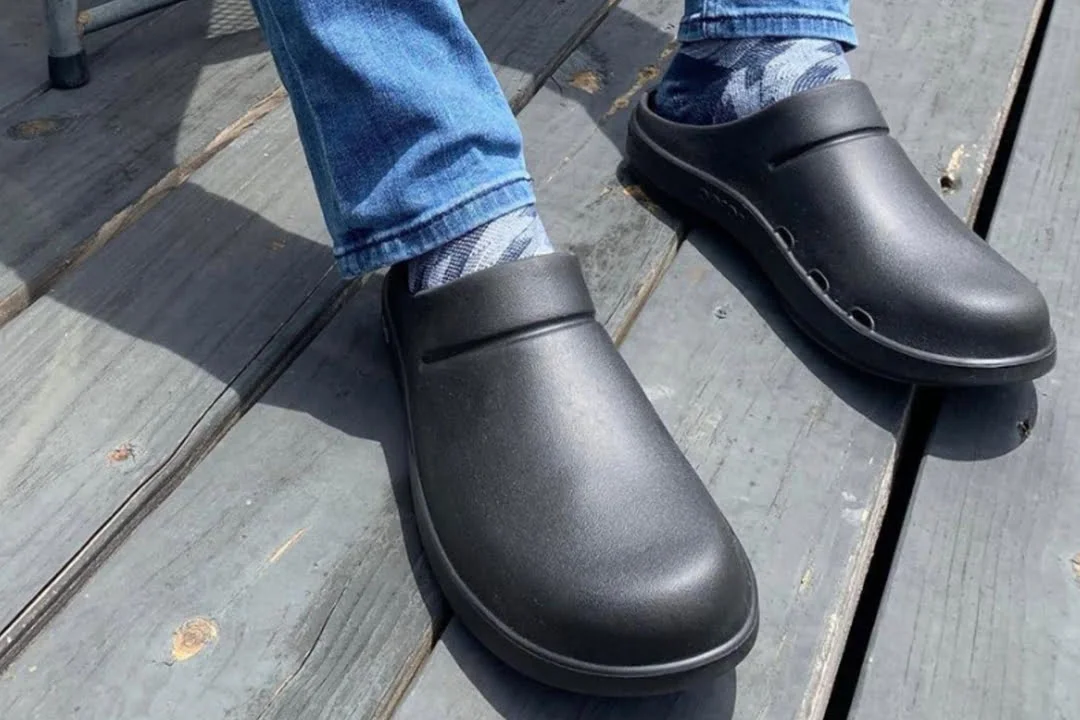
Recovery shoes, also known as post-run or lounge shoes, have gained traction as a way to help the body heal after strenuous physical activity. Advertised with promises of reduced soreness, faster recovery, and overall well-being, these specialized shoes are designed with features such as enhanced cushioning, arch support, and comfort-focused materials. The central question for consumers and athletes alike is whether these footwear choices deliver tangible benefits beyond what conventional shoes or other recovery methods might offer. This inquiry seeks to objectively assess the claims made about recovery shoes by examining the available information.
The Rise of Recovery Footwear
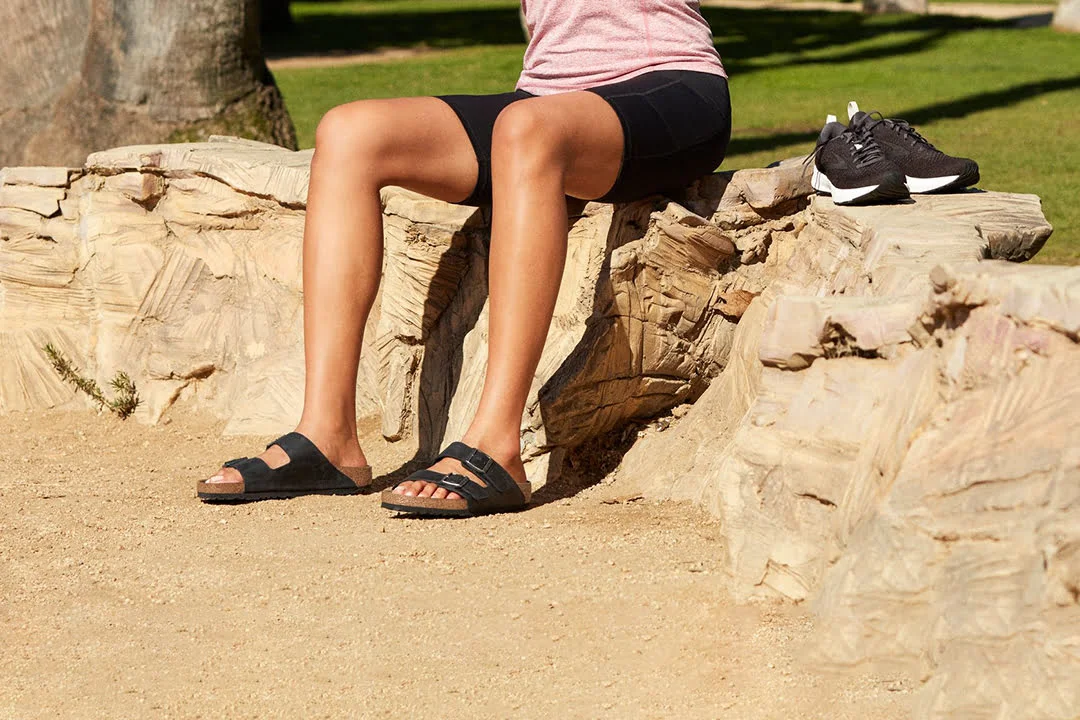
The concept of recovery footwear emerged as a way to address the needs of athletes and individuals who spend significant time on their feet. The basic premise is that after workouts or prolonged periods of standing, the feet and legs require a different kind of support and comfort than during active use.
Read More: Jesy Nelson Stops Music To Care For Twins With Serious Illness

Purpose: Recovery shoes are generally understood to be designed for wear after physical activity, not during it. Their function is to provide a respite for the feet and legs, aiming to mitigate the effects of exertion.
Design Features: Common characteristics include:
Cushioning: Often described as cloud-like or offering a soft landing, using materials like foam and memory foam.
Support: Emphasis on arch support and a cradling footbed to assist the foot's natural structure.
Comfort: Prioritizing soft fabrics and accommodating shapes.
Target Audience: Initially developed for athletes, the appeal has broadened to include anyone seeking relief from foot pain or general discomfort after being on their feet for extended periods.
Voices from the Field: Expert and Consumer Perspectives
The efficacy of recovery shoes is a subject of discussion, with varied viewpoints from professionals and users.
Read More: Young Player Scores First Goal for Canada in Olympics Hockey Game
Physical Therapy Perspective: Some physical therapists view recovery shoes as a matter of personal preference. Dr. Robert Wayner, PT, DPT, for instance, suggests that there is no definitive evidence proving recovery sandals enhance recovery more than other methods, such as compression socks or mobility exercises. He advocates for trial and error to determine personal effectiveness.
Athlete and User Experience: Many athletes, including ultra-runners, appear to embrace recovery shoes. Their use is often integrated into a broader recovery routine. The subjective experience of slipping into these shoes after activity is frequently described as feeling good, with feet sinking into supportive footbeds and experiencing a smooth rebound with each step.
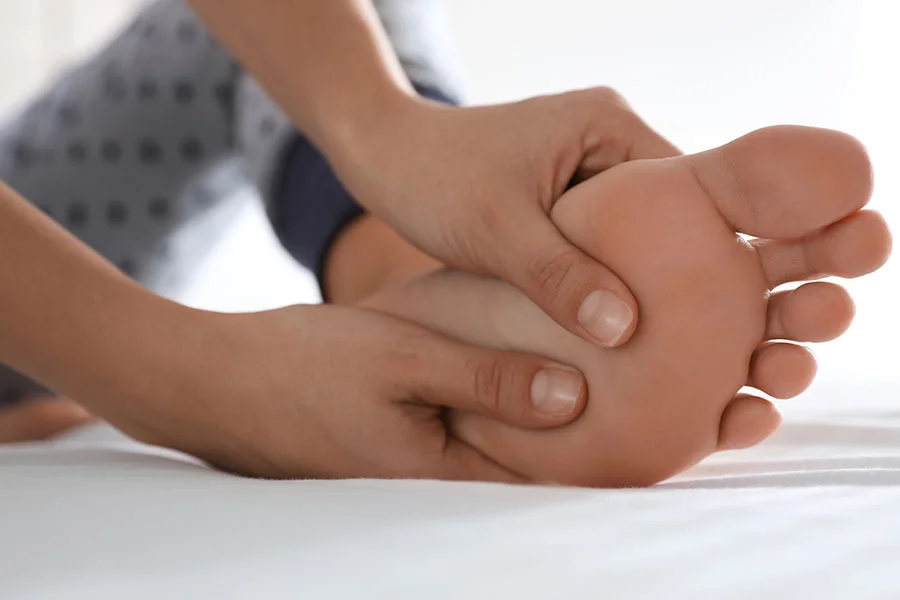
Addressing Foot Pain: For individuals experiencing foot pain, such as plantar fasciitis, some sources suggest that recovery sandals may help alleviate discomfort. This relief is often noted when recovery shoes are used in conjunction with other supportive footwear or orthotics.
Psychological Role: Beyond physical comfort, the act of changing into recovery shoes can serve as a psychological cue, signaling the end of an activity and the commencement of rest and recovery.
Examining the Evidence: What Does the Data Suggest?
The available information presents a mix of subjective user experiences, marketing claims, and limited scientific endorsement.
Read More: Inquest: Robin Windsor Died by Suicide After Difficult Times
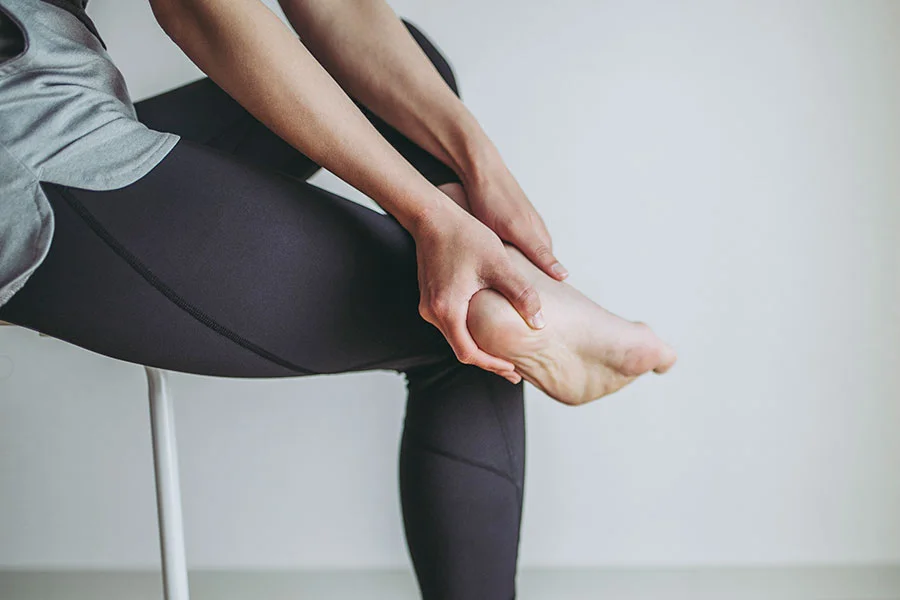
Subjective Comfort: A consistent theme across various sources is the comfort these shoes provide. They are frequently described as feeling soft, cradling, and supportive, offering a distinct sensation compared to regular athletic shoes.
Therapeutic Claims: While many sources tout therapeutic benefits, actively supporting healing processes and promoting long-term foot health, explicit scientific studies substantiating these direct physiological impacts are not widely cited.
Comparison to Athletic Shoes: Recovery shoes are differentiated from performance footwear by their prioritization of comfort and therapeutic benefits over athletic performance metrics. Some sources note they are similar to "maximalist" running shoes in their cushioning but are specifically for downtime.
Lack of Empirical Validation: A notable observation is the absence of strong, empirically validated data demonstrating that recovery shoes accelerate recovery or enhance athletic performance compared to other rest protocols or footwear. One article explicitly states, "So you may be spending extra money on a pair of shoes that doesn’t necessarily get you back to running faster."
Practical Application and Consumer Guidance
For those considering recovery footwear, understanding their intended use and potential limitations is key.
Read More: Boxer Anthony Joshua Mourns Friends Lost in Nigeria Car Crash
When to Wear: Recovery shoes are generally recommended for wear immediately after strenuous activity, during rest periods, and anytime feet need therapeutic support. They are typically not suitable for the actual workout.
All-Day Wear: The consensus suggests they are best for downtime. While some might wear them daily for general comfort, they are not intended for activities like running or intense exercise.
Beyond Shoes: It is important to note that for persistent foot pain, consulting a podiatrist or physical therapist for personalized advice, including potential orthotics, is recommended. These custom solutions could potentially be used in both regular and recovery footwear.
Conclusion: Comfort vs. Clinically Proven Recovery
The current body of information suggests that recovery shoes offer a significant benefit in terms of immediate comfort and psychological transition into a rest state after physical exertion. Their design prioritizes cushioning and support, which many users find pleasurable and potentially helpful for alleviating general foot fatigue. However, the direct, clinically proven impact on accelerating physiological recovery or preventing injuries remains less definitively established in the reviewed materials.
Read More: Woman's Back Pain Was Cancer, Not Mattress
While proponents highlight their role in supporting well-being and aiding the body's natural healing processes, experts like Dr. Robert Wayner emphasize the lack of concrete evidence that they outperform other recovery methods. Therefore, the decision to incorporate recovery shoes appears to lean heavily on individual experience and perceived comfort, rather than on universally accepted scientific validation of enhanced recovery metrics.
Sources
Therapeutic Associates: Provides a perspective from a physical therapist questioning the unique recovery benefits of these shoes compared to other methods.
Link:
https://www.therapeuticassociates.com/true-stuff-or-fluff-do-recovery-sandals-really-help-recovery/Shoe Mill: Highlights the comfort and psychological benefits of incorporating recovery shoes into a routine.
Link:
https://shoemill.com/blogs/the-shoe-mill-blog/what-are-recovery-shoes-and-what-do-they-actually-doBrown University Health: Discusses potential benefits for general foot pain and conditions like plantar fasciitis when used with other supports.
Link:
https://www.brownhealth.org/be-well/recovery-sandals-and-how-they-can-help-relieve-foot-painGQ: Features curated lists of popular recovery shoes and discusses their general use for those on their feet.
Link:
https://www.gq.com/story/best-recovery-shoesTree Line Review: Offers reviews of various recovery shoe models and answers common user questions.
Link:
https://www.treelinereview.com/gearreviews/best-recovery-shoes-sandals-for-runnersRunner's World: Explores the potential benefits and questions the added value of recovery shoes for runners, noting they may not speed up recovery.
Link:
https://www.runnersworld.com/gear/a45442363/benefits-of-recovery-shoes/Advnture: Investigates the popularity of recovery shoes among ultra-runners and questions their actual effectiveness.
Link:
https://www.advnture.com/features/recovery-shoesKane Footwear: Describes recovery shoes as prioritizing therapeutic benefits and comfort over performance, using specialized cushioning.
Link:
https://kanefootwear.com/blogs/kane-blog/what-are-recovery-shoesWellworthy: Explains that recovery shoes are designed to reduce inflammation and soreness post-workout and speed up recovery.
Link:
https://wellworthy.com/recovery-shoes/Today: Features podiatrist insights on the necessity and differences of recovery footwear compared to regular shoes, highlighting increased arch support and cushioning.
Link:
https://www.today.com/shop/post-workout-recovery-shoes-t251946Outside Online: Reviews recovery sandals, noting their comfort and suitability for light activities around the house.
Link:
https://www.outsideonline.com/outdoor-gear/clothing-apparel/recovery-sandalsmindbodygreen: A marathon runner's review of various recovery shoes, discussing their integration into active recovery routines and materials used.
Link:
https://www.mindbodygreen.com/articles/best-recovery-shoesAnce Recovery: Defines recovery shoes and discusses their purpose in aiding foot healing after intense activity or prolonged standing.
Link:
https://ancerecovery.com/blogs/all/what-are-recovery-shoes-and-do-you-really-need-themGotham Footcare: Details the features of recovery shoes like cushioning and arch support, suggesting they can enhance performance and prevent injuries.
Link:
https://www.gothamfootcare.com/blog/what-is-a-recovery-shoe-and-how-to-choose-the-best-one-for-you/Velous Footwear: Emphasizes that recovery shoes prioritize comfort and often feature wider toe boxes, categorizing them into slides, flips, and shoes.
Link:
https://www.velousfootwear.com/blogs/blog/why-recovery-footwearVerywell Fit: Reviews recovery shoes, defining them as footwear for the active recovery phase and mentioning their necessity for actual wear to be effective. It also notes they can support foot ailments.
Link:
https://www.verywellfit.com/best-recovery-shoes-8699201
Read More: Canada and Czechia Play First Hockey Game at 2026 Olympics