Guangzhou, China – April 23, 2026 – The 137th and 138th sessions of the Canton Fair, China's biannual trade expo, have seen a significant influx of overseas buyers, with particular interest converging on the nation's burgeoning smart manufacturing sector, specifically in robots and drones. This trend appears to defy broader global trade tensions, suggesting a persistent demand for China's technologically advanced products.
The debut of a dedicated 'Service Robot Zone' across these recent fairs has been a focal point, drawing considerable attention from international purchasers. This specialized area has showcased a wide array of robotic innovations, from humanoid and exoskeleton models to specialized units for industrial applications like photovoltaic cleaning and road digging. Companies are reporting substantial interest and active inquiries, with many securing orders on-site.
The focus on advanced manufacturing, with themes encompassing industrial raw materials to finished goods and complete production lines, has underscored China's evolving export landscape. Participating companies highlight a shift from purely price-driven competition to one increasingly defined by quality, innovation, and intellectual property.
Read More: US May Add Tariffs on Australian Goods Due to Forced Labour
Robot Innovations Take Center Stage
The Service Robot Zone, a prominent feature of the 137th and 138th editions, has become a key attraction. It hosted 46 leading service robot companies exhibiting a diverse range of cutting-edge products. Examples include:
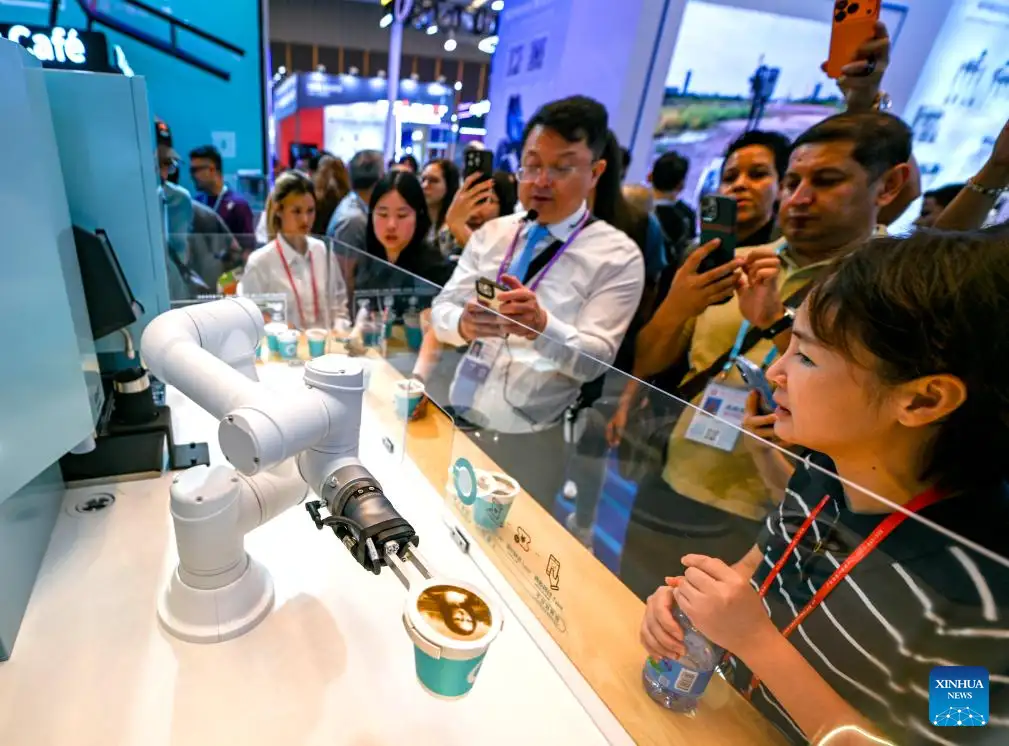
Humanoid robots capable of complex tasks like pouring drinks.
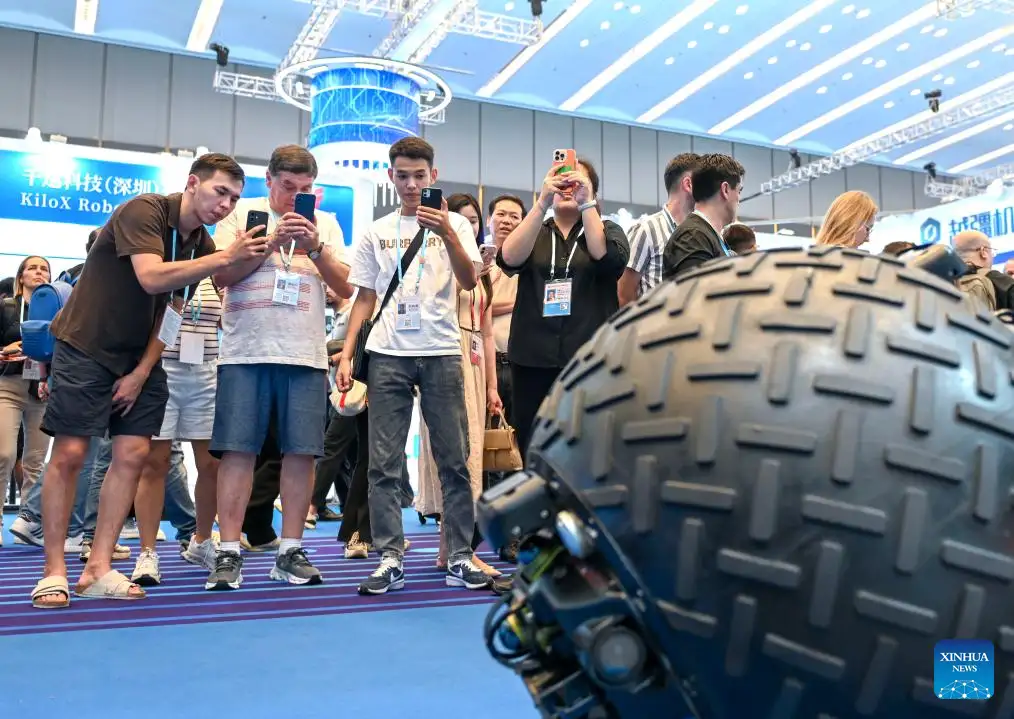
Spherical robots with precise movement control.
AI-powered robotic dogs demonstrating advanced mobility and interaction capabilities.
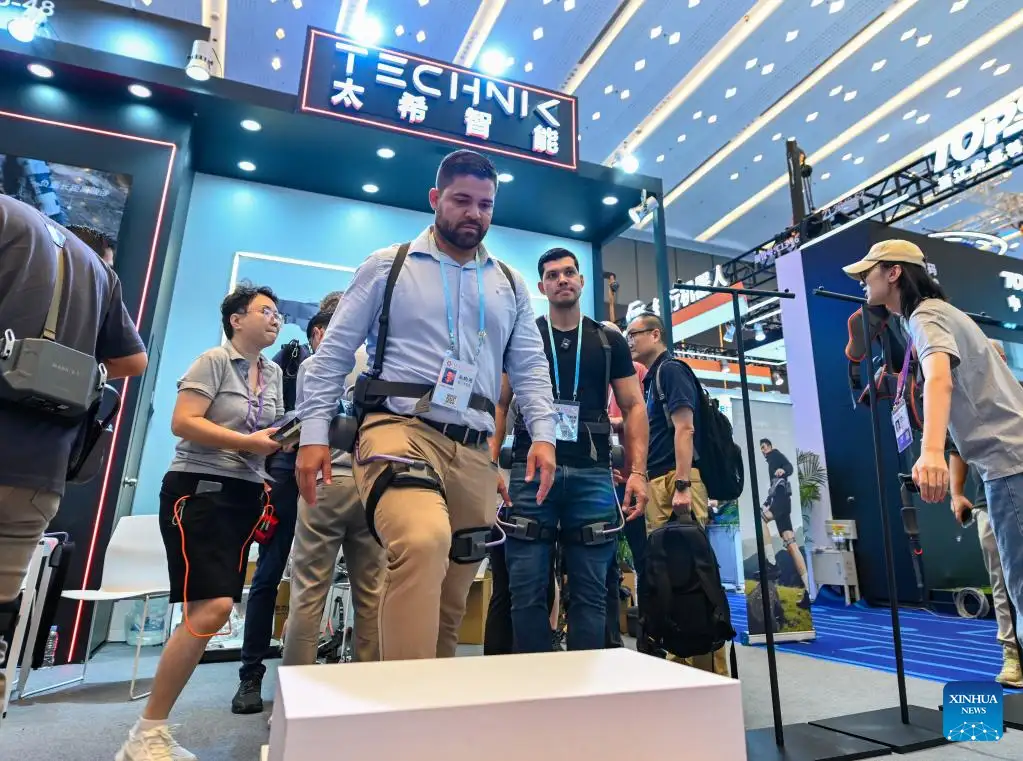
Exoskeleton robots drawing interest from Middle Eastern buyers.
Buyers from regions including Ecuador and the Middle East have been actively exploring the potential of these robots to automate labor in sectors like agriculture and infrastructure.
China's Integrated Supply Chain as a Key Differentiator
Manufacturers emphasized the strength of China's robotics supply chain, which they claim is the most complete globally. This integration allows for tailored solutions, combining components and complete machines to address specific customer needs. This comprehensive ecosystem, reportedly involving cooperation among numerous suppliers for even a single robot module, is presented as a difficult-to-replicate advantage for overseas competitors.
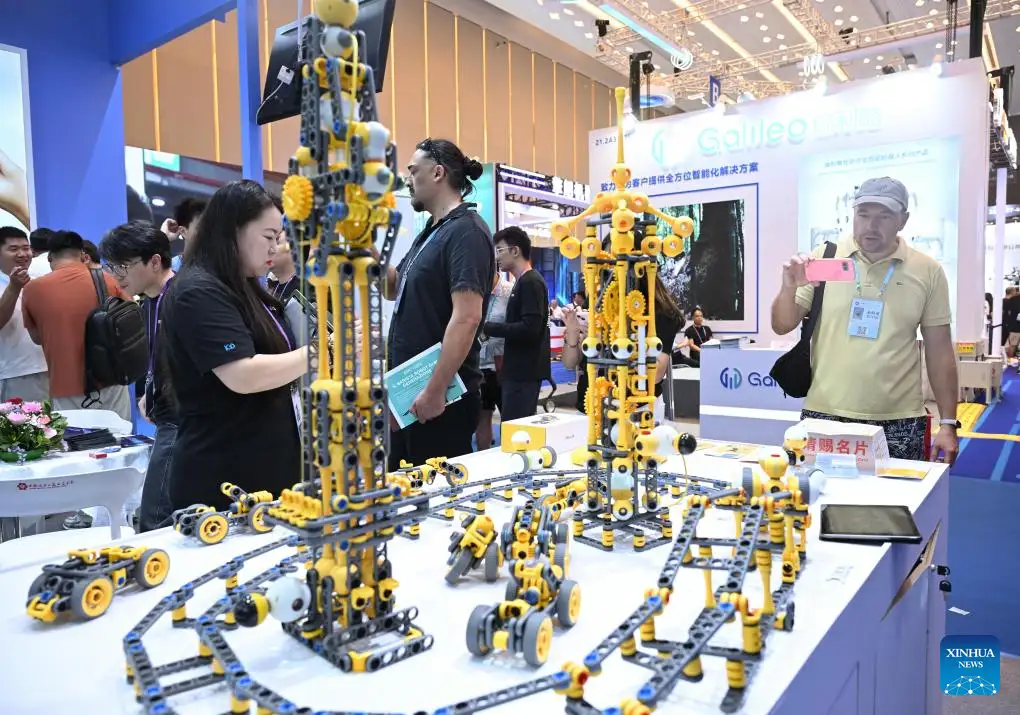
"From components to complete machines and end-to-end solutions, we can tailor offerings to help different customers solve their specific problems." - Ni, identified only by surname
The narrative presented by exhibitors is that while China has historically been known for competitive pricing, the current competitive edge is increasingly rooted in high-quality products and proprietary technologies, evidenced by patent numbers and captured core technologies.
Read More: China Ethnic Unity Law starts July 1 2026 for all citizens
Record Attendance and Global Engagement
Both the 137th and 138th Canton Fairs have reported record or near-record attendance of overseas buyers. The 137th session, held from April 15 to 19, 2025, saw over 30,000 export exhibitors for the first time. The 138th session, concluding on November 4, 2025, also noted a significant number of overseas buyers. This sustained engagement, with buyers arriving from over 220 countries and regions, signals a continued reliance on and interest in the Chinese market, even amidst ongoing trade frictions, including US tariffs.
The fair serves as a barometer for China's foreign trade, with current sessions underscoring a strategic pivot towards 'Intelligent Manufacturing in China' and 'Created in China', moving beyond the traditional 'Made in China' label. Companies like Haier Smart Home and Chigo showcased AI-enabled products, contributing to a large volume of overseas orders.
Read More: US Adds 12.5% Tariff on Indian Goods for Labor Law Failures
The Canton Fair, officially the China Import and Export Fair, has a long-standing tradition as a key platform for international trade. Its evolution reflects broader shifts in China's industrial capabilities and global economic positioning. The consistent emphasis on innovation and technology in recent sessions highlights a deliberate effort to project an image of advanced manufacturing and technological prowess on the international stage.