A recent global analysis has identified 3,100 glaciers that are exhibiting "surging" behavior, a phenomenon where they rapidly advance downhill. This discovery has surprised scientists, as many glaciers are known to be in retreat due to climate change. These surging glaciers, often located near populated areas, are now seen as a potentially significant, and perhaps more troublesome, issue than simply melting ice. The findings suggest that the Earth's ice is not always reacting to warming in expected ways, posing new challenges for hazard assessment and understanding climate impacts.
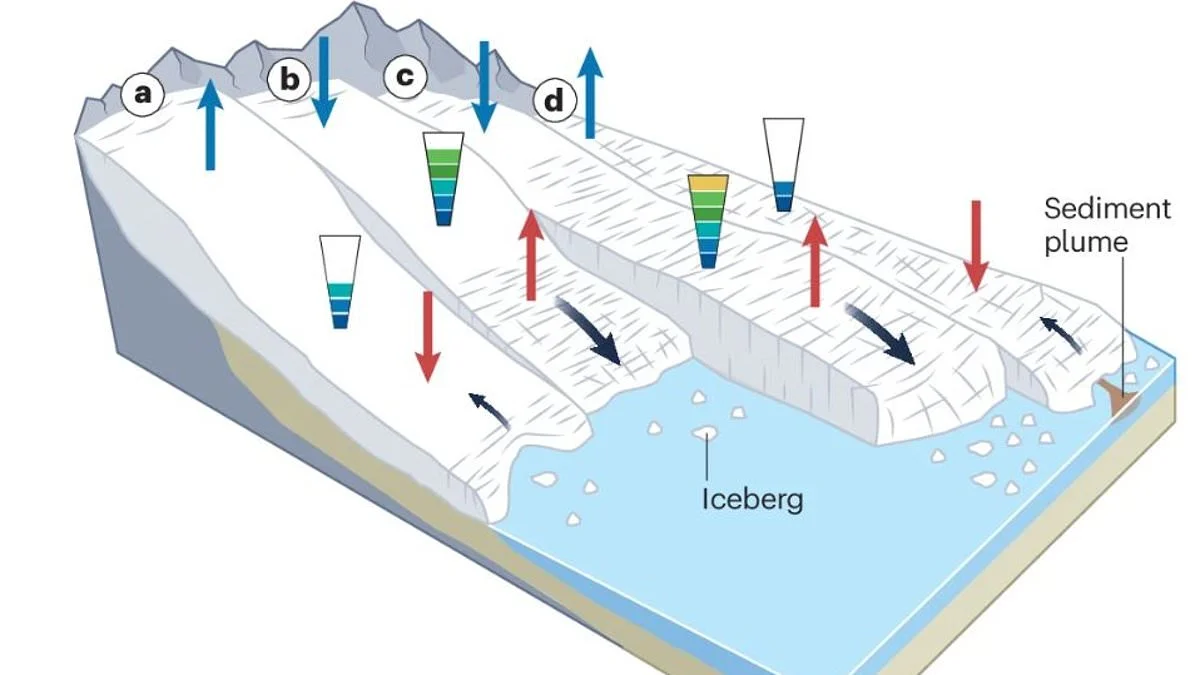
Background on Glacier Surges
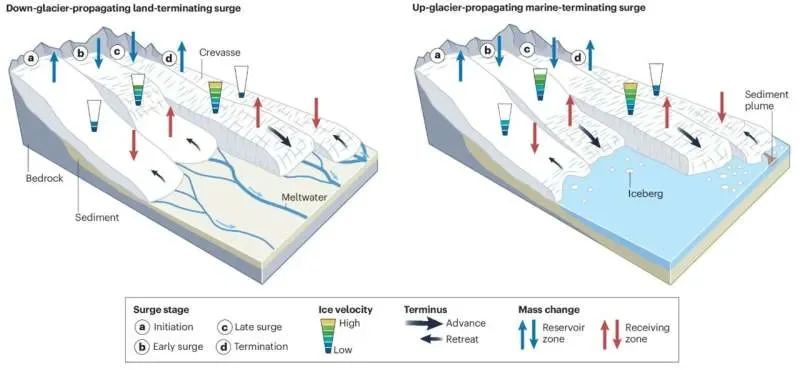
Glaciers typically move very slowly. However, some glaciers, known as "surge-type" glaciers, can suddenly accelerate, moving tens of meters per day for weeks or months. This accelerated movement results in a rapid transfer of ice from higher elevations to lower, warmer areas where it melts quickly. This process can cause significant ice loss over short periods.
Read More: Assam Forest Guards Not Used for Elections After NGT Order on April 2
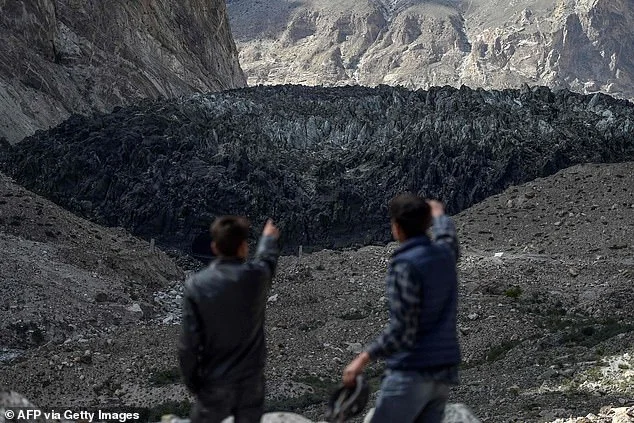
The 3,100 identified glaciers represent a substantial portion of the world's glacial bodies that have exhibited this behavior.
These glaciers are often large and situated close to communities, increasing the potential for hazards.
Many of these surge-type glaciers have a history of repeating these surges over decades.
Changing Dynamics of Glacier Surges
While many glaciers worldwide are shrinking, the surge phenomenon presents a different kind of challenge. Some regions are observing an increase in the frequency of these surges compared to previous decades, while in others, surge activity appears to be declining. This variability indicates that climate change is not uniformly affecting all glaciers in the same way.
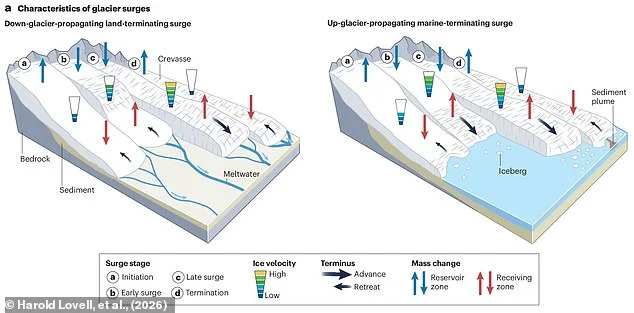
Accelerated Ice Loss: Surges can lead to rapid depletion of ice that has accumulated over long periods, contributing significantly to ice mass loss in certain areas.
Unpredictable Behavior: The observation that some glaciers are surging more frequently, while others are too thin to surge at all, highlights the complex and unforeseen ways glaciers are responding to a warming climate.
Potential for New Surge Areas: There is a possibility that glaciers in regions like the Antarctic Peninsula, where surge-type glaciers have not been previously documented, may begin to exhibit this behavior.
Identified Hazards and Consequences
The rapid advance of surging glaciers can create immediate dangers for people living downstream. The sudden release of large volumes of ice into warmer altitudes leads to swift melting, potentially causing flash floods or altering local landscapes. Furthermore, the sheer volume of ice discharged can contribute to regional ice loss.
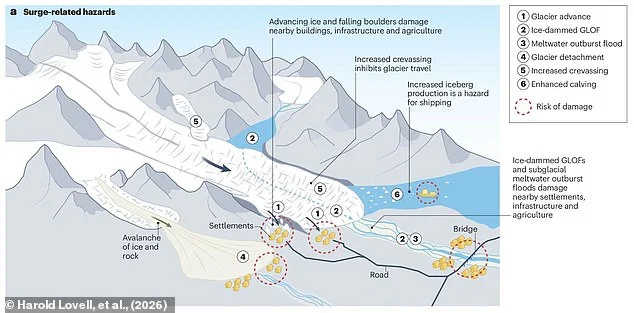
Dangerous Proximity: Many of the most dangerous glaciers, including those in the Karakoram mountain range, are surge-type and are located above inhabited valleys, such as the Shisper glacier.
"Surging Themselves to Death": Some experts note that certain glaciers are losing ice so rapidly through surging that they may eventually run out of the necessary ice volume to continue this behavior.
Complex Response to Warming: Surging glaciers serve as a reminder that ice bodies do not always react to climate warming in simple or easily predictable patterns.
Global Ice Melt and Broader Climate Impacts
The phenomenon of glacier surging occurs against the backdrop of widespread glacial retreat. Scientific projections indicate that the rate of glacier disappearance globally is expected to peak around the mid-2050s. This widespread melting contributes significantly to global sea-level rise and can impact ecosystems, water resources, and cultural heritage.
Read More: New Research Explains Paper Stiffness for Better Recycling in 2024
Long Recovery Times: Even if global temperatures are stabilized, scientists warn that mountain glaciers will take centuries to recover from current changes. This is a phenomenon termed "trough water," following the earlier "peak water" event from increased melt.
Irreversible Changes: Research suggests that some glacier changes may be irreversible, with implications for water availability and regional climates lasting for extended periods.
Volcanic Activity Link: In a separate but related finding, scientists have observed that melting glaciers could potentially make dormant volcanoes more active and prone to more explosive eruptions, as the ice's weight is removed.
Expert Insights
"When glaciers surge, they very quickly spend all the ice they have built up over a long period of time," stated Dr Lovell, as reported by the Daily Mail. "During a surge, a glacier sends large amounts of ice built up over decades racing downhill, where it rapidly melts in the warm lower-altitude weather."
The study, published in Nature Reviews Earth & Environment, compiled a database of over 3,100 glaciers that have surged. The researchers highlight that these surges can "accelerate ice loss, make glaciers more vulnerable to climate change, and create serious hazards for people living downstream of them."
Conclusion and Future Considerations
The identification of 3,100 surging glaciers represents a significant update in our understanding of glacial dynamics in a changing climate. These events, occurring alongside widespread glacial retreat, underscore the complexity of Earth's cryosphere response. The proximity of many of these surging glaciers to human settlements elevates the urgency for improved monitoring and hazard assessment in these regions. Further research is needed to elucidate the precise mechanisms driving increased surge activity in some areas and the long-term implications for ice mass balance and regional safety. The potential for new surge-prone areas and the indirect effects, such as on volcanic activity, indicate a need for a holistic approach to studying glacial systems.
Read More: New Cicada Covid Variant BA.3.2 Has 75 Mutations, May Evade Vaccines
Sources:
phys.org: Global analysis tracks 3,100 glacier surges as climate change rewrites the rules.https://phys.org/news/2026-02-global-analysis-tracks-glacier-surges.html
dailymail.co.uk: Scientists are baffled to discover 3,100 glaciers SURGING.https://www.dailymail.co.uk/sciencetech/article-15556567/Scientists-discover-3100-glaciers-SURGING.html
theconversation.com: Some glaciers can suddenly surge forward – with dangerous consequences.https://theconversation.com/some-glaciers-can-suddenly-surge-forward-with-dangerous-consequences-273976
nature.com: Glacier surging and surge-related hazards in a changing climate.https://www.nature.com/articles/s43017-025-00757-9
abcnews.go.com: Rate of glacier disappearance expected to peak by mid-2050s, scientists say.https://abcnews.go.com/International/rate-glacier-disappearance-expected-peak-mid-2050s-scientists/story?id=128415173
cnn.com: Nearly 40% of the world’s glaciers are already doomed, scientists say.https://edition.cnn.com/2025/06/02/climate/worlds-glaciers-future-study-intl-scli
sciencedaily.com: Glaciers will take centuries to recover even if global warming is reversed, scientists warn.https://www.sciencedaily.com/releases/2025/05/250519131551.htm
independent.co.uk: Melting glaciers could make volcanic eruptions more explosive, study warns.https://www.independent.co.uk/climate-change/news/glaciers-melting-volcano-eruption-explosive-b2784618.html