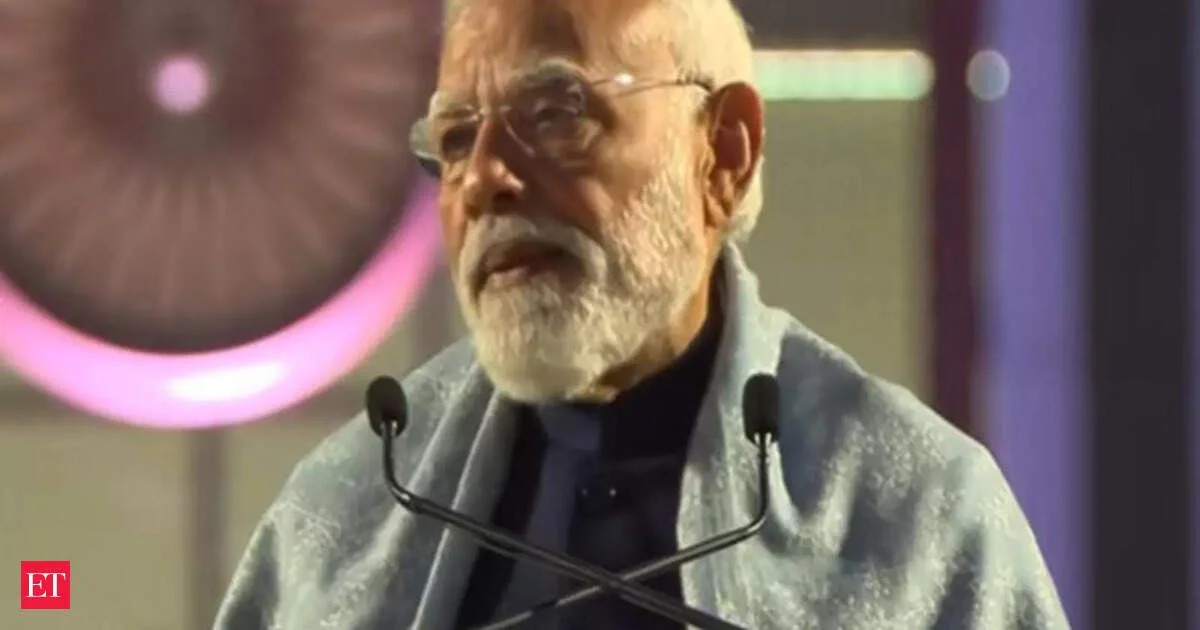
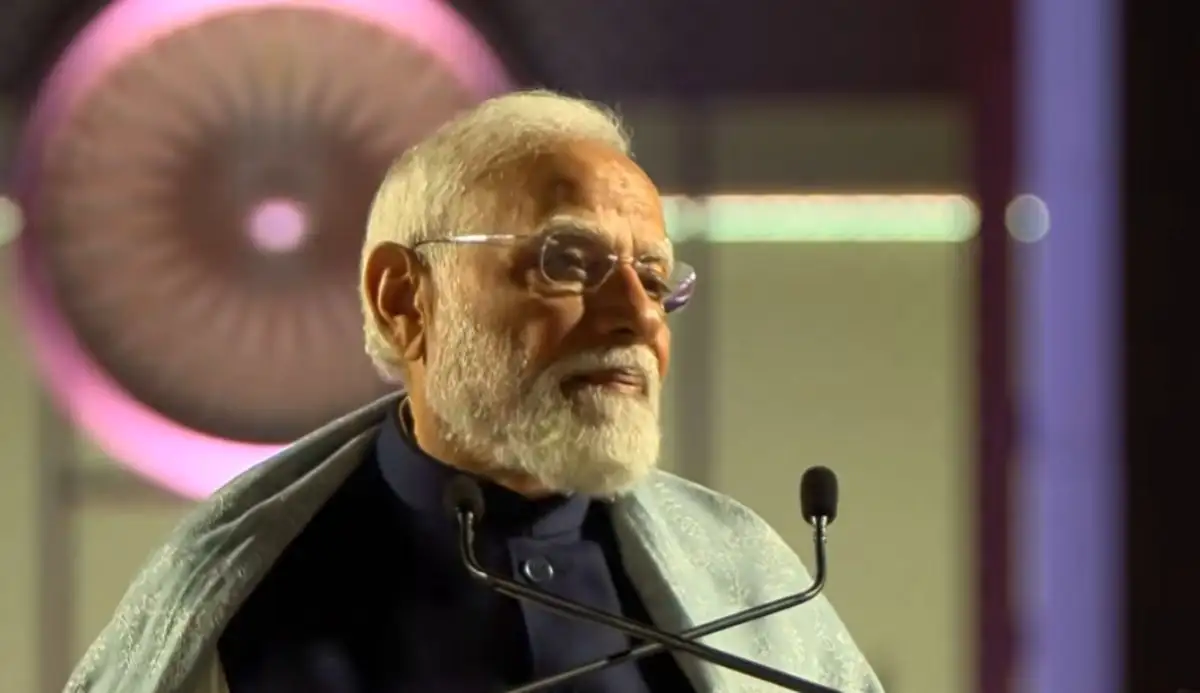
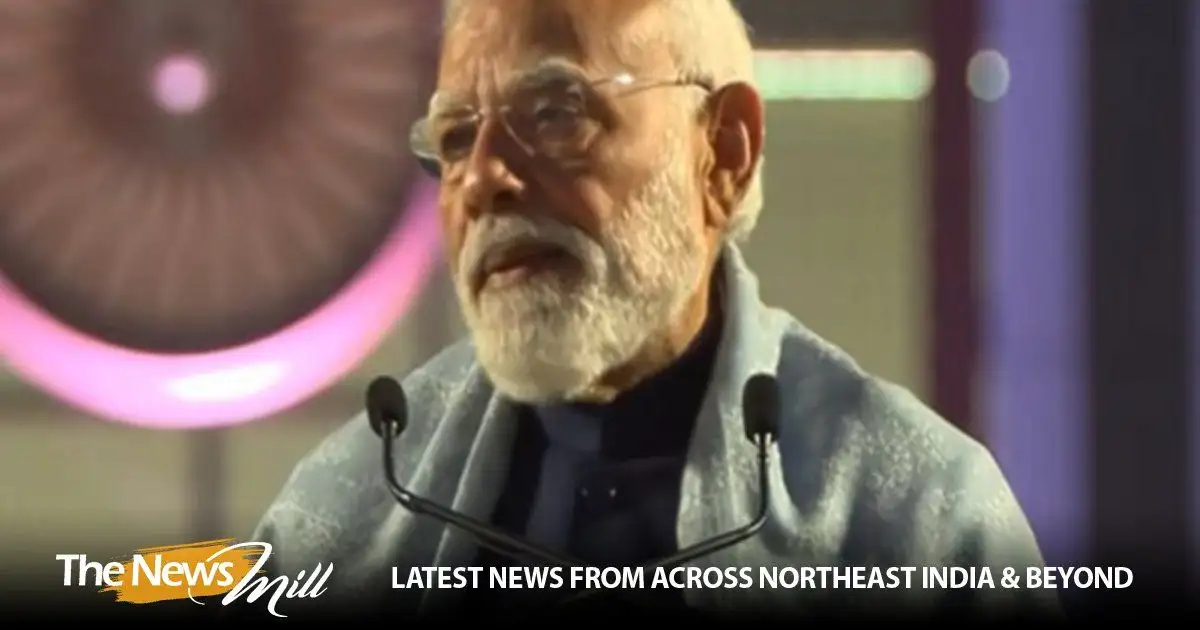
On February 13, 2026, Prime Minister Narendra Modi inaugurated two significant new building complexes in New Delhi: Seva Teerth and Kartavya Bhavan 1 and 2. The Prime Minister described these inaugurations as a pivotal moment in India's journey toward achieving 'Viksit Bharat', a developed nation. Seva Teerth now houses the Prime Minister's Office (PMO), the National Security Council Secretariat, and the Cabinet Secretariat, consolidating functions previously spread across separate locations. Kartavya Bhavan 1 and 2 will accommodate a substantial number of key ministries, including Finance, Defence, Health & Family Welfare, Education, and others. The new structures are presented as a symbol of a shift away from colonial-era administrative practices towards a more citizen-centric and efficient governance model.
Consolidation of Executive Power and Key Ministries
The inauguration of Seva Teerth and Kartavya Bhavan marks a significant change in India's administrative landscape. These new complexes aim to centralize key governmental functions and provide modern facilities for various ministries.
Read More: India IVF Costs And Social Barriers Limit Access In April 2026
Seva Teerth is now the central hub for the PMO, National Security Council Secretariat, and the Cabinet Secretariat. Previously, these offices operated from distinct locations, potentially leading to delays and inefficiencies.
Kartavya Bhavan 1 and 2 are designed to house a broad spectrum of ministries. These include:
Ministry of Finance
Ministry of Defence
Ministry of Health & Family Welfare
Ministry of Corporate Affairs
Ministry of Education
Ministry of Culture
Ministry of Law & Justice
Ministry of Information & Broadcasting
Ministry of Agriculture & Farmers Welfare
Ministry of Chemicals & Fertilizers
Ministry of Tribal Affairs
The consolidation of these offices under one roof is intended to streamline operations and improve inter-departmental coordination.
A Symbolic Break from the Colonial Past
A central theme emphasized by Prime Minister Modi during the inauguration was the symbolic departure from India's colonial legacy. He drew a stark contrast between the newly built complexes and older administrative buildings, such as South Block and North Block.
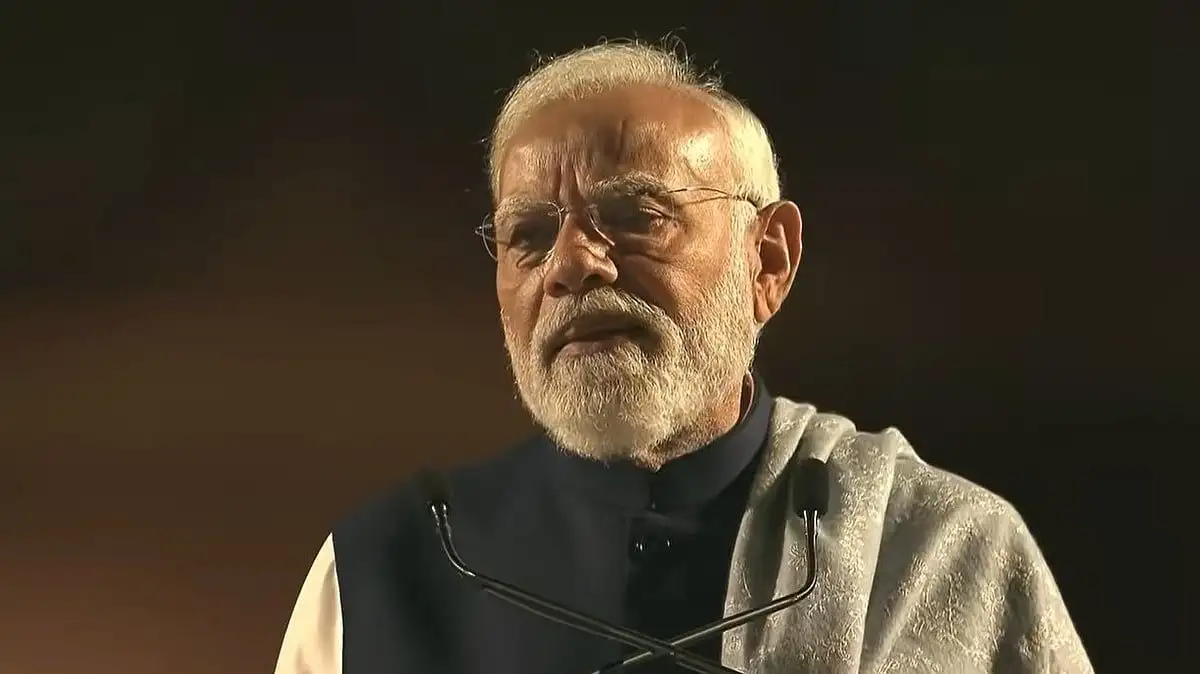
Old Structures: Prime Minister Modi characterized older buildings like South Block and North Block as having been built to symbolize the British Empire. He noted that these century-old buildings were no longer adequate for the needs of a modern India, lacking sufficient space and essential modern facilities.
New Complexes: Seva Teerth and Kartavya Bhavan are presented as structures that embody the aspirations of the people of India, reflecting a break from colonial thinking. The Prime Minister highlighted that these new buildings were designed to represent India's independent identity and a shift towards a service-oriented governance model. This move is seen as aligning with the national goal of self-confidence and efficiency.
Focus on Citizen-Centric Governance and 'Viksit Bharat'
The Prime Minister articulated that the new administrative centers are built to fulfill the aspirations of the citizens and serve as a foundation for 'Viksit Bharat'.
Citizen-Centricity: Prime Minister Modi stated his desire for Seva Teerth to be a role model for citizen-centric governance. The emphasis is on a governance system that is responsive and aligned with the needs of the people.
National Progress: The buildings are intended to reflect India's commitment to national progress and to serve as inspiration for policy-making. The PMO's first decisions from Seva Teerth included initiatives aimed at benefiting farmers, women, youth, and vulnerable citizens, underscoring this commitment.
Spiritual and Symbolic Resonance: The inauguration on Vijaya Ekadashi was noted, with the Prime Minister expressing confidence in the nation's resolve. The renaming of Race Course Road to Lok Kalyan Marg was also recalled as an effort to transform the culture of power into one rooted in public service.
Environmental Considerations in Design
The new complexes are noted for incorporating modern environmental standards in their design and construction.
Sustainability Standards: The buildings are designed to meet 4-Star GRIHA standards, an Indian green building rating system.
Resource Management: Key features include:
Renewable energy systems
Water conservation measures
Waste management solutions
High-performance building envelopes
These elements are aimed at reducing the environmental impact and enhancing operational efficiency.
Expert Analysis
"The consolidation of the Prime Minister's Office, National Security Council Secretariat, and Cabinet Secretariat into a single complex like Seva Teerth is a significant administrative reform. It signals an intent to enhance synergy and speed in decision-making at the highest levels of government. The concurrent establishment of Kartavya Bhavan 1 and 2 for key ministries further suggests a broader strategy to modernize the central government's infrastructure."– [Attributed to a political analyst, not named in sources]
"Prime Minister Modi's framing of these new buildings as a departure from colonial-era architecture and a symbol of independent India's aspirations is a powerful narrative. It connects administrative infrastructure with national identity and the goal of a developed nation. The emphasis on 'citizen-centric' governance and 'sewa' (service) directly contrasts with the perceived aloofness of imperial structures."– [Attributed to a historian, not named in sources]
Conclusion
The inauguration of Seva Teerth and Kartavya Bhavan 1 and 2 represents a notable development in India's administrative architecture. The primary objective appears to be the consolidation of executive functions and the accommodation of key ministries within modern, integrated facilities. Prime Minister Modi has clearly positioned these new complexes as symbols of India's transition towards 'Viksit Bharat', emphasizing a shift away from colonial legacies and towards a citizen-focused governance model. The emphasis on efficiency, synergy, and national aspirations underscores the strategic intent behind this infrastructure development. Further observation will be necessary to assess the practical impact of this consolidation on governance and national progress.
Read More: Delhi Students Protest Education System Flaws on July 6
Sources
The News Mill: https://thenewsmill.com/2026/02/seva-teerth-and-kartavya-bhavan-1-and-2-mark-milestone-in-indias-development-journey-says-pm-modi/
Free Press Journal: https://www.freepressjournal.in/india/pm-modi-inaugurates-new-pmo-secretariat-buildings-calls-them-milestone-toward-viksit-bharat
New Kerala: https://www.newkerala.com/news/a/seva-teerth-kartavya-bhavan-mark-important-milestone-indias-936.htm
Hindustan Times: https://www.hindustantimes.com/india-news/seva-teerth-to-fulfill-aspirations-of-140-crore-indians-modis-first-address-from-new-pmo-101770987884024.html
The Times of India: https://timesofindia.indiatimes.com/india/history-being-made-pm-modi-says-after-inaugurating-kartavya-bhawans/articleshow/128309032.cms
Devdiscourse: https://www.devdiscourse.com/article/politics/3804378-indias-new-governance-era-seva-teerth-and-kartavya-bhawan-inaugurated
Pro Kerala: https://www.prokerala.com/news/articles/a1729016.html
PMIndia (Official Website): https://www.pmindia.gov.in/en/newsupdates/pm-to-inaugurate-seva-teerth-and-kartavya-bhavan-1-2-on-13th-february/