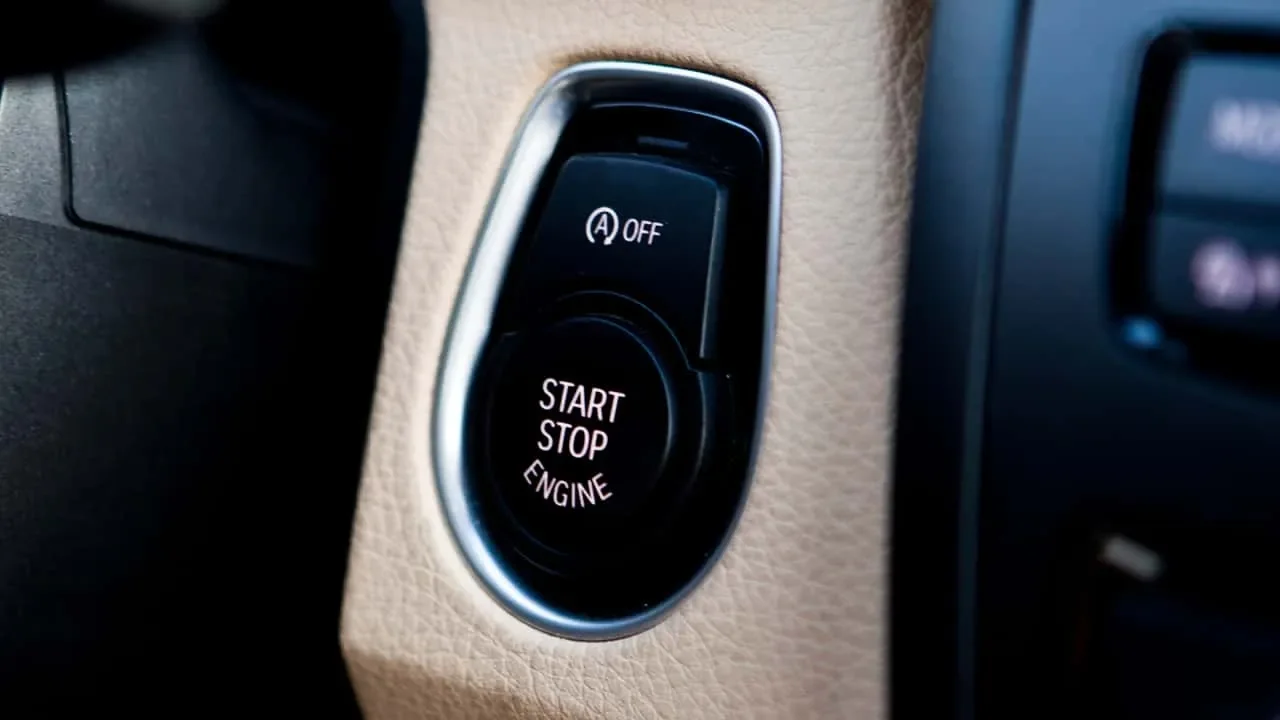
The United States Environmental Protection Agency (EPA) has finalized a rule that removes emissions credits previously awarded to automakers for incorporating automatic start/stop technology in their vehicles. This move signals a significant shift in regulatory incentives, potentially impacting how car manufacturers design future models and meet environmental standards. The decision, presented as a step toward consumer choice and reduced costs, has also drawn concern from environmental advocates regarding its effect on fuel efficiency and emissions reduction goals.

Regulatory Landscape and Automaker Practices
Automatic start/stop systems, which temporarily shut off a vehicle's engine when it idles at a stop to save fuel and reduce emissions, have become a common feature in new vehicles. This technology was often adopted by automakers to help meet federal fuel economy and greenhouse gas targets. Under previous EPA frameworks, manufacturers could earn "off-cycle" credits for implementing such systems, alongside other efficiency-enhancing technologies.
Read More: Warmer Alaska Waters Let Pike Invade New Areas, Hurting Salmon
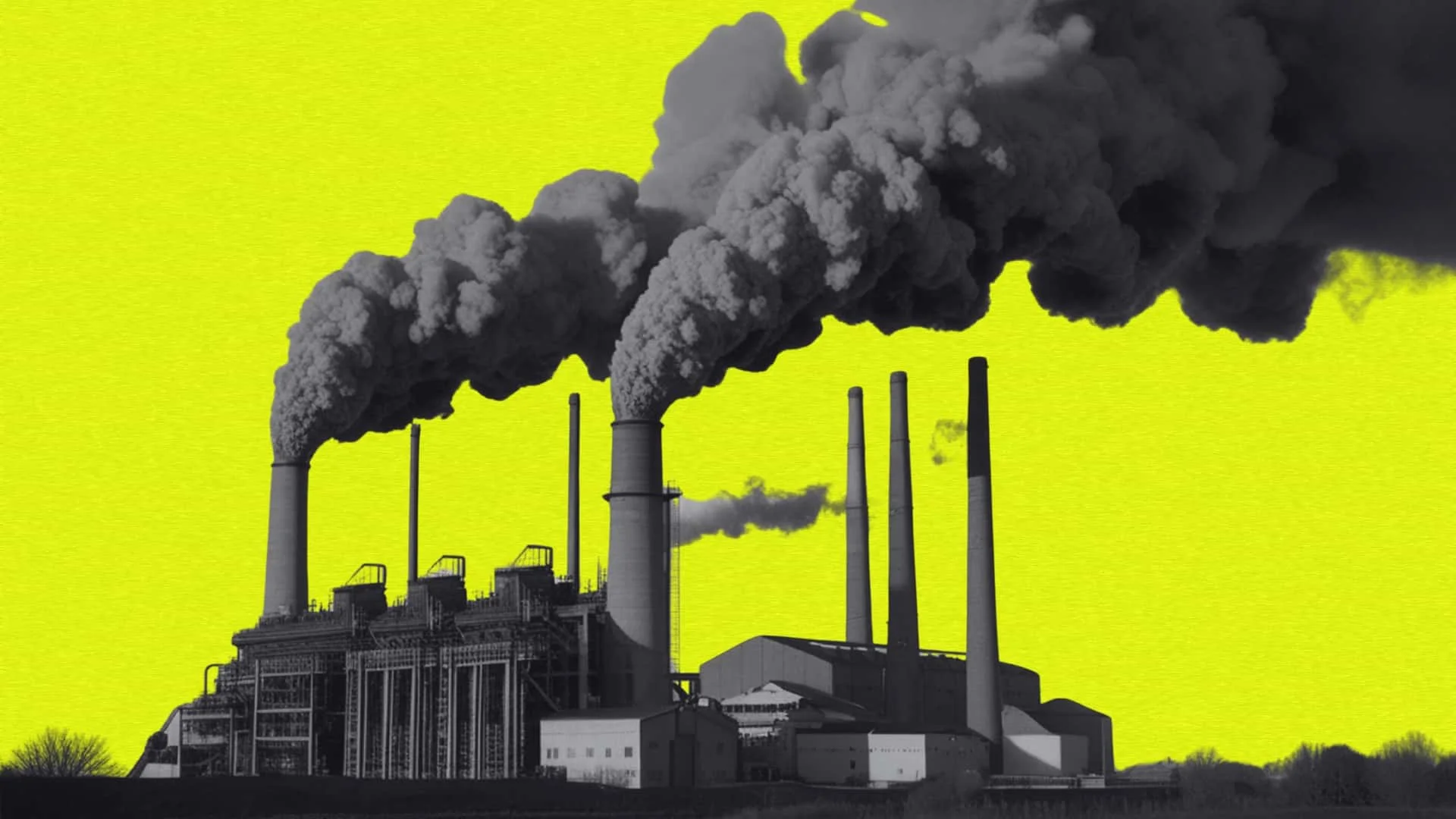
Approximately two-thirds of new cars and trucks currently feature start/stop technology.
The technology was not federally mandated, and most vehicles allow drivers to manually disable the system.
Automakers utilized these credits as part of a broader strategy to comply with evolving emissions regulations.
EPA's Rationale and Stated Objectives
The EPA, under Administrator Lee Zeldin, has framed the elimination of these credits as a move to remove an "idiotic" and "universally hated" feature that offers no significant environmental benefit and can negatively impact vehicle components like batteries. The agency contends that rescinding the credits and the underlying regulatory framework will save the American economy substantial sums and alleviate cost burdens on automakers and consumers.
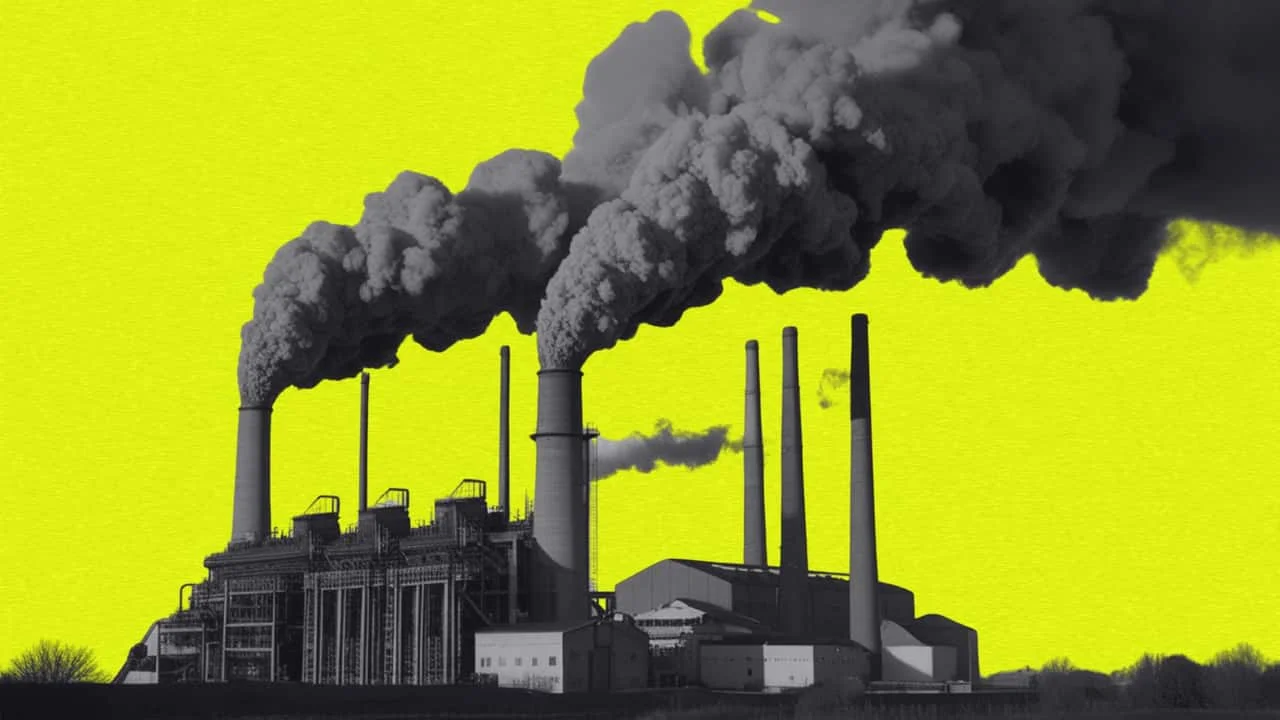
Consumer Choice: The EPA asserts the decision empowers consumers by removing a feature many find annoying.
Cost Reduction: The agency claims the action will lower car prices by removing regulatory costs associated with the technology.
Economic Revitalization: Officials suggest this deregulation supports American manufacturing and reduces uncertainty for the auto industry.
Legal Basis Questioned: The EPA also stated that the original finding used to regulate greenhouse gases lacked sufficient legal basis.
Criticisms and Environmental Concerns
Environmental groups and some industry observers express apprehension that the removal of incentives for fuel-saving technologies could hinder progress in reducing vehicle emissions and make it more challenging for automakers to achieve future efficiency targets. They argue that while start/stop systems may have minor impacts individually, collectively they contribute to incremental pollution reduction.
Progressive Emissions Reduction: Critics worry that removing incentives for even small efficiency gains could slow overall pollution reduction.
Meeting Future Goals: The move may create difficulties for automakers in meeting more stringent future environmental standards.
Disconnect with Market Trends: Some have noted that the decision contrasts with global market trends favoring efficiency and reduced emissions.
Evidence and Official Statements
The EPA's action is formally documented in a final rule that eliminates the off-cycle credits for automatic start/stop systems. This decision is linked to a broader rollback of environmental regulations initiated by the Trump administration.
Read More: Pokopia Game Boosts Switch 2 Sales in UK with New Console Bundles
"The EPA is proudly fixing this stupid feature at Trump Speed. … Automakers can still add auto stop/start to their vehicles if they so choose." - Administrator Zeldin
"The Trump administration's action pushes back on a broader range of environmental regulations that it says has pushed up car prices." - CBS News
"Removing incentives for technologies like start-stop systems could slow incremental progress in reducing fuel consumption and emissions from gasoline-powered cars." - Environmental Advocates
Impact on Automakers and Vehicle Technology
While automakers can continue to include start/stop technology voluntarily, the removal of regulatory credits removes a key financial incentive. This could lead to a decrease in the prevalence of the feature on new vehicles, as manufacturers re-evaluate its cost-benefit in the absence of regulatory advantages. The long-term impact on vehicle design and overall fleet efficiency remains to be seen.
Automakers are no longer incentivized to install start/stop systems for regulatory credit.
The technology was not a mandate, allowing manufacturers discretion in its use.
This deregulation is part of a larger pattern of rescinded environmental rules.
Potential for Legal Challenges
The EPA's decision, particularly its rescission of the Greenhouse Gas Endangerment Finding, is expected to face legal scrutiny from environmental groups and several states. These entities have previously challenged regulatory rollbacks, arguing they violate environmental laws and undermine climate protection efforts.
Legal challenges are anticipated from environmental organizations and state governments.
The foundation of these challenges may include the EPA's revised stance on greenhouse gas endangerment.
*
Sources:
Motor1: https://www.motor1.com/news/787177/auto-stop-start-in-cars-dead/
CBS News: https://www.cbsnews.com/news/trump-epa-start-stop-feature-cars-impact/
The Autopian: https://www.theautopian.com/the-epa-just-eliminated-automaker-benefits-for-stop-start-tech-heres-what-that-means-for-your-next-car/
US EPA: https://www.epa.gov/newsreleases/administrator-zeldin-eliminates-cycle-credit-almost-universally-hated-start-stop
AutoWeek: https://www.autoweek.com/news/a70336672/epa-to-eliminate-incentives-for-auto-start-stop-systems/
Motor1 Features: https://www.motor1.com/features/787188/epa-gutting-emissions-regulations/
YourNews: https://yournews.com/2026/02/12/6454410/trump-epa-ends-start-stop-emissions-credits-escalating-rollback-of-auto/
Washington Examiner: https://www.washingtonexaminer.com/policy/energy-and-environment/4456382/controversial-car-stop-start-systems-end-trump-deregulation/
Auto Connected Car News: https://www.autoconnectedcar.com/2026/02/epa-rescinds-endangerment-finding-kills-start-stop-off-cycle-credits/