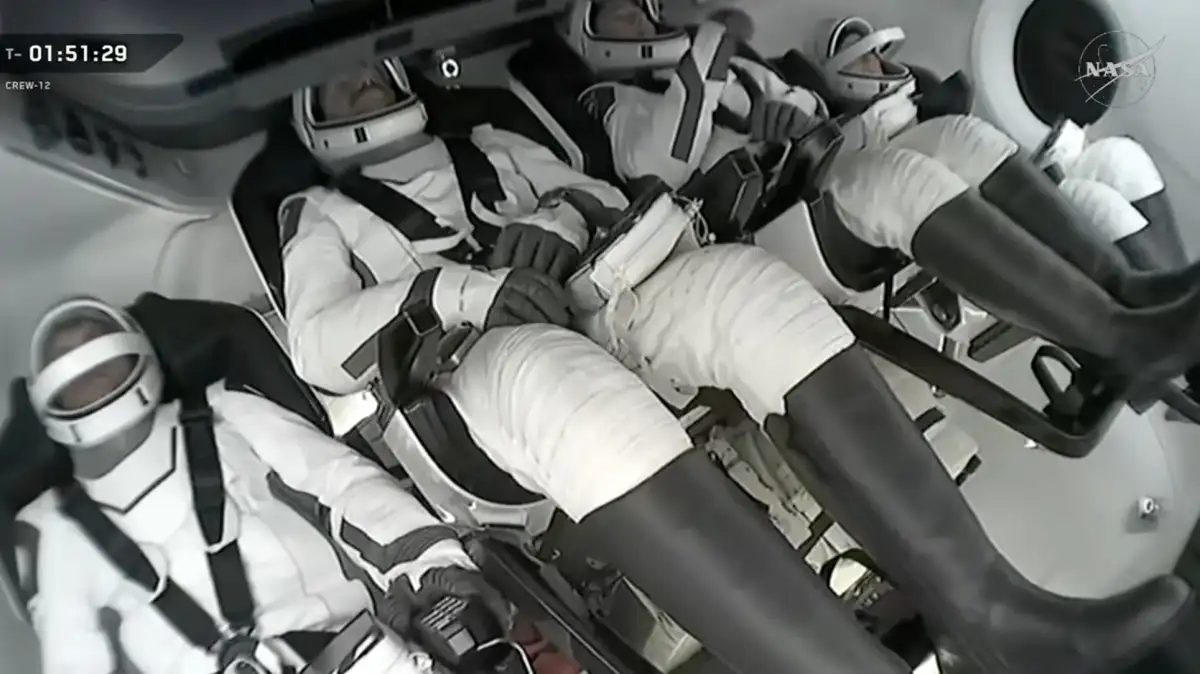
A new four-person crew has launched to the International Space Station (ISS), arriving to relieve a team that returned to Earth sooner than planned due to a medical issue. This mission, designated Crew-12, aims to re-establish a full operational capacity on the orbiting laboratory.
The previous crew, Crew-11, concluded their mission prematurely in January 2026. This necessitated an adjustment to the schedule for Crew-12, with their launch date being brought forward. The urgency was to ensure the ISS maintained adequate staffing levels for its ongoing scientific and operational duties.
Timeline of Events and Key Actors
The circumstances leading to the early departure of Crew-11 and the subsequent launch of Crew-12 unfolded over several weeks.
January 2026: Four astronauts of Crew-11 departed the ISS earlier than scheduled. This was confirmed by NASA as being due to a "health concern" affecting one of the crew members. The affected astronaut experienced an undisclosed medical issue.
Mid-January 2026: The remaining three astronauts from Crew-11 were left aboard the ISS. This marked a period of understaffing for the orbiting outpost.
Late January 2026: NASA and SpaceX began preparations for the Crew-12 mission. Reports indicated the launch date was being moved up to address the reduced crew size on the ISS.
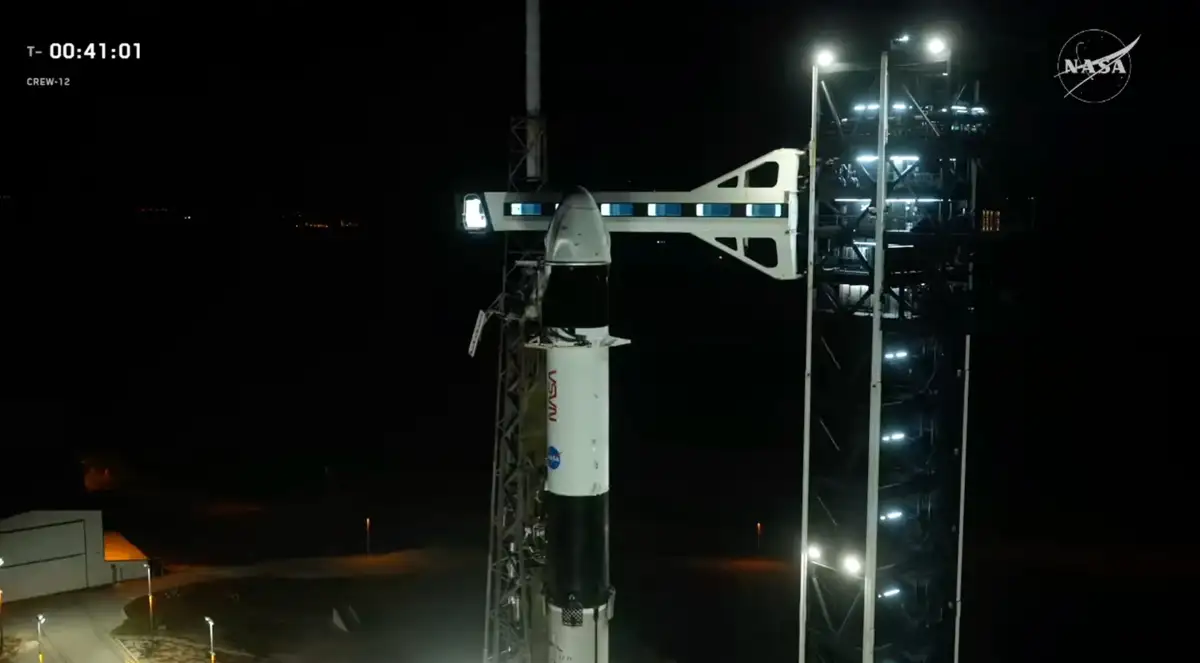
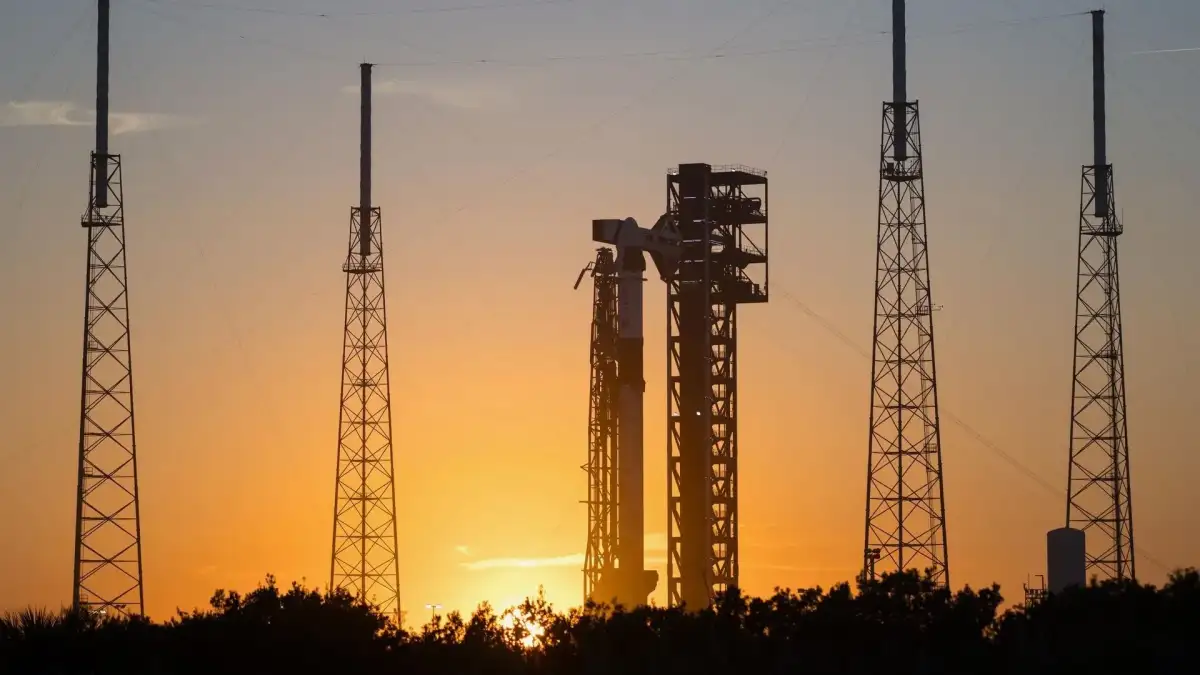
Early February 2026: The Crew-12 mission, comprising Jessica Meir (NASA), Jack Hathaway (NASA), Sophie Adenot (European Space Agency), and Andrey Fedyaev (Roscosmos), successfully launched aboard a SpaceX Falcon 9 rocket. The launch occurred from Cape Canaveral Space Force Station.
February 2026: Crew-12 arrived at the ISS to begin their mission and take over duties. They were not able to conduct a direct crew-to-crew handover with Crew-11, as the previous team had already returned to Earth.
The crew members of Crew-12 included both experienced astronauts and those making their first journey to space. Meir and Fedyaev were on their second ISS visits, while Hathaway and Adenot were new to spaceflight.
Read More: NASA Fuel Cell Test For Moon Energy Storage Successful
Evidence of Mission and Circumstances
Multiple reports confirm the launch of Crew-12 and the preceding early departure of Crew-11.
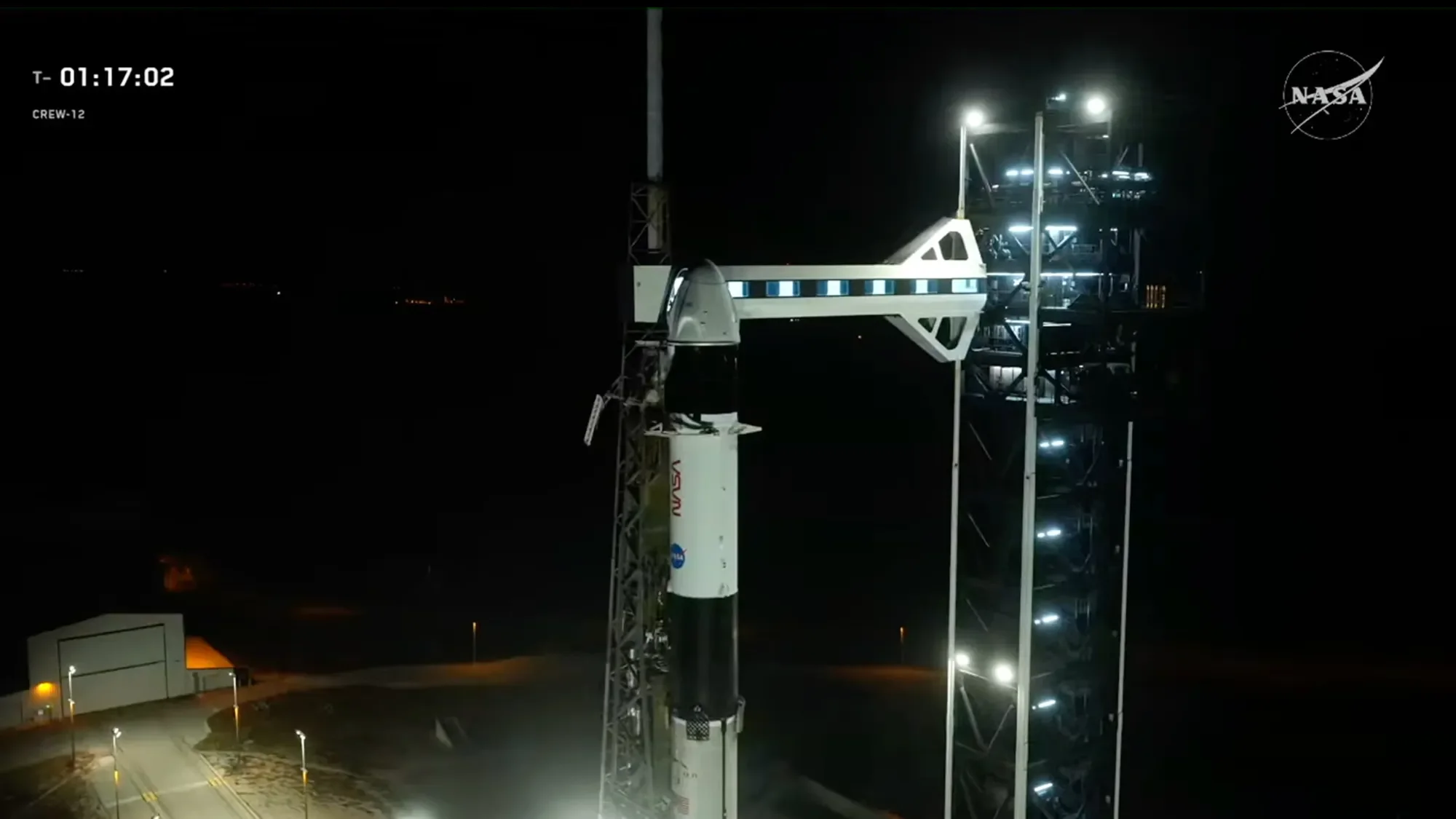
Launch Confirmation: Reports from BBC News, Space.com, and CBS News provide live coverage and detailed accounts of the Crew-12 launch on a SpaceX Falcon 9 rocket. The launch was confirmed by NASA and occurred on a Friday in February 2026.
Crew-11's Departure: CNN reported on January 14, 2026, that four astronauts had departed the ISS, marking the first time NASA had brought a crew home prematurely due to a health concern. This departure was preceded by a medical evacuation.
Medical Evacuation Context: US News described the event as NASA's first medical evacuation from space. The need for an evacuation was identified around January 7, 2026, leading to the early return of the Crew-11 members.
Mission Acceleration: USA Today noted that the Crew-12 mission was being accelerated. SpaceLaunchSchedule.com also confirmed NASA's statement about the need to re-staff the ISS following the emergency medical evacuation.
Crew Composition and Experience
The composition of Crew-12 highlights the international nature of ISS operations.
| Astronaut | Affiliation | Previous ISS Missions |
|---|---|---|
| Jessica Meir | NASA | One |
| Jack Hathaway | NASA | Zero |
| Sophie Adenot | ESA | Zero |
| Andrey Fedyaev | Roscosmos | One |
Reasons for Early Departure
The departure of Crew-11 was directly linked to a medical issue.
An undisclosed medical problem affected one of the Crew-11 astronauts.
This led to an early return to Earth, a situation described as a "medical evacuation."
The need to replace the returning crew members prompted the acceleration of the Crew-12 launch.
Implications of a Reduced ISS Crew
The departure of Crew-11 left the ISS with a significantly reduced number of personnel.
Following Crew-11's return, only three astronauts remained on the orbiting laboratory: Sergey Kud-Sverchkov and Sergei Mikaev (Russia), and Chris Williams (NASA).
This situation had implications for ongoing research and maintenance tasks. NASA had to put planned spacewalks and other duties on hold while awaiting the arrival of Crew-12.
The arrival of Crew-12 restores the station's crew size to a more standard operational level, enabling the resumption of full scientific activities.
International Cooperation Amidst Challenges
The event underscores the cooperative framework of the ISS program, even when facing unexpected challenges.
The Crew-12 mission includes astronauts from the United States, Russia, and the European Space Agency, demonstrating continued international partnership.
Despite the disruption caused by the medical evacuation of Crew-11, the launch of Crew-12 proceeded, ensuring the continuity of ISS operations.
The mission signifies the ability of space agencies to adapt and respond to unforeseen circumstances to maintain the integrity of long-duration space missions.
Conclusion and Next Steps
The successful launch and arrival of Crew-12 have resolved the immediate staffing shortage on the International Space Station. The mission addresses the need to replace the Crew-11 team, whose early return was necessitated by a medical issue. The accelerated launch schedule and the composition of Crew-12 highlight the operational resilience and international collaboration inherent in space exploration.
The immediate next steps involve Crew-12 integrating into station operations, taking over responsibilities, and continuing the scientific research planned for their mission. The status and recovery of the affected Crew-11 astronaut are matters for medical assessment. The focus for NASA and its partners now shifts to the successful execution of the Crew-12 mission.
Read More: New Light Copper Catalysts Make Chemical Reactions Easier
Sources
BBC News: "Watch live as four astronauts blast off to International Space Station - watch live" - Published 46 minutes ago. https://www.bbc.com/news/live/c5yjrz5rlejt
Space.com: "SpaceX Crew-12 launch live updates: Falcon 9 rocket launching ISS astronauts today" - Published 16 hours ago. https://www.space.com/news/live/spacex-nasa-crew-12-astronauts-launch-to-iss-feb-12-2026
CBS News: "Replacement space station crew, launching ahead of schedule, eager to go" - Published 4 days ago. https://www.cbsnews.com/news/replacement-space-station-crew-launching-ahead-of-schedule-eager-to-go/
US News: "New Astronauts Launch to the International Space Station After Medical Evacuation" - Published 10 hours ago. https://www.usnews.com/news/news/articles/2026-02-13/new-astronauts-launch-to-the-international-space-station-after-medical-evacuation
CNN: "4 astronauts depart ISS, leaving behind just 3 crewmates to staff the orbiting lab" - Published Jan 14, 2026. https://edition.cnn.com/2026/01/14/science/nasa-astronauts-depart-iss-health-concern
USA Today: "SpaceX Crew-12 launch date to be moved up. What to know about mission" - Published 6 days ago. https://www.usatoday.com/story/news/nation/2026/02/06/spacex-crew-12-launch-date/88524803007/