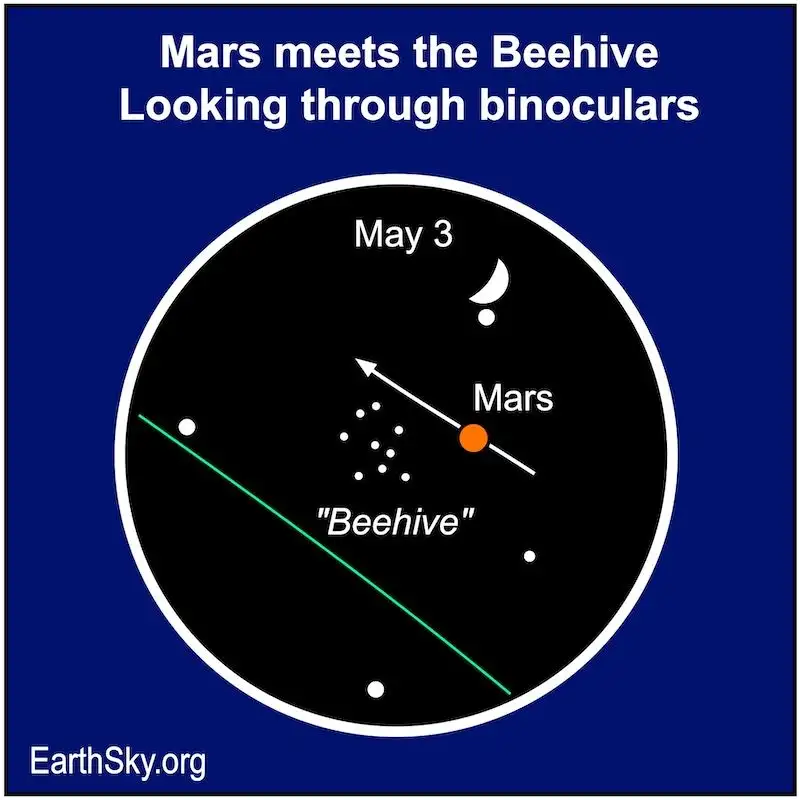
New Delhi - For the stargazing public, the constellation Cancer, or the Crab, offers a visual prize in the form of the open star cluster M44, commonly known as the Beehive Cluster. This celestial grouping, however, presents a challenge due to the absence of exceptionally bright stars within its constellation boundaries, demanding patience and specific viewing conditions.
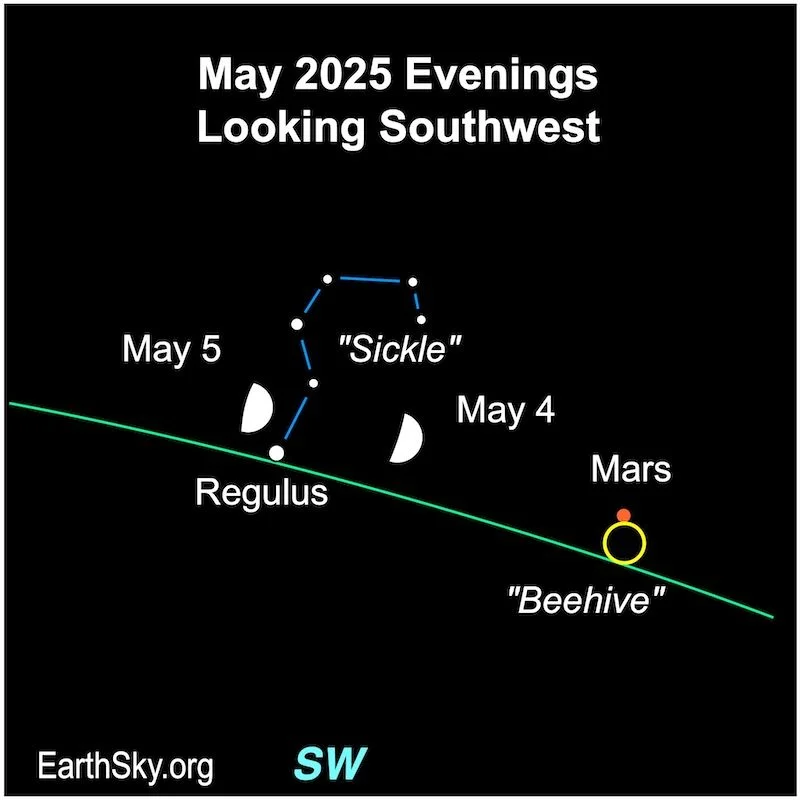
The Beehive Cluster, M44, is now visible in the southern sky during late evening hours. For observers in the southern hemisphere, Cancer appears lower in the sky and towards the northwest. The cluster itself spans an area approximately three times the diameter of a full moon. To optimize viewing, individuals are advised to seek locations significantly removed from urban light pollution and allow their eyes at least 20 minutes to adapt to the darkness.
Read More: JWST Finds Oldest Barred Spiral Galaxy M1149-BSG-z5
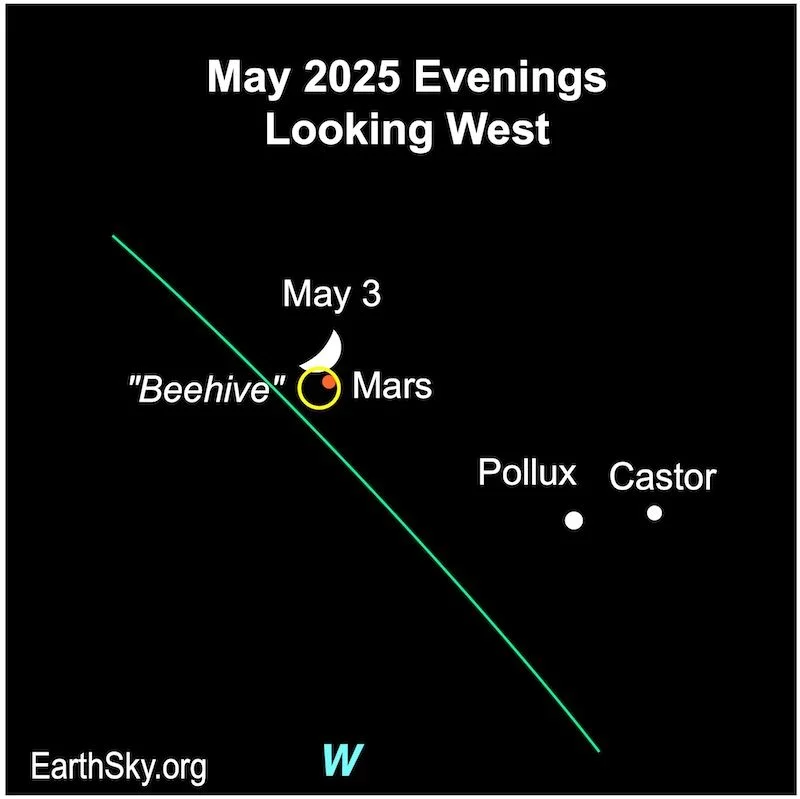
While March's evening sky offers navigational aids like the brilliantly shining 'Venus' and a 'crescent moon', these celestial events may not necessarily enhance the visibility of the Beehive Cluster itself. In fact, reports suggest that the Beehive Cluster is best observed against a dark sky, notably without the moon's presence. This suggests that for clear observation of M44, the presence of these other celestial bodies might, at best, serve as markers rather than enhancers.
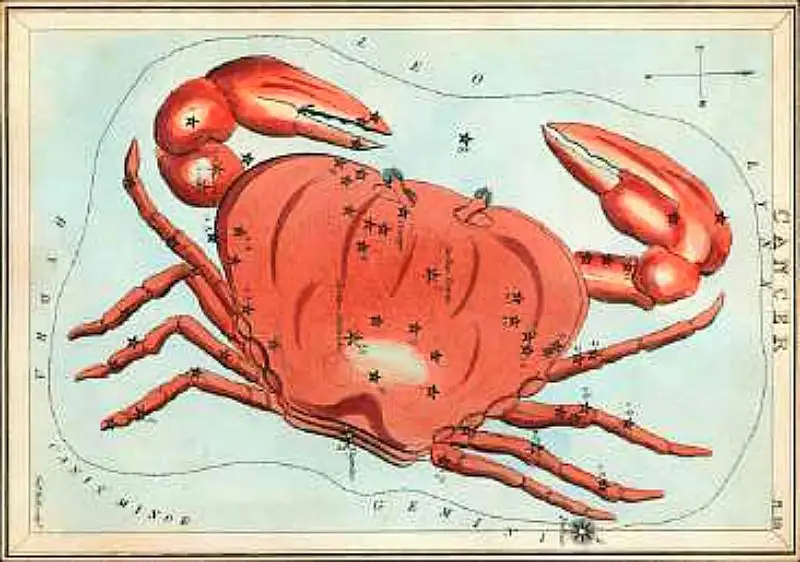
Cancer is situated between the prominent stars 'Castor' and 'Pollux' of Gemini and 'Regulus' of Leo. The constellation is described as not readily apparent, often resulting in a viewing experience where "you see, well, nothing much." For those in the Northern Hemisphere, an alternative viewing window exists during the pre-dawn hours of autumn.
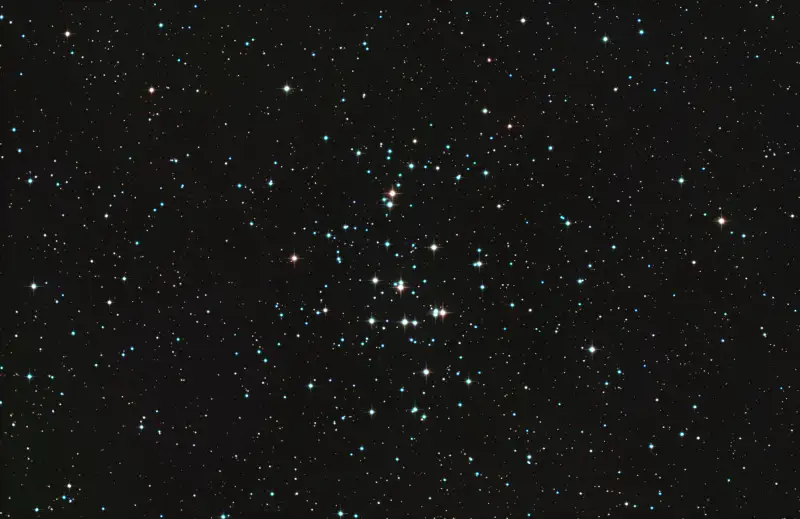
The Beehive Cluster, M44, is a notable open star cluster, a collection of stars loosely bound by gravity. Its designation as M44 places it within Charles Messier's catalogue of deep-sky objects, compiled to distinguish nebulae and star clusters from comets.
Read More: Cockroach Party Founder Dipke Arrives in Delhi Amid Job Woes