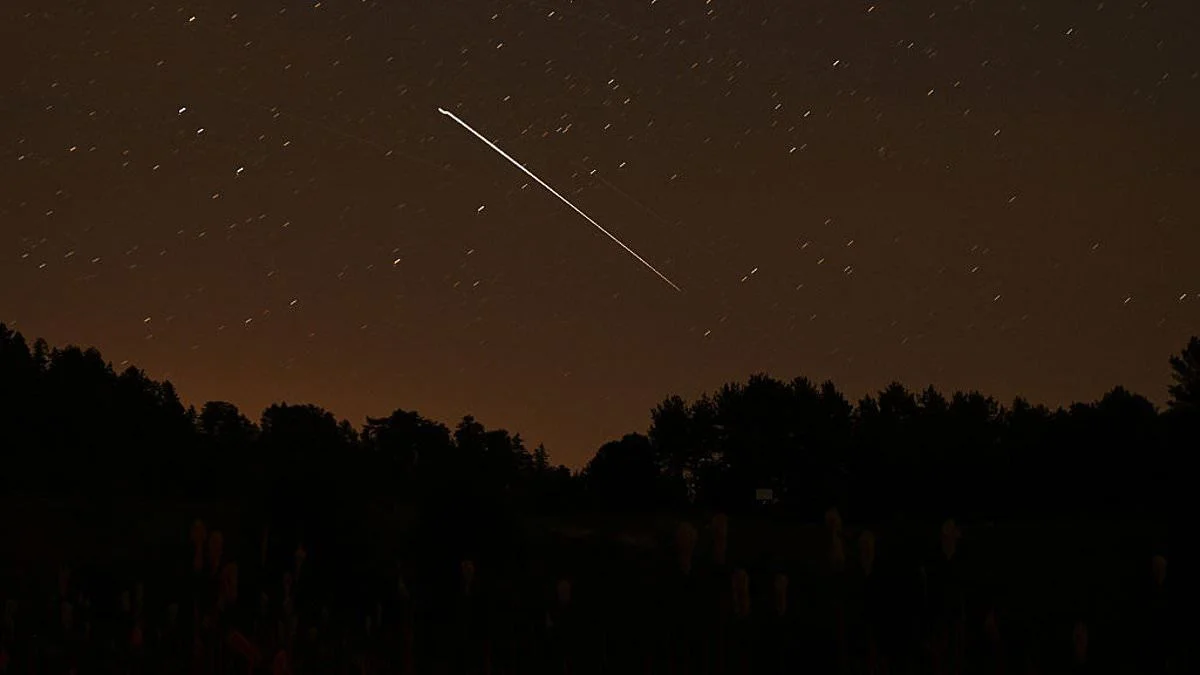
Ideal weather conditions are forecast across much of the United Kingdom for the peak of the Lyrid meteor shower, set to occur today, 22 April 2026. Stargazers can anticipate clear skies as high pressure dominates, minimising cloud cover that could obscure the celestial event.
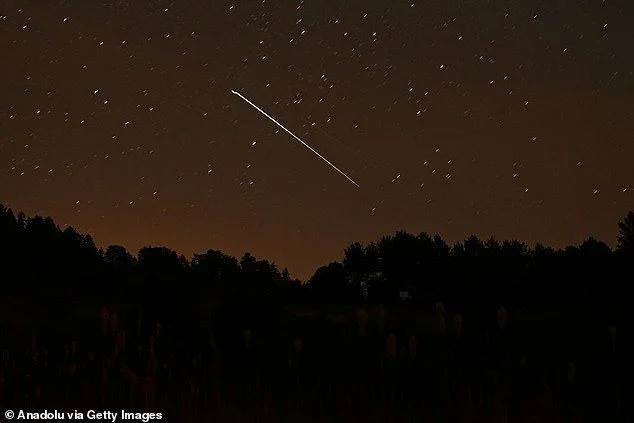
The Lyrid meteor shower reaches its zenith on 22 April, coinciding with a waxing crescent moon that will set shortly after midnight. This positioning is expected to limit significant light pollution, offering a darker sky crucial for observing the fainter meteor streaks.
The shower, which heralds the end of several months of leaner meteor activity, originates from the dust trail of Comet Thatcher. While the Lyrids are not the most active shower of the year, producing an estimated rate of up to 20 meteors per hour at their peak, they are known for their bright, fast meteors, some of which leave behind glowing trails.
Read More: JWST Finds Oldest Barred Spiral Galaxy M1149-BSG-z5
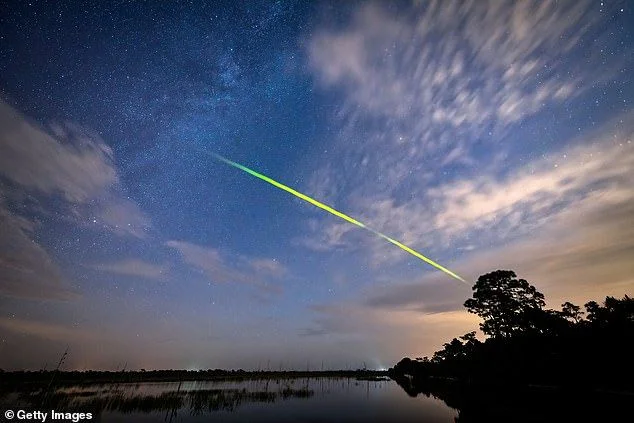
Observing the Lyrids
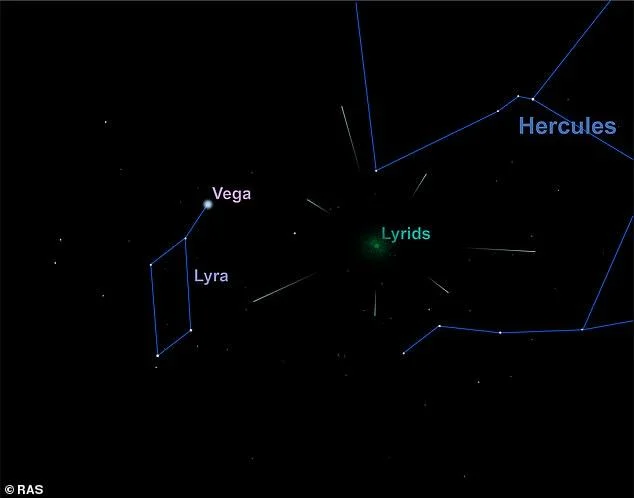
To catch the display, observers are advised to find locations away from urban light pollution. Allowing eyes to adjust to the darkness is key to spotting more meteors. The Lyrids' 'radiant' – the point from which the meteors appear to emanate – is located in the constellation Lyra, situated between the Summer Triangle asterism and the constellation Hercules. While the Northern Hemisphere offers the best viewing, the shower is also visible, albeit at a lower rate, in parts of the Southern Hemisphere.
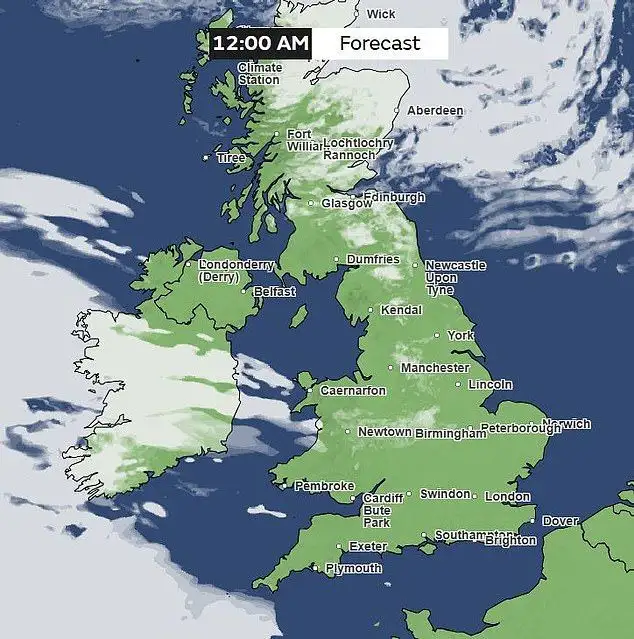
Background
The Lyrids hold the distinction of being one of the oldest known meteor showers, with recorded sightings dating back over 2,700 years. This annual event occurs as the Earth passes through the debris left behind by Comet Thatcher.
Separately, the Eta Aquariids meteor shower is also active, beginning on 19 April and peaking on 5 May. This shower is generally more intense than the Lyrids.
Read More: Tess Daly wears wedding ring in London after split from Vernon Kay