


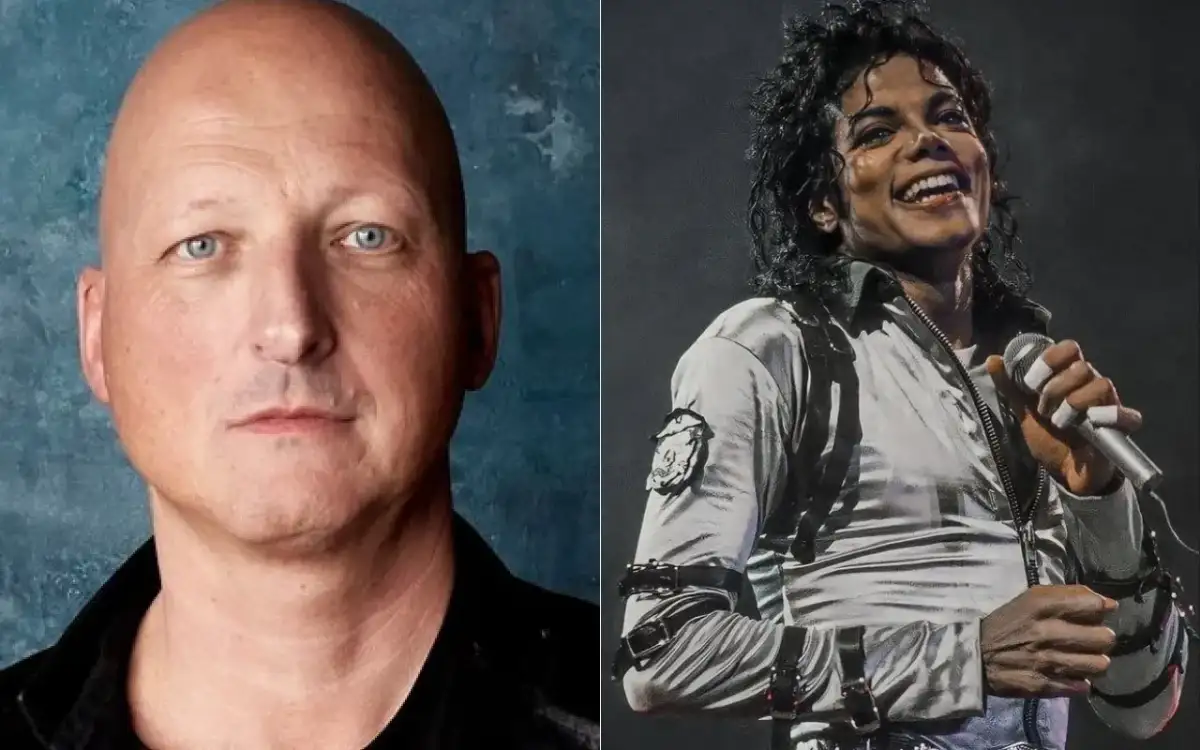
Dan Reed, the director behind the HBO documentary Leaving Neverland, has resurfaced with stark pronouncements regarding Michael Jackson's alleged abuses, comparing the late pop star to Jeffrey Epstein. Reed’s recent comments, made in interviews published in early April 2026, articulate a deep frustration with public and industry reception to the allegations detailed in his work, particularly in light of the recent biopic Michael. He claims the film’s existence, and the public’s engagement with it, demonstrates a wilful disregard for the testimonies of accusers Wade Robson and James Safechuck.

Reed asserts that the public's preference for Jackson’s music over acknowledging his alleged offenses signifies a widespread societal apathy towards child sexual abuse, stating, "people don’t care that he was a child molester." He also criticizes the Michael Jackson estate and director Antoine Fuqua for what he perceives as a financially motivated narrative surrounding the biopic, suggesting that everyone involved in the new film is "making bank." This sentiment extends to HBO, which he claims has "buried" Leaving Neverland following a settlement with the estate that included removing the documentary from its streaming platform.
Read More: Taylor Swift and Travis Kelce Marry at Madison Square Garden

Public Apathy and Legal Battles
The director argues that despite the graphic nature of the accusations presented in Leaving Neverland, many viewers remain unwilling to reconcile Jackson's legacy with the allegations. Reed posits that without explicit video evidence, public opinion appears largely unshaken, lamenting that "short of having actual video evidence of Michael Jackson engaged in sexual intercourse with a 7-year-old child, I don’t know what would be sufficient to change these people’s minds." He explicitly states he has "never advocated canceling Michael Jackson" but implores audiences to consider the implications of enjoying his music while acknowledging the alleged abuse.
Read More: WNBA Players Face Online Harassment Increases in April 2026

The removal of Leaving Neverland from HBO's Max platform is a central point of contention for Reed. According to reports, a settlement agreement between the estate and HBO included the stipulation to pull the documentary. The estate, represented by attorney Howard Weitzman, has previously argued that the documentary’s subjects, Robson and Safechuck, were motivated by financial gain and that the film itself was biased. Reed, however, has maintained that Robson and Safechuck were not compensated for their participation. He also pointed to a 10-year licensing agreement with HBO for the film, hinting at a potential future return to the platform and a continued collaboration on the theme.
Critiques of the Biopic and Industry Response
Reed's comparisons of Jackson to Jeffrey Epstein and Harvey Weinstein are stark, framed as examples of how significant alleged crimes can be sidestepped in popular media. He suggests that the Michael biopic, by omitting the abuse allegations, operates similarly to a hypothetical film about Epstein that stops before his alleged criminal activities or a Weinstein film that avoids his documented assaults. Reed plans to pursue a third installment of Leaving Neverland, focusing on the upcoming trial between Safechuck and Robson against Jackson's companies, a move that aligns with his sustained critique of the "King of Pop's" legacy.
Read More: Junji Ito Live-Action TV Shows Replace Anime on April 7 2026
The controversy surrounding Leaving Neverland itself is a significant backdrop to Reed’s current statements. The documentary, which details allegations from Robson and Safechuck claiming Jackson subjected them to years of sexual abuse, faced immediate backlash from Jackson's family and fans. The family, including Taj Jackson, has consistently defended the singer, often releasing counter-documentaries or statements that question the accusers' motives and the validity of their claims. Some critics have also pointed to previous instances where Robson and Safechuck reportedly defended Jackson, adding layers of complexity to the narrative.
Read More: Supreme Court Allows States to Ban Transgender Girls from Female Sports
Historical Context and Accusations
Leaving Neverland presented graphic accounts, with accusers detailing alleged instances of Jackson using alcohol and pornography to groom and abuse them. Some accounts within the documentary also mentioned Jackson recording sexual encounters and rewarding children with jewelry for engaging in sexual acts. Legal actions have continued, with Robson and Safechuck filing lawsuits against Jackson's companies. Meanwhile, defenders of Jackson, including members of his family and some former associates, have presented alternative narratives, questioning the timing of the accusations and suggesting the accusers are financially motivated. Reports from the time of the documentary's release also indicated that Reed did not seek comment from the Jackson family for his film, a point that drew criticism.





:max_bytes(150000):strip_icc():focal(799x0:801x2)/nyc-sky-taylor-swift-travis-kelce-wedding-070326-2dc0d912004b400eac2c8c8b5adeff2a.jpg)
