A recent figure skating dispute at the Olympics has brought attention to the possibility of using artificial intelligence (AI) to improve sports judging. The debate centers on whether AI can bring more fairness and precision to sports where human judgment plays a significant role. This situation raises important questions about the future of officiating in sports, particularly at the highest levels.

The Dispute and a Call for Change
During the Ice Dance competition at the 2026 Winter Olympics, a gold medal was awarded to France's Laurence Fournier Beaudry and Guillaume Cizeron. This decision placed them ahead of the American pair, Madison Chock and Evan Bates, who received the silver medal.

Following the competition, a petition was created on Change.org.
The petition calls for an investigation into the judging.
Specifically, it targets a French judge whose scorecard is described as an "outlier."
This judge's scores allegedly provided Beaudry and Cizeron with just enough points to win.
The petition urges the International Olympic Committee (IOC) and the International Skating Union (ISU) to act.
The goal is to ensure that judging in the Winter Olympics is both "impartial and meticulous."
AI as a Potential Solution
The controversy has fueled discussions about how technology, specifically AI, could address issues in sports judging.

AI is seen as a tool that could bring greater consistency and transparency to sports like figure skating.
Research into AI-assisted judging, such as in artistic gymnastics, suggests that while AI might be more accurate in some aspects, the core issue isn't solely about algorithmic superiority over human judgment.
The Olympic AI Agenda aims to make sports fairer, more transparent, and more engaging through technology.
AI in Judging: Advantages and Challenges
AI's application in sports judging is not entirely new, with trials occurring in events like the X Games. However, its use in major competitions where subjective elements are crucial is still developing.
Read More: Jermain Defoe becomes Woking manager on 28 March 2025 to lead team in National League
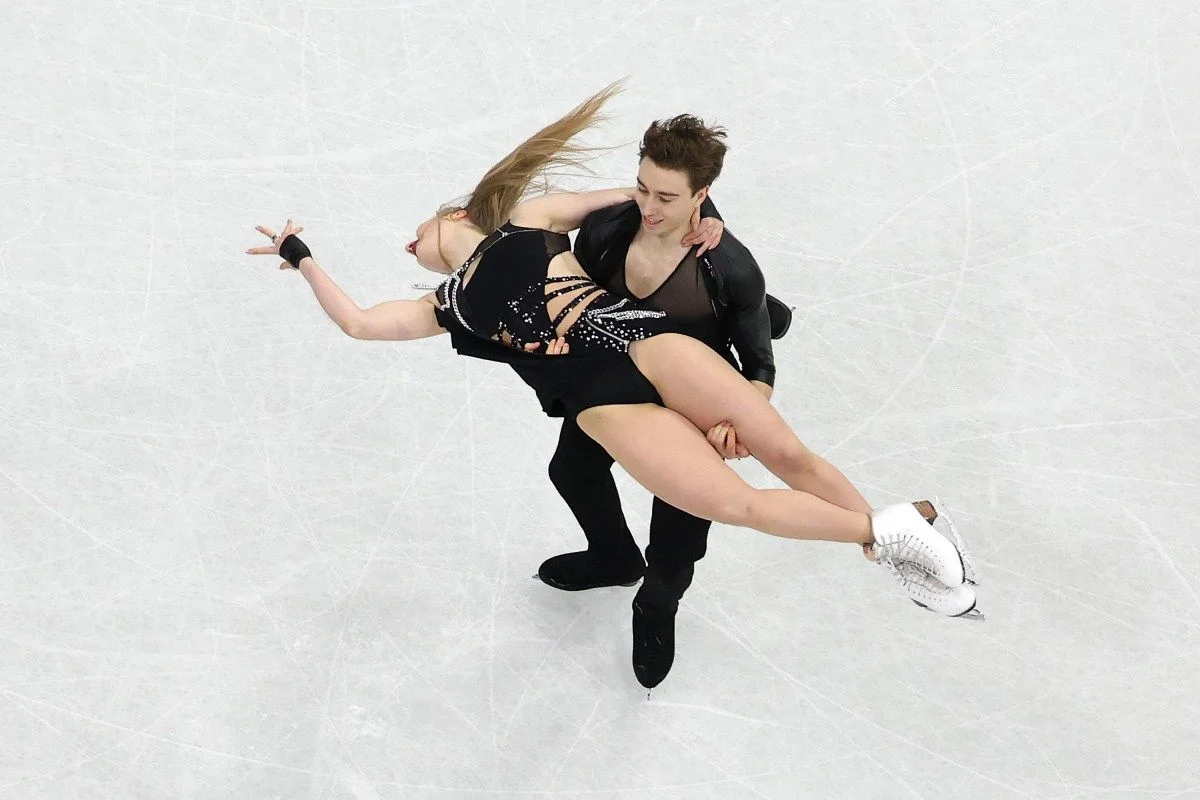
AI can potentially improve judgment on objective criteria, such as jump height or spin speed, which are vital for figure skating.
Experts suggest AI could help with issues that sometimes hinder human judges, but it also presents its own set of challenges.
AI technology has been used to monitor and score events unofficially, but it has not yet replaced human judges in major competitions that rely heavily on subjective assessments.
Beyond Judging: AI's Wider Impact
The influence of AI in sports extends beyond just officiating.
AI is being used to enhance the fan experience.
It also aids in detailed player analytics and athlete training.
The development of AI for sports aims to improve overall performance and engagement.
Expert Perspectives on AI in Sports
Discussions around AI in sports judging involve various viewpoints.
Some believe AI can offer a more objective assessment, potentially reducing human error or bias.
Others point out that the subjectivity inherent in sports like figure skating makes a complete AI takeover complex. The intricate nature of synchronized figure skating, for instance, with up to 16 skaters on the ice performing different elements simultaneously, poses a significant challenge for current AI.
The figure skating controversy has intensified the debate about AI in sports judging, highlighting both its potential benefits for fairness and transparency and the complexities of applying it to subjective elements.
Conclusion and Next Steps
The recent figure skating dispute has underscored the ongoing discussion about integrating AI into sports officiating. While AI offers promising avenues for enhanced objectivity and consistency, its implementation in judged sports remains a complex endeavor.
The calls for an investigation into the recent figure skating judging highlight a demand for greater accountability in sports.
The IOC and ISU are under pressure to address concerns about impartiality.
The development and application of AI in sports judging are expected to continue, with ongoing research and trials likely to inform future decisions.
The balance between human expertise and AI capabilities in sports officiating will be a critical area to watch.
Sources
AP News: Provides insights into the application of technology in figure skating, including AI's potential to aid athlete training by measuring performance metrics like jump height and spin speed.
https://apnews.com/article/figure-skating-technology-69b7dfa011bf00f7f1d46d2d1f16308d
Newsweek: Reports on the figure skating scandal at the 2026 Winter Olympics, detailing the controversy over the Ice Dance competition results and the subsequent petition for an investigation into a French judge.
https://www.newsweek.com/sports/olympic-skating-scandal-sparks-petition-to-investigate-french-judge-11509216
The Conversation: Discusses the broader implications of AI in Olympic judging, focusing on its potential to increase consistency and transparency, while also acknowledging its limitations in addressing subjective elements of sports.
https://theconversation.com/ai-is-coming-to-olympic-judging-what-makes-it-a-game-changer-274313
CBC News: Examines the current state of AI in sports judging, outlining both the advantages it offers and the potential pitfalls, noting that AI is not yet replacing human judges in subjective competitions.
Attention Forward: Explores the question of whether AI can judge complex athletic endeavors like figure skating, highlighting the subjective nature of such sports and the challenges AI faces.
https://attentionfwd.com/takes/can-ai-judge-a-skating-competition/