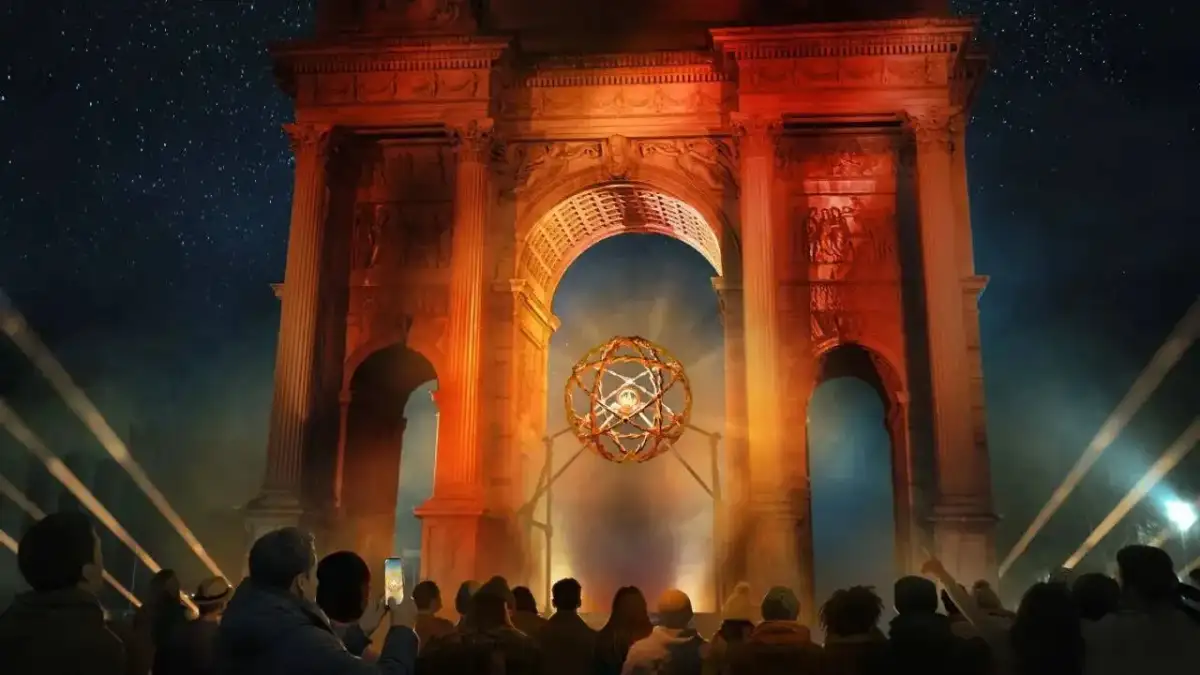
A recent controversy has emerged concerning the broadcast of Leonardo da Vinci's Vitruvian Man during the Winter Olympics 2026 coverage by an Italian broadcaster. Reports suggest that the iconic artwork, a symbol of human proportion and anatomy, was allegedly omitted or obscured during segments related to Italian cultural heritage or art, raising questions about the broadcaster's editorial choices and adherence to public service obligations.
The incident has sparked debate, particularly given the Winter Olympics' global platform and the artwork's status as a universally recognized cultural icon. The context involves not only the broadcast of sporting events but also the presentation of Italy's rich artistic legacy to an international audience.
A Clash Over Cultural Representation and Broadcast Standards
The allegations of censorship surfaced following broadcasts of the Winter Olympics 2026. While specific details of the alleged censoring remain under investigation, the claims center on the perceived deliberate exclusion or modification of the Vitruvian Man imagery during the event's telecasts. This has prompted scrutiny of the broadcaster's practices and its role in showcasing national heritage.
Read More: New Orleans Trivia Quizzes in 2025 Test Knowledge of City's History and Culture
The broader landscape includes Italy's robust legal framework for protecting cultural heritage, as outlined in the Codice dei Beni Culturali e del Paesaggio (CBCP). These laws underscore a national commitment to preserving and presenting Italy's artistic treasures, a principle enshrined even in the Italian Constitution.
Key Developments:
Allegations of Omission: Reports indicate that the Vitruvian Man was not shown during relevant segments of the Winter Olympics 2026 coverage.
Legal Protections for Heritage: Italy has specific laws that require consent and fees for commercial uses of works of cultural heritage, regardless of copyright expiration, to ensure their conservation and prevent debasement.
Broader Context of Olympic Broadcasts: The controversy unfolds against the backdrop of other reported issues with the Italian broadcaster's coverage, including commentary errors and staff strikes.
Examining the Vitruvian Man Controversy
The alleged omission of the Vitruvian Man has drawn comparisons to other instances where cultural heritage has become a point of contention. One notable case involves Ravensburger, a German toy company, and Italy's assertion of rights over the Vitruvian Man for commercial use.
The Ravensburger Dispute:
Copyright vs. Cultural Heritage: The core of the Ravensburger case lies in the tension between copyright law and Italy's cultural heritage regulations. While copyright on the Vitruvian Man itself may have expired, Italian law mandates consent and fees for commercial exploitation of national heritage.
Jurisdictional Battles: This dispute has led to legal proceedings in both Italian and German courts, highlighting the complexities of transnational enforcement of cultural heritage claims. The Ravensburger case underscores how Italian law seeks to control the commercial use of iconic artworks, even when they are in the public domain from a copyright perspective.
Symbolic Importance: The Vitruvian Man is not merely an artwork but a symbol of Renaissance ideals and Italian heritage. Its commercial reproduction has become a significant point of legal and national interest.
Broadcast Operations Under Scrutiny
The alleged censoring of the Vitruvian Man is not an isolated incident within the broader context of the Italian broadcaster's performance during the Winter Olympics 2026. Recent events suggest a pattern of operational difficulties and public dissatisfaction.
Read More: Masters 2026 Day 2: Tyrrell Hatton and Wyndham Clark improve scores on April 10
Reported Broadcast Issues:
Commentary Gaffes: Journalists at the Italian broadcaster, identified as RaiSport, went on strike following significant commentary errors during the Winter Olympics opening ceremony. One prominent gaffe involved mistaking the location of the opening ceremony, erroneously stating it was in Rome instead of Milan.
Staff Strikes: The strikes by RaiSport journalists underscore internal tensions and dissatisfaction with management and broadcast quality. This labor action further complicates the broadcaster's ability to provide comprehensive and accurate coverage.
Public Perception: These incidents collectively contribute to a negative perception of the broadcaster's professionalism and its capacity to effectively cover major international events like the Olympics, potentially impacting its credibility in presenting cultural content.
Expert Perspectives on Cultural Heritage and Media Responsibility
Legal scholars and cultural commentators have weighed in on the implications of such alleged censorship and the broader legal framework surrounding Italy's cultural heritage.
"Italy, along with a few other nations, has taken a stringent stance on protecting its cultural patrimony, viewing it as a matter of national importance. Laws are in place to ensure that works of collective significance are not altered or diminished through unauthorized commercialization." - Cultural Heritage Law Analyst
The Vitruvian Man, as a cornerstone of Italian art and science, presents a unique challenge. Its widespread recognition and appeal make it a frequent subject for reproduction, yet its status as national heritage places it under specific legal protections in Italy.
"The legal battle with Ravensburger illustrates a key point: Italian law distinguishes between copyright expiry and the ongoing requirement for consent and fees for commercial use of state-owned cultural assets. This is an effort to balance public access with the state's role in safeguarding heritage." - Intellectual Property Law Expert
The broadcasting of such an emblem during a global event like the Olympics carries a significant responsibility. Media outlets are expected to represent cultural artifacts with accuracy and respect, especially when they form part of national identity.
Conclusion and Future Considerations
The accusations against the Italian broadcaster regarding the Vitruvian Man during the Winter Olympics 2026 coverage highlight a complex intersection of media responsibility, national heritage protection, and international optics. While the broadcaster's specific intent and the precise nature of the alleged omission require further clarification, the incident draws attention to Italy's stringent laws governing cultural assets and the potential for perceived censorship.
Read More: 10,000 Concert Recordings Now Online After Fan's Years of Work
Key Findings:
Allegations of Censorship: Reports indicate that the Vitruvian Man was allegedly not featured during specific segments of the Winter Olympics 2026 broadcast by an Italian broadcaster.
Legal Framework: Italy's Codice dei Beni Culturali e del Paesaggio (CBCP) mandates prior consent and fees for commercial uses of its cultural heritage, even for works no longer under copyright.
Ravensburger Case: This legal precedent demonstrates Italy's determination to control the commercial use of iconic artworks like the Vitruvian Man.
Broader Broadcast Issues: The controversy occurs amid other reported problems with the broadcaster's Olympics coverage, including commentary errors and staff strikes, which may affect public trust.
The situation calls for a transparent review of the broadcast content and editorial policies. Moving forward, it will be crucial for broadcasters to navigate the presentation of cultural heritage with heightened sensitivity, ensuring compliance with national laws and maintaining public confidence in their coverage of both sporting events and national treasures.
The Guardian: Reporting on the Winter Olympics 2026 events, including athlete performances and general news.
https://www.theguardian.com/sport/live/2026/feb/13/winter-olympics-2026-seven-gold-medals-up-for-grabs-gb-look-to-end-medal-drought-and-more-live?filterKeyEvents=false

Timesnownews.com: Fact-checking claims related to symbols and symbolism during the Winter Olympics 2026.
https://www.timesnownews.com/world/us/us-buzz/winter-olympics-2026-are-satanic-symbols-hidden-in-the-olympic-cauldron-fact-checking-viral-claims-article-153575959
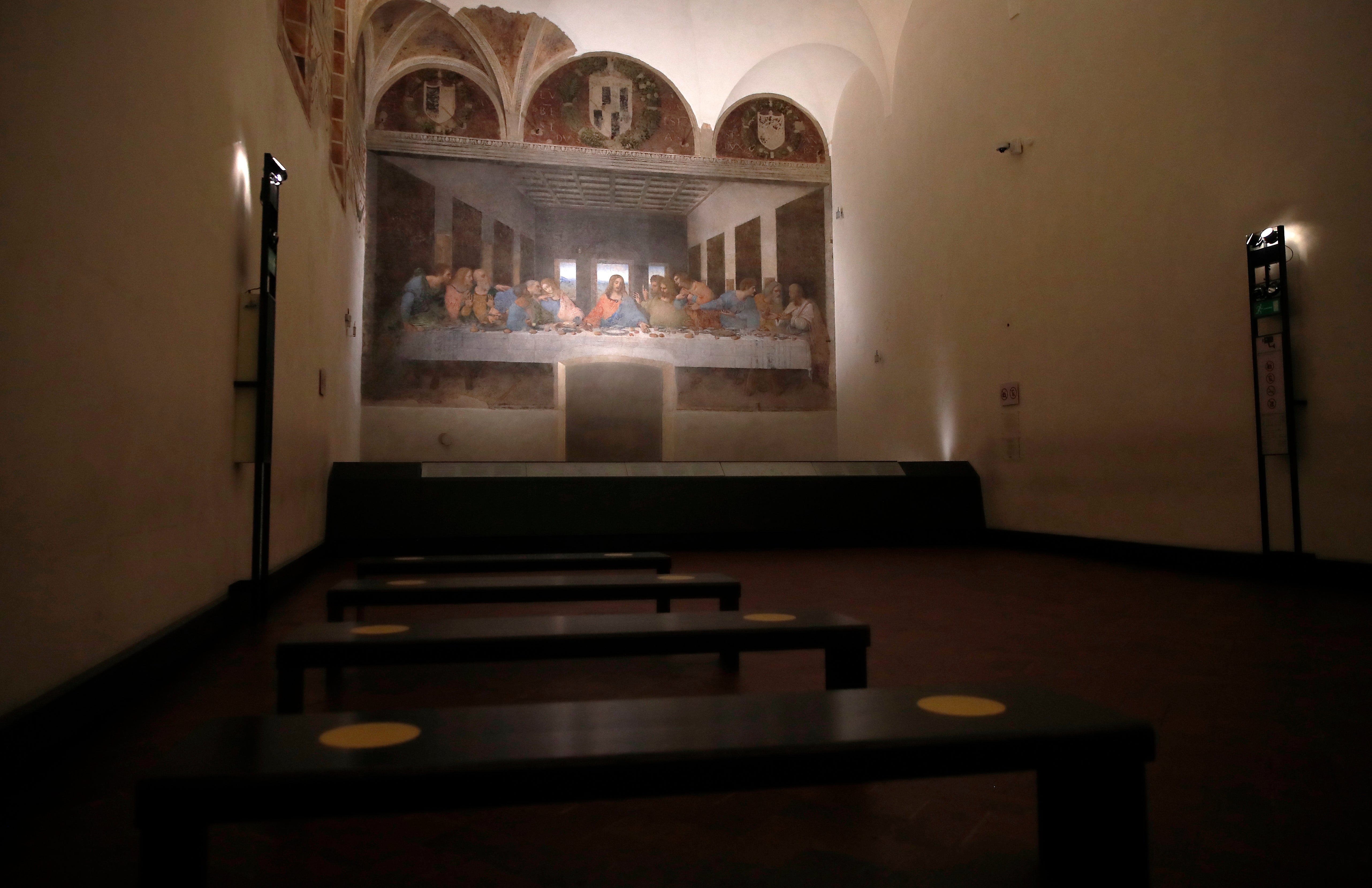
The Independent: Reporting on access issues and VIP treatment at cultural sites, referencing Leonardo da Vinci's The Last Supper during the Winter Olympics 2026.
https://www.independent.co.uk/travel/news-and-advice/jd-vance-last-supper-da-vinci-winter-olympics-2026-b2917202.html
Scottish Legal: Discussing the legal dispute between Italy and a German company over the Vitruvian Man.
https://www.scottishlegal.com/articles/italy-rows-with-german-company-in-puzzling-da-vinci-case
The Sun: Reporting on staff strikes and commentary gaffes at an Italian broadcaster during the Winter Olympics.
https://www.the-sun.com/sport/15918483/broadcaster-strike-winter-olympics-commentator-mariah-carey-blunder/
Garrigues Law Firm Blog: Analyzing the legality of commercial uses of public domain works of art, focusing on the Italian context.
https://blogip.garrigues.com/en/intellectual-property/are-commercial-uses-of-works-of-art-in-the-public-domain-legal-a-look-at-the-italian-case
Harvard Law Journal: Examining legal clashes over the transnational reach of cultural heritage law.
https://journals.law.harvard.edu/ilj/2025/04/two-pieces-of-one-puzzle-italy-and-germany-clash-over-the-transnational-reach-of-cultural-heritage-law-encroaching-upon-the-public-domain/