

STATES WARNED ON MEDICAID FRAUD AS PAYMENTS HALTED
Washington, D.C. - The administration has initiated a broad move to curb suspected fraud within federal health programs, resulting in the suspension of certain Medicaid payments to California and Minnesota. This action is accompanied by a nationwide, six-month pause on new Medicare enrollments for hospice and home health agencies.
The core of the action involves the Centers for Medicare and Medicaid Services (CMS) scrutinizing state efforts to combat fraud. States deemed insufficiently diligent in their investigations risk future funding being reviewed or withheld.
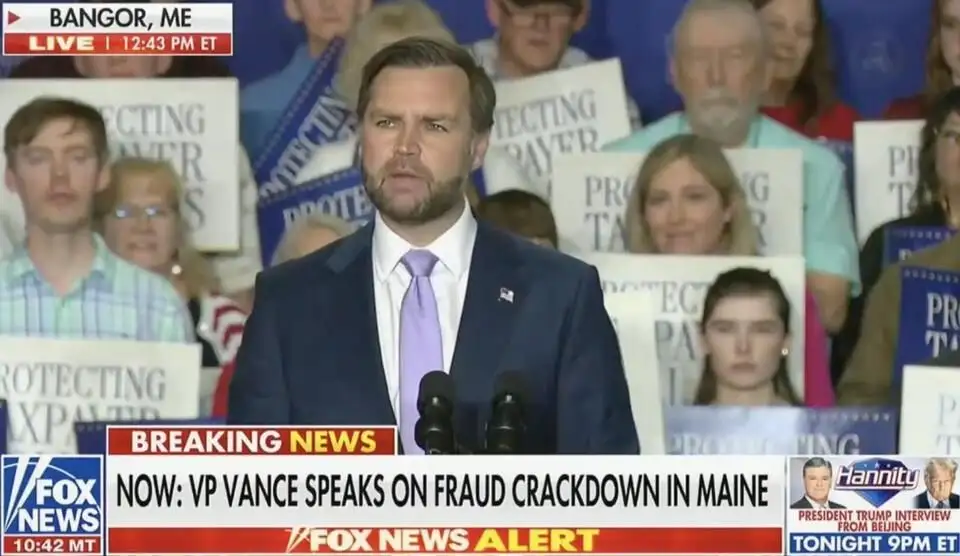
Vice President JD Vance, leading the administration's anti-fraud taskforce, explicitly linked the funding holds to states' perceived lack of seriousness regarding Medicaid fraud. He specifically pointed to California, announcing a deferral of $1.3 billion in Medicaid payments. Vance cited issues with billing, home health services, and "questionable expenditures" related to undocumented immigrants as reasons for concern in the Golden State.
Read More: NHS official Ms. Jones steps back from Palantir contract on 7 April 2026
Dr. Mehmet Oz, administrator for CMS, confirmed the gravity of the situation, stating that California's Medicaid records had "generated major red flags." He detailed specific figures related to billing discrepancies and services that required clarification from the state. Vance also made a broader claim that some states, which he characterized as "mostly blue states," are not adequately addressing Medicaid fraud.
In Minnesota, the federal government announced a halt to $259.5 million in Medicaid funding, with Vance criticizing Governor Tim Walz's administration for insufficient action against fraud. Governor Walz has countered these actions, accusing the administration of attempting to "punish Democratic-run states" and suggesting that the federal government is being "weaponized" to target political opponents.
Historic Context and Expert Views
These maneuvers, while framed as aggressive anti-fraud measures, echo past federal actions. Tricia Neumann of the health care research nonprofit KFF noted that temporary moratoriums on home health agencies are not unprecedented, citing a similar move by the Democratic Clinton administration. Neumann also pointed out that fraud in hospice and home health categories is a recognized and legitimate concern, with numerous schemes having been prosecuted.
Read More: Acting DNI Pulte Fires Dozens of Intelligence Officials Starting Thursday
The administration's stance suggests a strategy where states are directly implicated in the federal effort to combat fraud, with financial repercussions for non-compliance. Critics, however, raise concerns that such actions could disproportionately affect vulnerable populations and serve as a political tool against states governed by opposing parties. Human rights advocates and critics of the administration have voiced fears that fraud allegations might be used as a pretext to target specific groups, including immigrants and political adversaries.


