New Delhi - Prime Minister Narendra Modi has directed a 50% reduction in the size of his official motorcade. This directive, issued to the Special Protection Group (SPG), aims to conserve fuel and promote administrative austerity. The move is being presented as a personal example by the Prime Minister, intended to signal broader adherence to similar conservation measures across government bodies. Simultaneously, instructions have been given to increase the use of electric vehicles (EVs) within the convoy, provided no new vehicles are purchased for this transition.
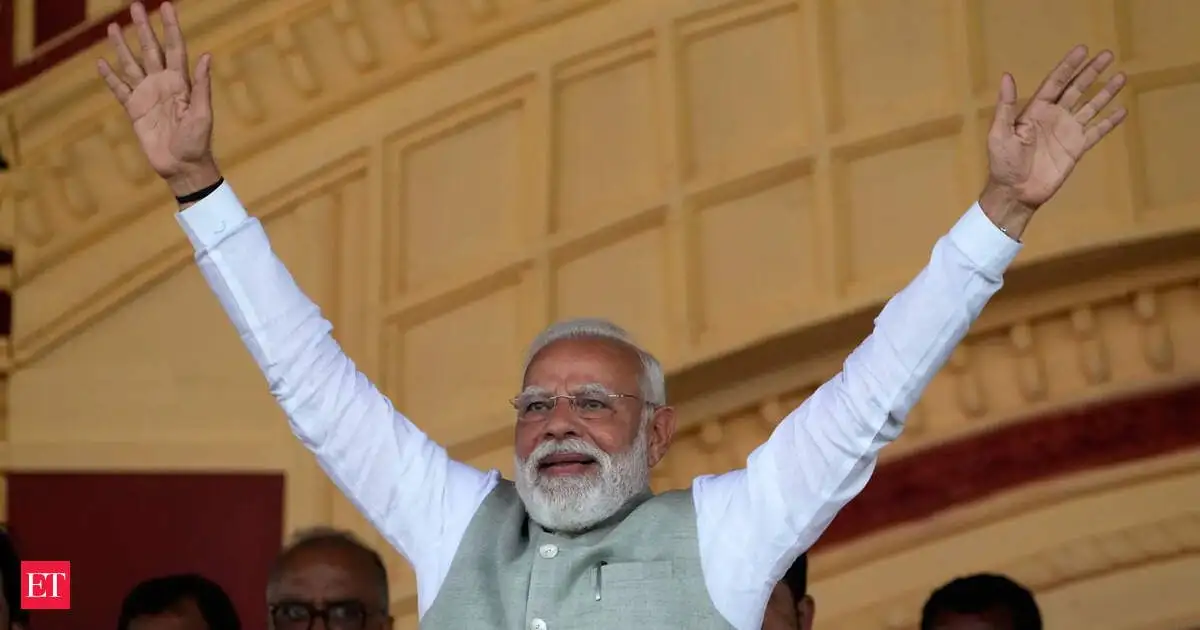
This significant cutback was reportedly implemented during Modi's recent domestic visits, with his convoy appearing visibly smaller. The SPG has been tasked with coordinating these changes, ensuring that mandatory security protocols and the 'Blue Book' guidelines remain uncompromised. The push for EVs emphasizes utilizing already available resources without incurring additional expenditure.
Read More: Acting DNI Pulte Fires Dozens of Intelligence Officials Starting Thursday
Echoes of Austerity Across Government
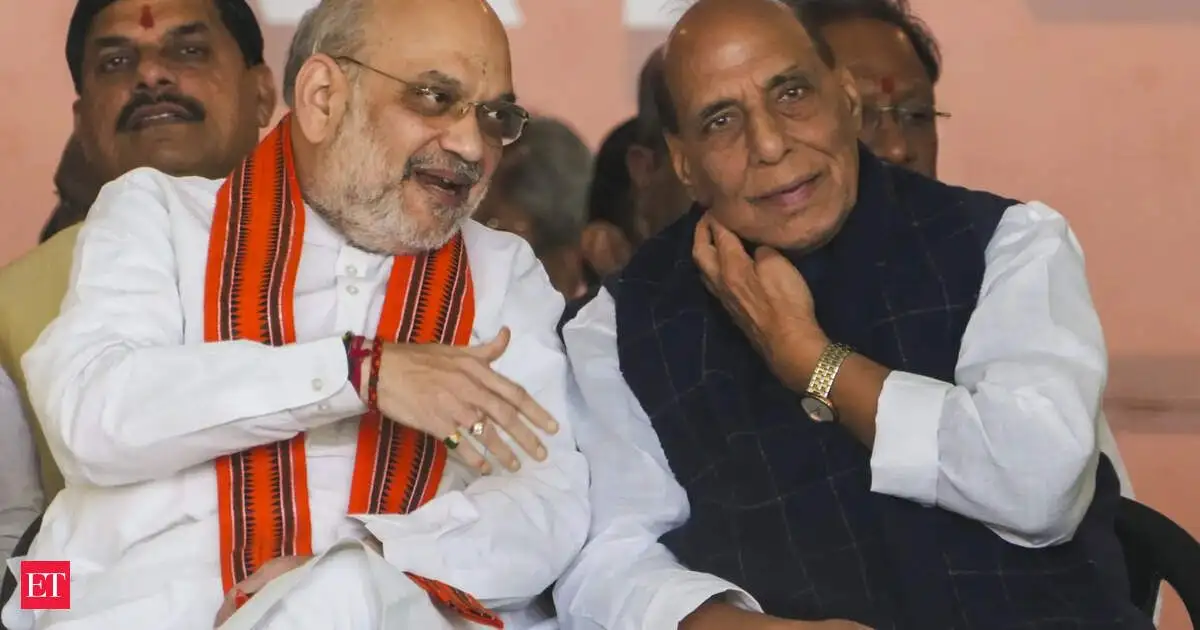
The Prime Minister's initiative appears to have spurred similar actions among other high-ranking officials and in several Bharatiya Janata Party (BJP)-ruled states. Union Home Minister Amit Shah has also reportedly downsized his convoy, reportedly by more than half.

Several Chief Ministers have announced comparable reductions in their official fleets:

Uttar Pradesh Chief Minister Yogi Adityanath has ordered an immediate 50% cut in his convoy vehicles and those of his cabinet. Officials are also exploring measures like promoting work-from-home arrangements, virtual meetings, and increased use of public transport, including Metro services and PNG.
Delhi Chief Minister Rekha Gupta has stated that ministers, BJP MLAs, and officials will use the minimum number of vehicles required, prioritizing carpooling and public transport.
Madhya Pradesh Chief Minister Mohan Yadav has reduced the number of vehicles in his official convoy, with the exact reduction not disclosed citing security.
Rajasthan Chief Minister Bhajan Lal Sharma is also reported to be reducing his convoy size.
Chhattisgarh Chief Minister Vishnu Deo Sai noted his convoy had already been reduced and that the state would gradually shift government vehicles to EVs.
Odisha Chief Minister Mohan Charan Majhi has halved his convoy size and advised citizens against unnecessary gold purchases and foreign trips.
Beyond convoy reductions, the broader austerity push includes appeals to citizens to reduce fuel consumption, postpone non-essential gold purchases, and conserve foreign exchange reserves. There's also a call to avoid overseas vacations and destination weddings, promoting domestic tourism instead. Some states are exploring increased work-from-home arrangements and virtual meetings to curb fuel usage.
Context of Global Uncertainty
This intensified focus on austerity and fuel conservation comes amid escalating geopolitical tensions in West Asia and soaring global oil prices. India's reliance on crude oil imports, with over 40 countries currently supplying its needs, underscores the strategic importance of these measures. The government has stated that while global uncertainty exists, the country is effectively managing its oil, gas, and foreign exchange reserves. The appeal to reduce gold purchases is linked to conserving foreign exchange reserves, with substantial amounts previously allocated to jewelry and gold bar investments.
Read More: India IVF Costs And Social Barriers Limit Access In April 2026