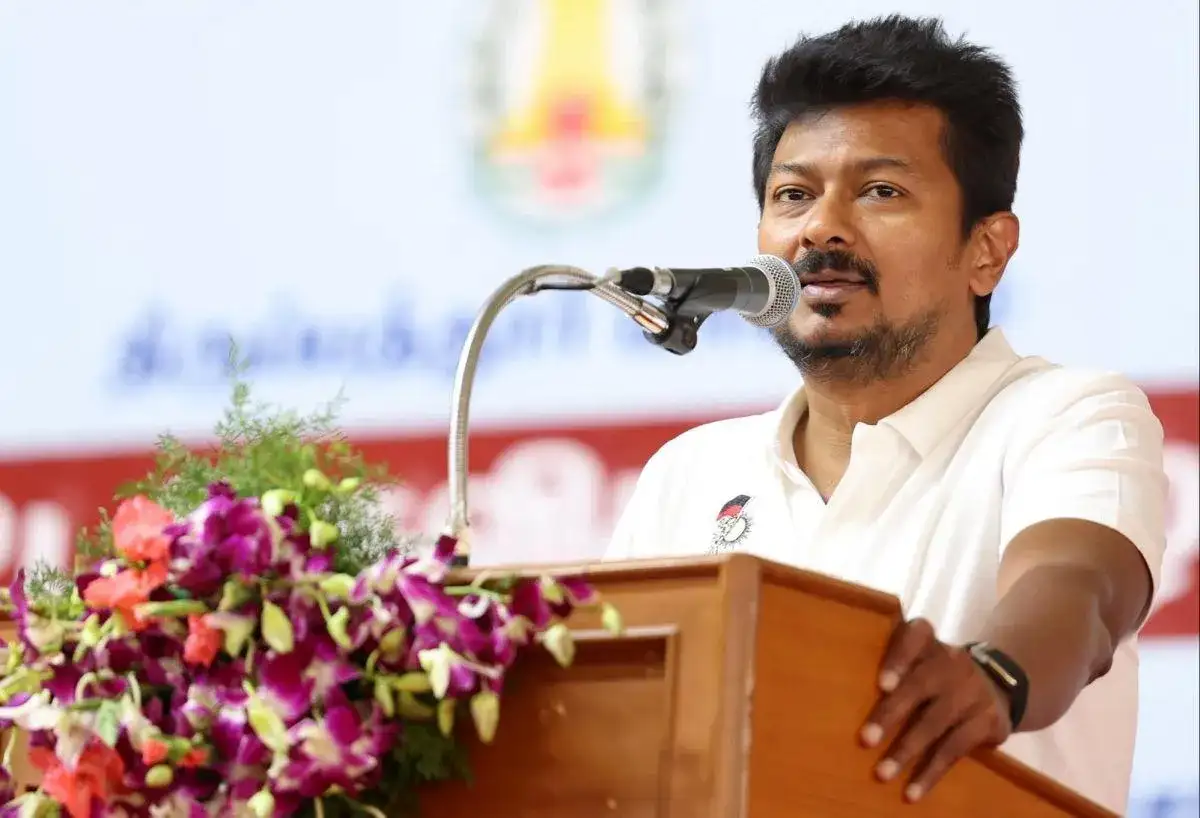
Leader of Opposition Udhayanidhi Stalin issued a clarification today regarding his recent statements in the Tamil Nadu Assembly, asserting that his call to "eradicate Sanatana Dharma" is directed at social inequality rather than religious practice.

Stalin maintains that his rhetoric is not a call to boycott temples or abandon faith, but a political push against caste-based hierarchies and systematic oppression.
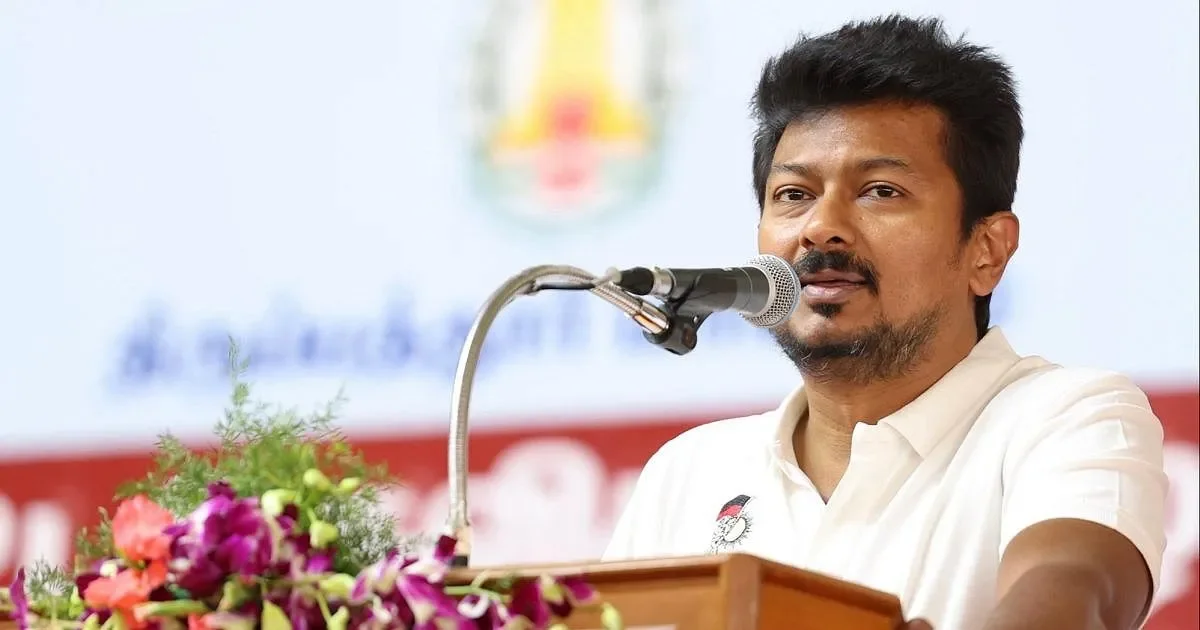
The controversy follows his May 12 address in the Assembly, where he reiterated that "Sanatana, which separates people, should be eradicated," while Chief Minister C. Joseph Vijay was present.
Core Disagreements
The shift in discourse highlights a recurring friction between regional political factions:
| Actor | Stance on 'Sanatana' | Political Framing |
|---|---|---|
| Udhayanidhi Stalin | Calls for eradication | Anti-inequality/Anti-caste |
| BJP Leaders | Calls it "toxic" | Protecting Hindu beliefs |
| TVK Legislators | Divided/Retracting | Alignment shifts |
Fact Check: Despite the backlash, Stalin remains protected by Assembly immunity, insulating him from immediate legal repercussions regarding his comments.
Political Context: The remarks have deepened the divide between the DMK and the BJP, with critics accusing the DMK of failing to address such a controversial stance in their recent election manifesto.
Protocol Dispute: Concurrent to the religious debate, Stalin has demanded that the state song, Tamil Thai Vazhthu, be granted primary position at all official government functions, a stance he views as essential to Tamil cultural identity.
Structural Tensions
The intensity of this debate signals a shift in Tamil Nadu's legislative atmosphere following the recent change in leadership. While Stalin clarifies that his target is the ideological framework of 'Sanatana' rather than the individual devotee, the opposition labels the commentary a "diatribe" aimed at polarizing voters along religious lines.
Read More: Taiwan Holds Nantou County Drills to Prepare for State Collapse
The retreat of some regional allies, such as TVK legislator Madhar Badhurudeen, from earlier support of the remarks suggests that the rhetoric carries significant political volatility. As the new government under Chief Minister Vijay begins its tenure, the symbolic contest between state identity—evidenced by the Tamil Thai Vazhthu protocol—and broader religious discourse remains a flashpoint for administrative friction.