

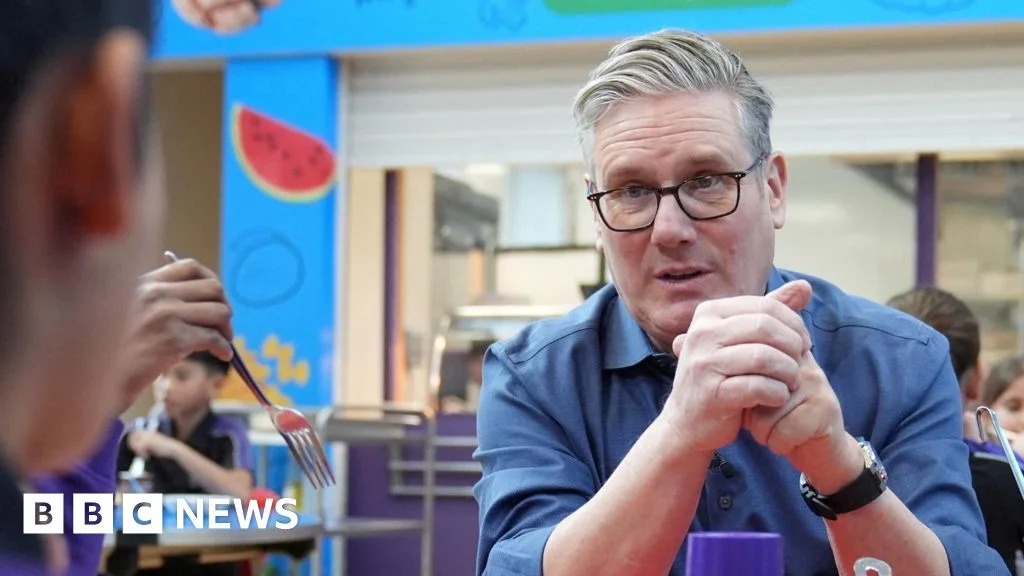
Stakes Are High for Children with Special Needs
The government is moving forward with plans to reform the special education system in England. This move has created a period of considerable political risk, as many disability rights groups and parents fear the changes are aimed at reducing costs rather than improving support for children. The planned reforms to Special Educational Needs and Disabilities (SEND) provision are seen as a critical moment for the government, comparable to earlier challenges with welfare reforms.
Background of the Reform Push
The government's intent to reform the SEND system is clear, acknowledging its importance to many families. However, the path to these changes is being navigated with caution. Discussions about reforming SEND have involved all major political parties in Westminster, highlighting a widespread agreement on the need for change.

Key timelines and events:
February 2026: The government was expected to announce its education white paper, including reforms to SEND. (Article 1)
Autumn 2025: The education white paper, which was expected to detail the reforms, was initially due but was delayed. (Article 4, Article 5, Article 6)
New Year 2026: The full Schools White Paper was expected to be released. (Article 5)
October 2025: Full details of proposed changes were expected, though ministers had not ruled out scrapping education plans. (Article 3)
July 2025: Ministers faced calls to maintain existing education plans for children with special needs. (Article 3)
June 2025: Data from the Department for Education showed an increase in Education, Health, and Care Plans (EHCPs). (Article 3)
July 2025: Labour MPs warned of a potential rebellion if EHCPs were scrapped or eligibility criteria were reduced. (Article 4)
Earlier in 2025: Labour Prime Minister Keir Starmer reportedly dropped planned welfare cuts after facing anger from Labour MPs. (Article 6)
December 2025: The government launched a "national conversation" on SEND, aiming to involve parents in shaping reforms. (Article 7)
Key actors involved:
Government: Proposing the reforms. (Article 1, Article 2, Article 3, Article 4, Article 5, Article 6, Article 7)
Disability rights campaigners and advocacy groups: Expressing concerns and opposition to potential cost-cutting measures. (Article 1, Article 3)
Parents of children with SEND: Actively involved, seeking to ensure their children receive adequate support. (Article 3, Article 7)
Charity heads, professors, actors (e.g., Sally Phillips), and broadcasters (e.g., Chris Packham): Signatories to letters urging the government to maintain existing plans. (Article 3)
Labour MPs: Warned of potential backbench rebellion against proposed changes. (Article 4, Article 6)
Education Secretary Bridget Phillipson: Leading efforts to engage MPs on the reforms. (Article 4, Article 6)
Amanda Allard (Director of the Council for Disabled Children): Supporting the government's engagement program. (Article 7)
Evidence of Concerns and Government Actions
The upcoming reforms have generated significant discussion and anxiety. Reports indicate a growing concern that the reforms might be delayed due to worries about a public backlash, similar to previous welfare reform issues.
Increased EHCPs: Data from June 2025 showed a rise in the number of EHCPs, suggesting a growing need for specialized support. (Article 3)
Concerns about budget: The government is reportedly concerned that the increasing number of EHCPs is straining high-needs budgets without necessarily ensuring adequate child support. (Article 4)
Potential changes: Ministers are considering whether to move away from bespoke education plans, possibly requiring greater evidence for children to receive support. (Article 4)
Government communication: The government launched a "national conversation" in December 2025, emphasizing a commitment to placing parents' experiences at the forefront of reform discussions. (Article 7)
Political sensitivity: The reforms are considered politically sensitive, with the government reportedly trying to avoid a backlash from within its own party. (Article 6)
Reform Proposals Under Scrutiny
The exact details of the proposed reforms remain subject to debate and potential revision. There is considerable pressure on ministers to ensure the changes benefit, rather than disadvantage, children with special needs.

Potential Changes to Education Plans
Ministers have not ruled out the possibility of changing or even scrapping the current Education, Health, and Care Plans (EHCPs). (Article 3) This has led to significant worry among parents and advocates. The number of EHCPs has grown, leading to concerns about financial pressures on local authorities. (Article 5)
Eligibility Criteria and Support
A key area of discussion involves whether children will need to provide stronger evidence to qualify for support plans. (Article 4) The government is examining the current model, and there is apprehension that eligibility criteria could be narrowed, impacting access to essential services.

Inclusion in Mainstream Schools
The reforms are expected to encourage more children with additional needs to be educated in mainstream schools. (Article 5) Specialist provision might then be reserved for the most complex cases. This approach raises questions about the preparedness of mainstream schools to provide adequate support.
Read More: Jeremy Atkinson Hand Carves Traditional English Clogs in 2026 to Save Ancient Craft
Opposition and Warnings
Several groups have voiced strong objections to the potential direction of the reforms.

Campaigner Concerns: Disability rights groups and campaigners fear the reforms prioritize cost savings over genuine improvements to the special education system. (Article 1)
Political Warnings: Labour MPs have warned the government against scrapping EHCPs or weakening eligibility rules, suggesting such actions could trigger a significant backbench rebellion. (Article 4, Article 6)
Expert Opinions: Organizations like the Council for Disabled Children have expressed support for the government's engagement process, indicating a willingness to collaborate on finding solutions. (Article 7)
Expert Analysis
The situation is complex, with conflicting pressures on the government.
"The SEND system is vital to hundreds of thousands of parents and children in England. Every party in Westminster has acknowledged the need to reform England's SEND system. It's no wonder they're treading carefully." (Article 2)
"Ministers are considering whether to ditch bespoke education plans for children with special educational needs and disabilities (Send) as part of a review of the current model. The Government is concerned that soaring numbers of education health and care plans (EHCPs) are eating away at the high-needs budget without providing children with adequate support." (Article 4)
"The overhaul, which is expected to move more children with additional needs into mainstream schools and reserve specialist provision for the most complex cases, had been due this autumn but was pushed back at the eleventh hour. The number of children assessed for council-funded statutory support via an education, health and care plan (EHCP) has surged over concerns that their additional needs are not being met in mainstream schools." (Article 5)
Conclusion and Implications
The government's proposed reforms to the special education system in England are at a critical juncture. While there is a widely acknowledged need for improvement, significant opposition exists regarding the potential impact on children and families.
Key Concerns: The primary concerns revolve around potential cost-cutting measures, changes to the eligibility for support, and the future of EHCPs.
Political Landscape: The government faces a delicate balancing act, attempting to implement reforms while managing political sensitivities and avoiding internal dissent.
Parental Involvement: The government has initiated a "national conversation" to involve parents, aiming to gather feedback and build consensus.
Uncertainty: The final details and timing of the reforms remain unclear, with delays and ongoing discussions indicating the complexity of the issue.
The coming months will be crucial in determining the direction of special education provision in England and its impact on thousands of children and their families.
Sources Used
The Guardian: Published "‘They’re not listening!’: the government’s gamble on special education reform – podcast" on February 20, 2026. https://www.theguardian.com/news/audio/2026/feb/20/theyre-not-listening-the-governments-gamble-on-special-education-reform-podcast
BBC News: Published "Ministers want to reform SEND - but they are treading very carefully" on November 6, 2025. https://www.bbc.com/news/articles/c7951dzg9npo
BBC News: Published "Ministers urged to keep education plans for children with special needs" on July 7, 2025. https://www.bbc.co.uk/news/articles/cx2vn950d5go
The Telegraph: Published "Children face tougher checks to get special needs support" on July 8, 2025. https://www.telegraph.co.uk/news/2025/07/08/children-more-evidence-gain-special-needs-support/
iNews: Published "SEND reform deadlock 'a threat to children' with talks 'going around in circles'" on November 10, 2025. https://inews.co.uk/news/send-reforms-delay-threat-to-children-4029442
PoliticsHome: Published "SEND Reforms At Risk Of Further Delay As Government Tries To Avoid Backlash" on September 28, 2025. https://www.politicshome.com/news/article/growing-concerns-send-reforms-face-delays
GOV.UK: Published "Government launches national conversation on SEND" on December 2, 2025. https://www.gov.uk/government/news/government-launches-national-conversation-on-send


