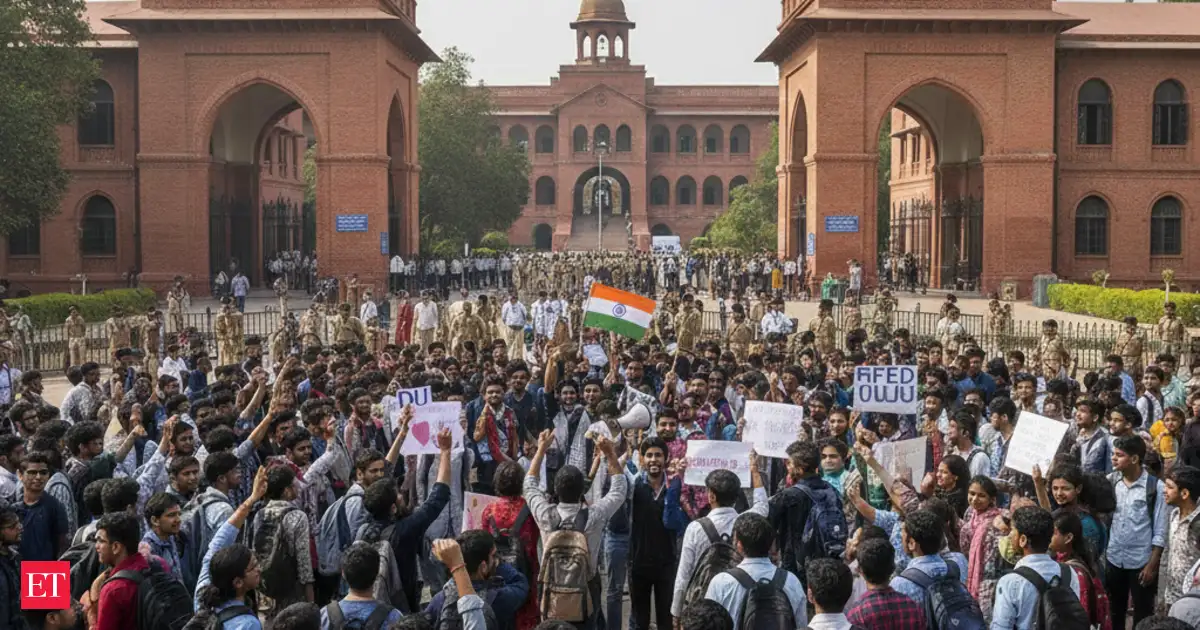
A recent order by Delhi University (DU), imposing a one-month ban on public meetings, processions, and protests on its campus, has triggered significant backlash. Student and teacher organizations are demanding the university retract the order, arguing it curtails fundamental rights and stifles academic discourse. The ban follows incidents of protests and concerns over law and order, though critics contend the university's response is disproportionate and hinders legitimate expression.

Background of the Ban and Protests
On February 17, 2026, Delhi University announced a month-long prohibition on various forms of public assembly on its campus. This decision was communicated via an official order, effective immediately and remaining in force for a month unless rescinded earlier. The university cited law and order concerns as the primary justification for this measure.

Specific prohibitions outlined in the order include:
Assembly of five or more persons.
Shouting slogans.
Making speeches.
Carrying hazardous materials, including torches or beacons.
Any activity that may disrupt traffic or public tranquility.
This action occurred in the wake of recent protests on campus, including demonstrations related to UGC Equity Regulations and anti-discrimination mechanisms. A notable incident, a violent confrontation involving student groups near the Arts Faculty on February 13, 2026, is understood to be a contributing factor to the ban. The National Human Rights Commission has also issued notices to the Delhi Police and DU's Vice Chancellor concerning the alleged assault of a female journalist during a protest on February 13, 2026.
Read More: Google Learn About AI Tool Released April 2026 For Simple Learning
Student and Teacher Resistance
The ban has been met with strong opposition from various student and teacher groups, who view it as an infringement on democratic rights and academic freedom.
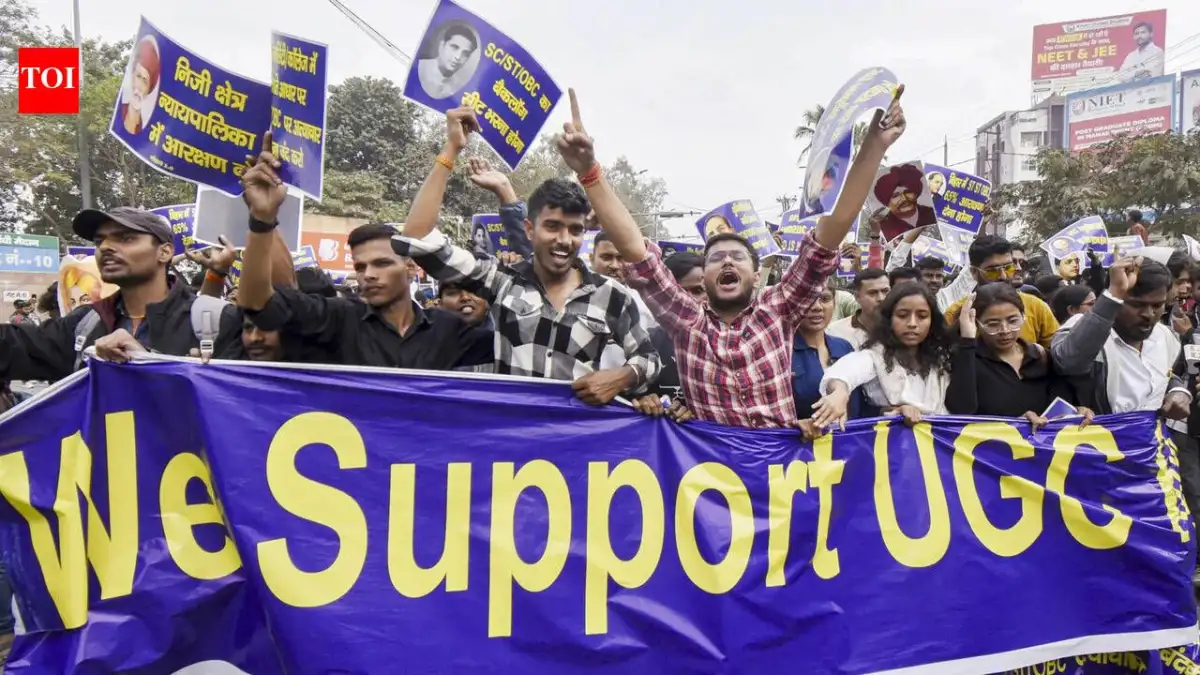
Student Organizations:
The Students' Federation of India (SFI), Delhi State Committee, stated that if the administration is concerned about peace, it should act against those who instigate violence.
The Krantikari Yuva Sangathan (KYS) condemned the notice, calling the university's reasons, such as traffic disruption, "vague and lame." KYS, along with other organizations, held a press conference to voice their opposition and demanded the order's immediate revocation and an apology.
The All India Democratic Students’ Organisation (AIDSO), through its DU in-charge Adrika, described the ban as an attempt to "smother all forms of debate, discussion and healthy dialogue." They reported that their posters were torn by DU security personnel.
Teacher Associations:
The DU Teachers' Association appealed to the administration to reconsider its order, noting that such a comprehensive ban had not been imposed in the university's history. They specifically requested exemptions for social and cultural events.
"If the university administration is genuinely concerned about maintaining peace and public order, it must act decisively against those who instigated and carried out acts of violence." - Students’ Federation of India (SFI), Delhi State Committee
"The move amounted to a clampdown on dissent." - Mithuraj Dhusiya, Senior Executive Council member, DU.
University's Justification and Counterarguments
The university administration, represented by figures such as Manoj Kumar, proctor of DU, has defended the ban by citing past experiences.
Proctor's Statement: Manoj Kumar stated that in the past, organizers have often failed to control protests, leading to escalations and a deterioration of law and order within the campus.
Concerns over Escalation: The university's order noted that organizers had failed to control protests that allegedly escalated and disrupted normal functioning.
Traffic and Public Order: While acknowledging concerns about traffic disruption, critics like Mithuraj Dhusiya, an associate professor and executive council member, argued that a "blanket ban" in the name of traffic obstruction is unacceptable.
"In the past, organisers often failed to control such protests, which escalated and spread widely, resulting in deterioration of law and order within the university campus." - Manoj Kumar, Proctor, DU.
The university's proctor's office has also acknowledged that it cannot unilaterally impose a blanket ban, a statement that appears to contradict the issued order.
Read More: Delhi Students Protest Education System Flaws on July 6
Analysis of Implications
The month-long ban on protests at Delhi University raises critical questions about the balance between maintaining order and upholding democratic freedoms.
Impact on Academic Discourse: Critics argue the ban impedes students' ability to raise academic and equity-related issues through peaceful assembly, potentially silencing important debates.
Rights and Regulations: The move has been labeled "unconstitutional" and "anti-student" by some groups, who see it as a violation of the fundamental right to peaceful dissent. The KYS specifically linked the ban to the university administration targeting specific groups.
Historical Precedent: The DU Teachers' Association highlighted that such a comprehensive ban is unprecedented in the university's history, suggesting a significant shift in policy.
The ban, in effect, prevents gatherings of five or more people, slogan-shouting, and speeches, which are typical forms of expression used by student and social groups to voice their concerns on various issues, including academic regulations and social justice.
Conclusion
Delhi University's decision to impose a month-long ban on protests has ignited a significant debate concerning academic freedom and democratic expression. Student and teacher organizations are unified in their demand for the revocation of the order, deeming it overly restrictive and a blow to fundamental rights. While the university cites law and order concerns, including a recent violent clash, opponents argue that the blanket prohibition is an excessive measure that stifles necessary dialogue and dissent. The situation underscores a broader tension between institutional control and the rights of individuals within educational spaces. The validity and justification of such a sweeping ban, particularly when criticized as unprecedented, remain a central point of contention.
Read More: OCDSB approves $3.5M budget deficit on April 7 2026 under oversight
Sources:
The Hindu: Published 19 minutes ago. Article discusses DU security stopping students, tearing posters, and student groups briefing media. Quotes AIDSO's in-charge Adrika. Mentions DU Teachers' Association appeal.https://www.thehindu.com/news/cities/Delhi/du-must-roll-back-ban-on-protests-demand-student-groups/article70652989.ece
The Print: Published 2 days ago. Reports on student and teacher groups demanding withdrawal of DU's order banning protests. Calls it unconstitutional and anti-student. Mentions protests over UGC Equity Regulations. Quotes SFI and KYS.https://theprint.in/india/student-teacher-groups-demand-rollback-of-dus-order-banning-protest-on-campus/2857174/
Devdiscourse: Published 10 hours ago. Details student groups challenging the ban. Mentions KYS uniting with other organizations and condemning a Delhi Police order banning assemblies of five or more. Criticizes the move as a violation of fundamental rights.https://www.devdiscourse.com/article/education/3810912-student-groups-challenge-protest-ban-at-delhi-university
New Indian Express: Published 2 days ago. Reports DU's month-long ban on protests and the ensuing backlash. Cites allegations of a crackdown on democratic dissent. Quotes Mithuraj Dhusiya. Mentions the NHRC notices regarding the journalist's assault.https://www.newindianexpress.com/cities/delhi/2026/Feb/18/du-bans-protests-on-campus-for-a-month-sparks-backlash-from-faculty-and-students
The Economic Times: Published 2 days ago. DU bans protests for a month, citing law and order concerns. Quotes Manoj Kumar on organizers failing to control protests. Details specific prohibitions. Quotes Mithuraj Dhusiya calling it a "blanket clampdown."https://economictimes.indiatimes.com/news/india/du-bans-protests-on-campus-for-a-month-citing-law-and-order-concerns/articleshow/128456843.cms
NDTV Education: Published 2 days ago. Delhi University bans protests after a violent clash near Arts Faculty. Cites law and order concerns and a violent confrontation. Mentions Mithuraaj Dhusiya's objection to the blanket prohibition.https://www.ndtv.com/education/delhi-university-bans-protests-on-campus-after-violent-clash-near-arts-faculty-11016915
The Times of India: Published Feb 4, 2026. Discusses judicial stay on UGC equity regulations sparking protests at DU. Explains the context of the proposed Rohith Vemula Act and sustained campus movements.https://timesofindia.indiatimes.com/education/news/from-ugc-equity-regulations-to-campus-march-why-a-judicial-stay-sparked-protests-at-du/articleshow/127899938.cms