The planned overhaul of the Women's FA Cup has been postponed due to strong objections from clubs, players, and supporters. Proposals to introduce seeding for top teams and alter the draw system have faced significant backlash, leading the Football Association (FA) to extend its consultation period. The delay signals a pause in what was intended to be a move towards a more structured competition, highlighting a tension between a desire for change and the preservation of the cup's traditional appeal.
Context of the Proposed Changes
In early February 2026, the FA put forward a series of significant reforms for the Women's FA Cup. These proposals included:
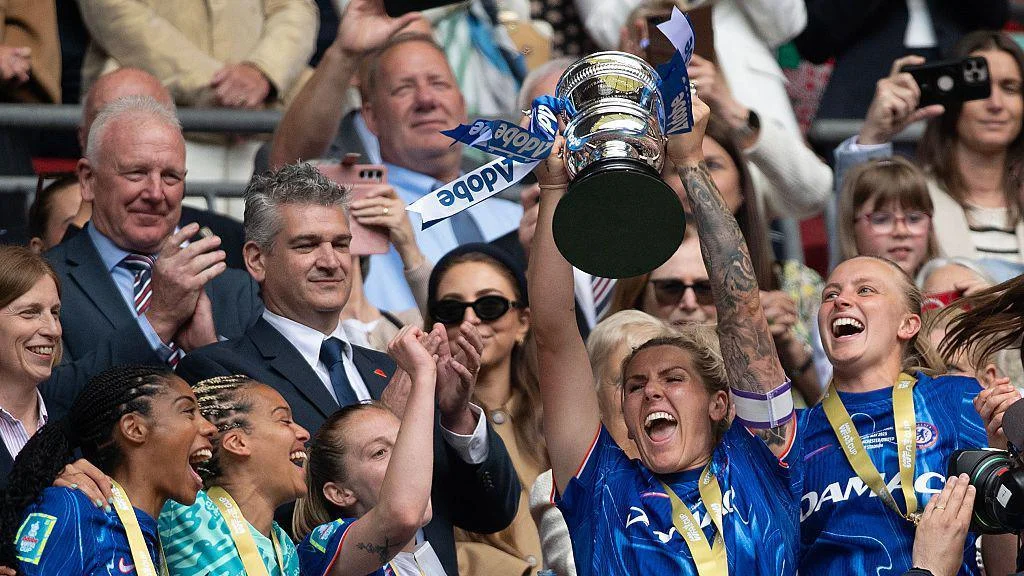
Seeding the Top Four Teams: The top four teams from the previous Women's Super League (WSL) season would be seeded.
Bracket-Style Draw: From the round of 32 onwards, the competition would adopt a World Cup-style bracket, meaning no further open draws would occur.
Potential Lower League Exclusion: Discussions also included the possibility of excluding teams from tier seven of the football pyramid.
These changes were intended to streamline the competition and map out a clear pathway to Wembley, particularly for the leading clubs. The FA aimed to submit a final proposal to its board in April for ratification ahead of the following season.
Read More: Crystal Palace Defender Maxence Lacroix Injury Forces New Defense Plan for Oliver Glasner
The timing of these proposals followed closely on the heels of another significant revamp announced for the Women's League Cup, which was set to undergo a name change and adopt a Champions League-style group stage format.
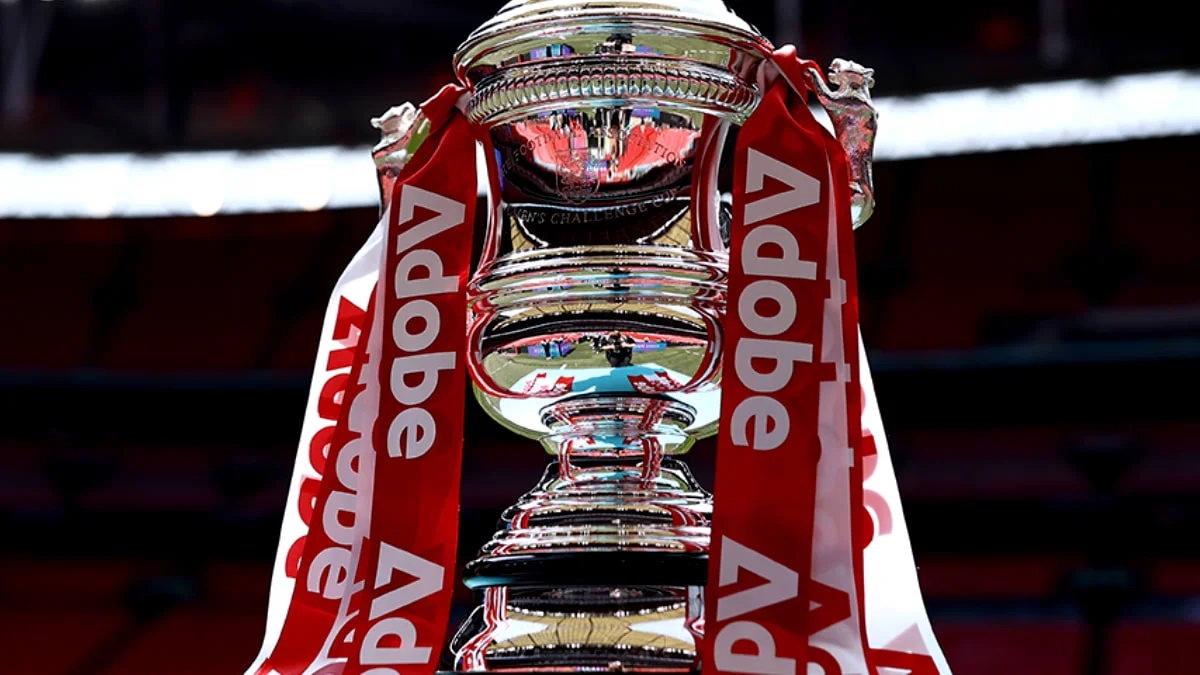
Widespread Criticism and Resistance
The proposed changes quickly ignited a debate, with various stakeholders voicing strong opposition. The core of the criticism centered on the potential loss of the "magic of the cup," a sentiment often associated with unpredictable draws and the possibility of lower-league teams causing upsets against established giants.
Club Opposition: Reports indicate that many clubs, particularly those in lower divisions, expressed opposition to the seeding and bracket-style draw proposals. Concerns were raised that such changes would diminish their chances of progressing in the competition and reduce opportunities for exciting cup ties against higher-ranked opponents.
Fan Backlash: Supporters' clubs were vocal in their condemnation, fearing that the proposed format would create an "elite bias" and erode the unique appeal of the FA Cup. The tradition of an open draw, allowing any team to potentially face any other team, home or away, was highlighted as a key element that fans cherish.
Player Sentiment: While direct player quotes are scarce in the provided summaries, the term "pushback" suggests a lack of enthusiasm or outright opposition from those directly involved on the field.
The FA's plans for seeding the top four teams and removing the draw after the round of 32 were particularly contentious. This move was seen by some as an attempt to guarantee marquee matchups in the later stages of the competition, at the expense of the traditional cup lottery.
Read More: England Teachers' Maternity Pay Will Go Up From 2027-28 Academic Year to Keep Experienced Staff

FA's Response and Extended Consultation
Facing considerable resistance, the FA announced that the proposed changes would be put on hold. The Guardian reported that the FA had received negative feedback and, rather than proceeding with its April submission, had decided to extend discussions.
Extended Timeline: The FA has prolonged the consultation period, allowing clubs, fans, and other stakeholders more time to consider the proposed options and provide further feedback.
Consultation Process: The FA acknowledged that it consults clubs as part of its process for rule changes, even though its Professional Game Board has the authority to alter regulations, subject to FA board approval.
Future of Proposals: It is understood that the ideas themselves have not been abandoned but are undergoing further review due to the widespread agreement that more time is needed for consideration.
The FA Cup rulebook states that the Professional Game Board (PGB) holds the power to alter competition regulations. However, the FA's approach involves consulting with clubs, with a submission to the governing body's board typically made in April. The current situation indicates a deviation from this standard timeline.
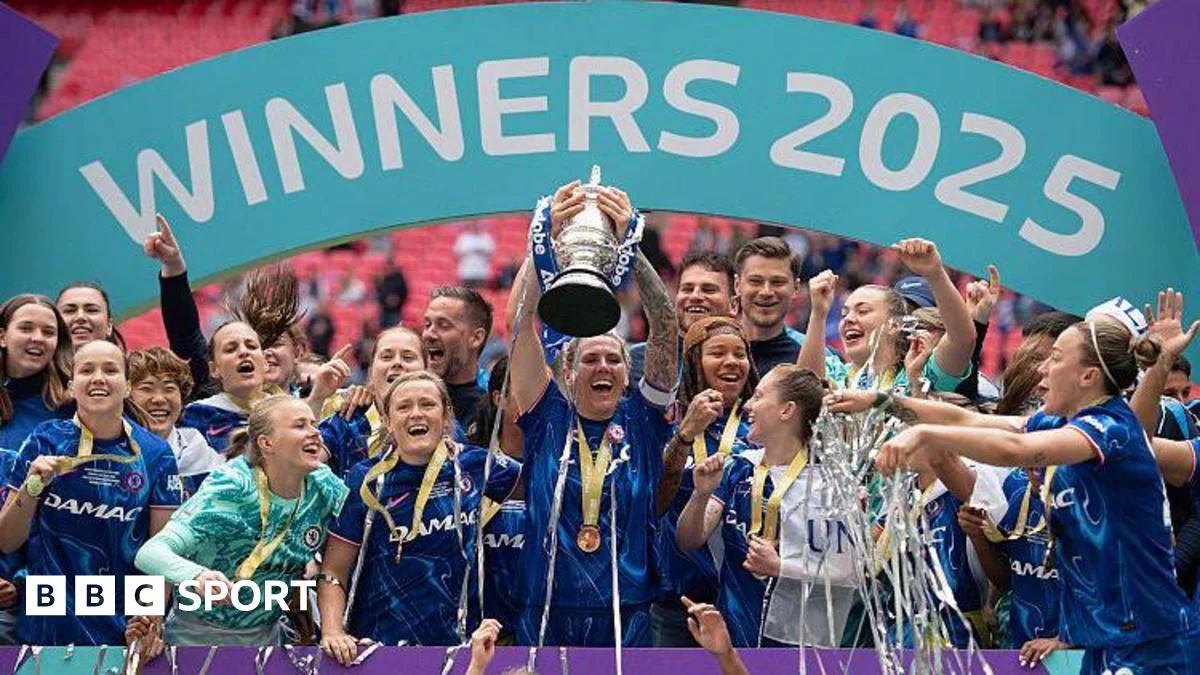
The 'Magic of the Cup' Debate
A central theme in the opposition to the proposed reforms is the preservation of the Women's FA Cup's traditional allure. For many, the competition's charm lies in its unpredictability.
Unpredictability Factor: The open draw, where lower-ranked teams can face and potentially defeat top-tier opposition, is seen as a vital component of the FA Cup's identity. Examples include fourth-tier Chatham Town reaching the fifth round and preparing to face second-division Birmingham City in the current season.
"Elite Bias" Fears: Critics argue that seeding and bracket-style draws would create a more predictable, "elite-focused" competition, potentially diminishing the excitement and romance associated with the cup. This contrasts with the existing structure, which features preliminary and qualifying rounds for lower-league teams, with National League and WSL teams entering at later stages.
Divergent Views on Evolution: While many believe the Women's FA Cup needs to evolve, the nature of that evolution is clearly a point of contention. The FA's proposals represent one vision for the future, while a significant portion of the football community favors a different path that retains more of the competition's historical character.
Implications for the Women's Game
The delay in implementing the FA Cup reforms highlights a critical juncture for women's football in England. It underscores the growing importance of fan and club engagement in shaping the sport's development.
Read More: Manchester United Women Win Champions League Playoff Against Atletico Madrid on Feb 19 2026
Stakeholder Voice: The strong reaction demonstrates the increasing influence of clubs, players, and fans in decision-making processes within women's football.
Balancing Development and Tradition: The situation presents a challenge for the FA in balancing the desire to modernize and potentially increase the commercial appeal of competitions with the need to respect and preserve the established traditions that have built a passionate following.
League Cup Precedent: The recent revamp of the Women's League Cup, with its name change and new format, indicates a broader trend of structural changes being considered across women's football competitions. The FA Cup's delayed reform might influence how future proposals are developed and communicated.
Conclusion
The proposed changes to the Women's FA Cup have been temporarily halted following substantial criticism from various corners of the sport. The FA's decision to extend its consultation period indicates an acknowledgment of the significant concerns raised, particularly regarding the potential impact on the competition's traditional appeal and the opportunities for lower-league clubs. While the core ideas behind the reforms may still be on the table, the immediate future of the Women's FA Cup format remains uncertain. This period of extended dialogue will be crucial in determining whether a compromise can be found that satisfies the desire for evolution while preserving the "magic of the cup" that resonates with so many. The FA's next steps, following this period of further consultation, will be closely watched as a barometer for how developmental changes are approached in the women's game.
Sources Used
BBC Sport: Reported on the postponement of the FA Cup revamp, citing "ridiculous idea" criticism and detailing the original proposals.
The Guardian: Revealed the plans were on hold due to pushback and highlighted the desire for more time to review options, emphasizing widespread agreement on the need for further consideration.
https://www.theguardian.com/football/2026/feb/19/womens-fa-cup-plans-on-hold-pushback-from-clubs-players-and-fans
https://www.theguardian.com/football/2026/feb/03/womens-fa-cup-seeded-teams-no-draw-after-last-32-proposals
WomensFootballTalk (Substack): Discussed why the shake-up could ruin the "magic of the cup" image and previewed the fifth round matches.
https://womensfootballtalk.substack.com/p/why-a-proposed-shake-up-of-the-womens
The Times: Reported on the FA being set for a "battle" with clubs over the controversial revamp, outlining the proposed changes.
https://www.thetimes.com/sport/football/womens-football/article/fa-set-for-battle-with-clubs-over-controversial-womens-fa-cup-revamp-qb0gg56zh?msockid=2df6931b6f7a62e62bf4841e6e016345
News Directory 3: Covered fan fears of "elite" bias and loss of magic, detailing the proposed format changes including seeding and a bracket-style draw.
https://www.newsdirectory3.com/fa-cup-format-change-fans-fear-elite-bias-loss-of-magic-in-womens-game/
The Athletic: Explained the proposed reforms, including seeding, a World Cup-style bracket, and potential lower league exclusion.
https://www.nytimes.com/athletic/7017773/2026/02/03/womens-fa-cup-reforms-explained/
Welsh Wave: Posed the question of whether the revamp would destroy the cup's magic and summarized the sparked backlash.
https://welshwave.co.uk/168483763/will-the-women-s-fa-cup-revamp-destroy-its-magic/