Two pilots are dead and 41 people injured following a jarring collision between an Air Canada Express plane and a fire truck on a runway at New York's LaGuardia Airport late Sunday night.
The central point of inquiry appears to be conflicting clearances issued by air traffic control, with investigators noting that both the fire truck and the plane were simultaneously cleared onto Runway 4. This has led to two air traffic controllers reportedly being placed on administrative leave. The truck, reportedly responding to a separate odor report on another flight, was not equipped with a transponder, a device that would have allowed runway safety systems to track its presence and issue alerts.

Air Traffic Control at the Forefront
Audio recordings from air traffic control indicate the fire-rescue vehicle was initially cleared to cross the runway before being told to stop. Some sources suggest that the same air traffic controller may have been handling both local and ground control functions, a situation that typically requires coordination between distinct entities.
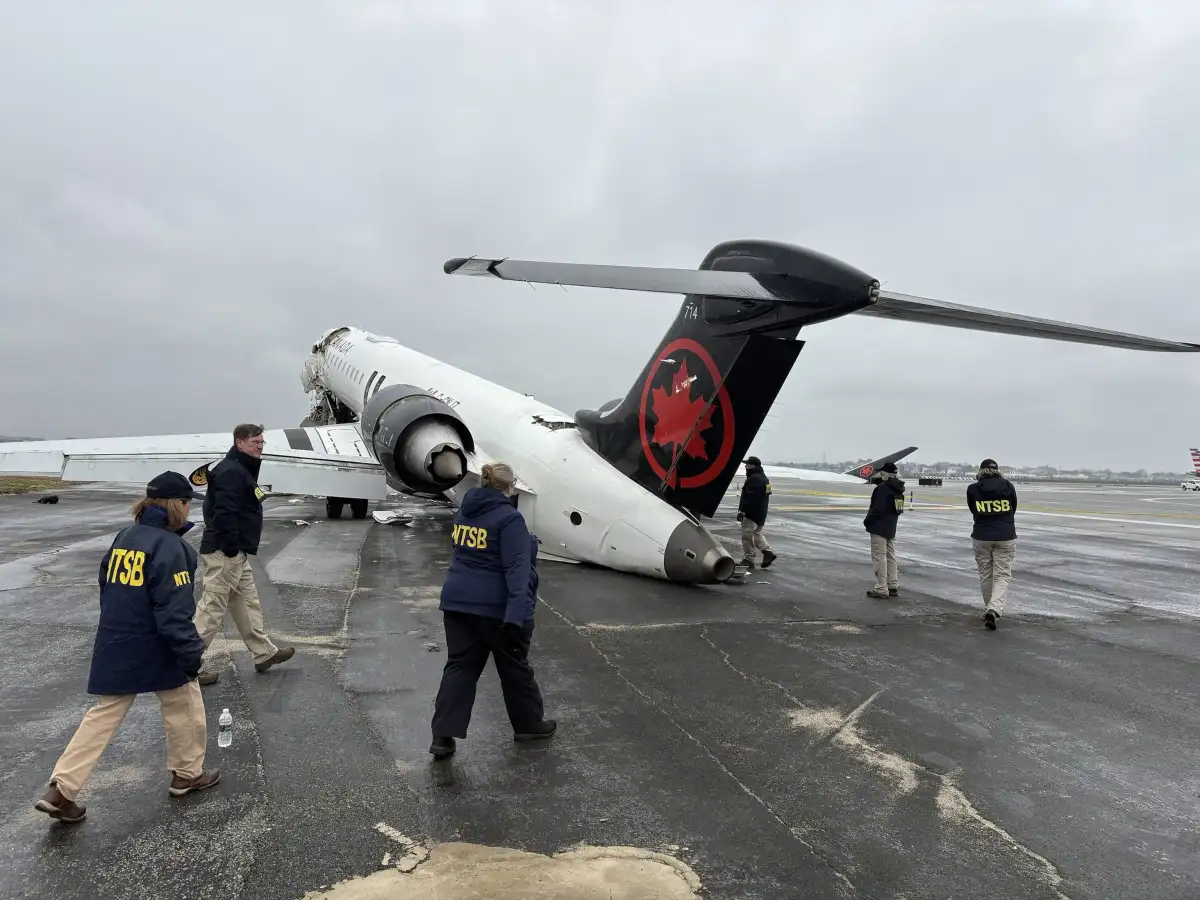
"The fire truck was not equipped with a transponder that would show the control tower its location and activate a runway warning system."
Retired air traffic controllers and aviation lawyers have voiced strong opinions regarding the events. One retired controller suggested the air traffic controller on duty "went brain-dead," citing apparent confusion between control tower and ground control operations. Aviation lawyers posit that both the air traffic controller and the truck's driver share responsibility for the fatal incident. Passengers are reportedly considering legal action against both the Port Authority and the FAA.
Read More: Fresno Airport $85 Million Funding Boost Improves Travel in April 2026
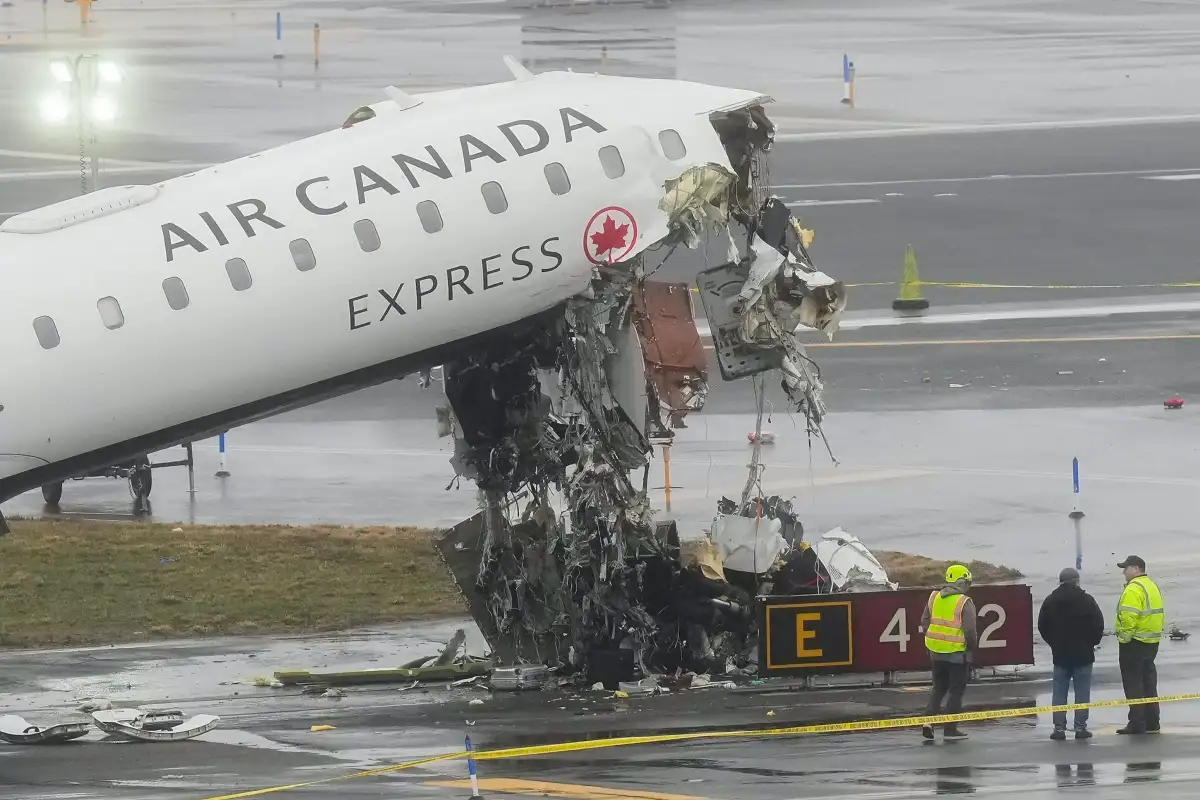
Systemic Failures and Missing Information
The National Transportation Safety Board (NTSB) has confirmed that a ground radar system, designed to provide alerts before such collisions, failed to do so. This failure is directly attributed to the fire truck's lack of a transponder. The NTSB is analyzing cockpit voice recorders to determine if the pilots had any time to react to the presence of the fire truck.
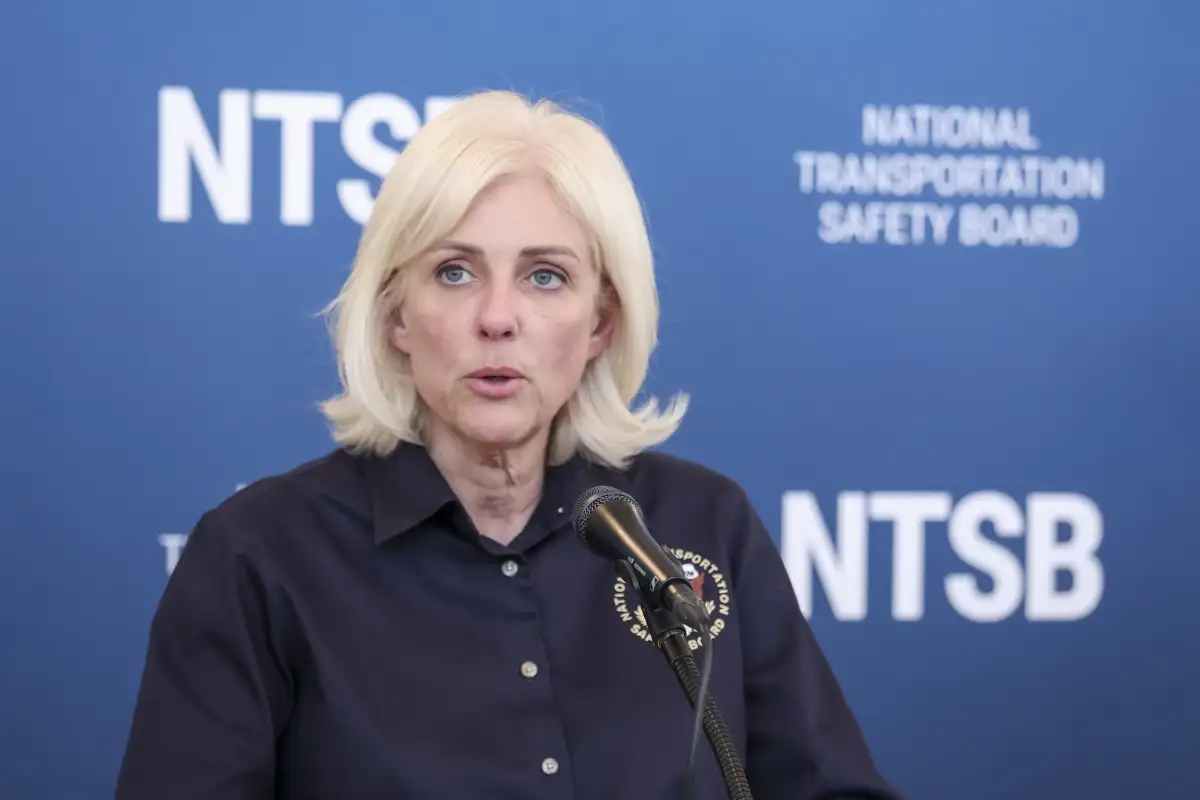
"The reason it did not alert is because the fire truck was not equipped with a transponder, so the system was unable to track it, the NTSB said."
Background of the Incident
The collision occurred around 11:40 PM local time on Sunday, shortly after the Air Canada Express flight from Montreal had landed. While 31 of the 41 injured individuals were later discharged from the hospital, some sustained serious injuries. The two deceased pilots have been identified, though their names have not been widely released in initial reports. LaGuardia is described as an "extremely busy" airport, with ground controllers responsible for managing traffic on the tarmac, including emergency vehicles.
Read More: Taylor Swift and Travis Kelce married at Madison Square Garden July 6
:max_bytes(150000):strip_icc():focal(799x0:801x2)/nyc-sky-taylor-swift-travis-kelce-wedding-070326-2dc0d912004b400eac2c8c8b5adeff2a.jpg)

:max_bytes(150000):strip_icc()/GettyImages-186597754-5299e3e5f6b34731bde30b83ba436316.jpg)